

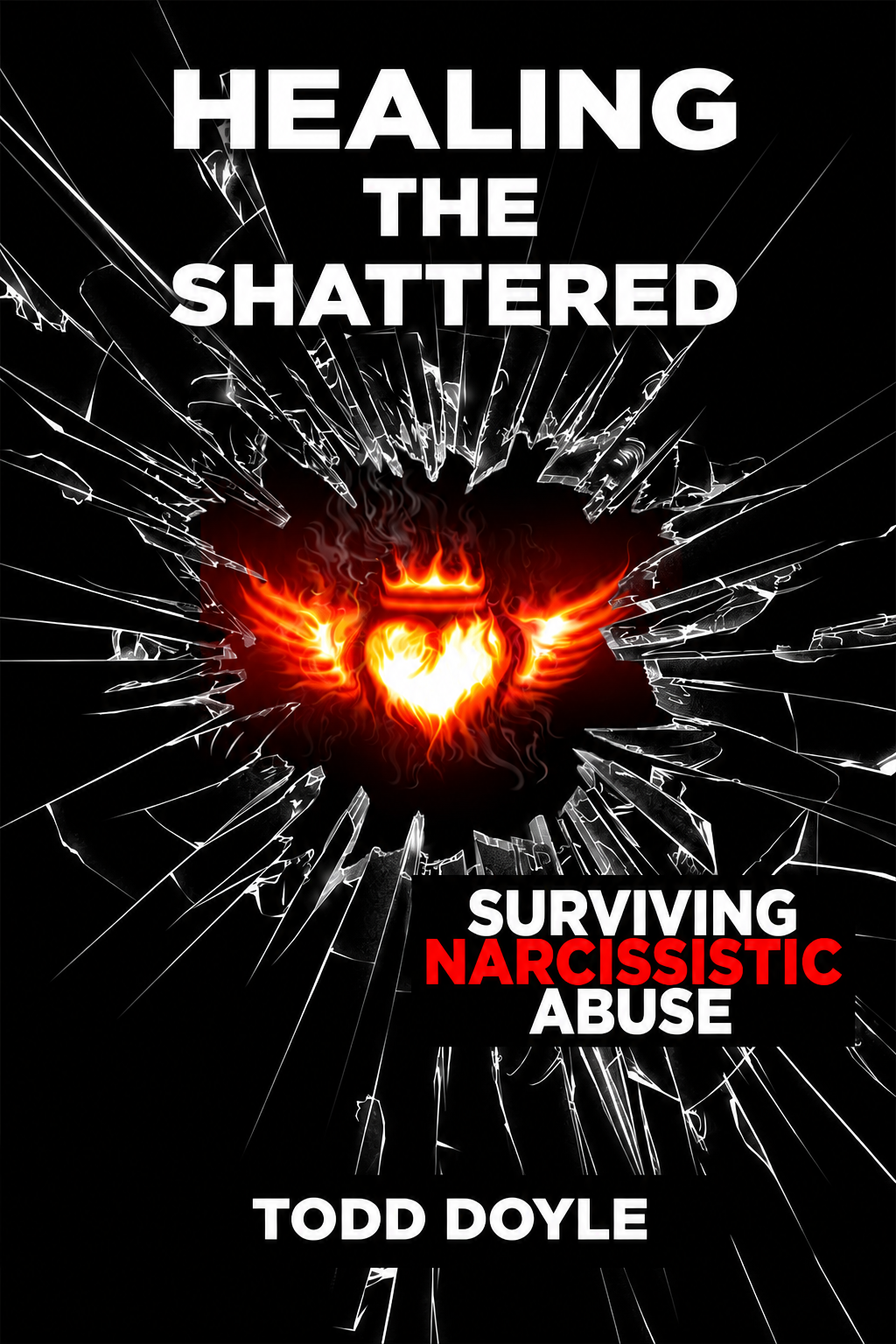
By Todd Doyle, author of Healing the Shattered: Surviving Narcissistic Abuse
Controlling relationships rarely take someone’s identity all at once. It narrows gradually, opinions softened to avoid conflict, interests set aside because they weren’t shared, routines rebuilt around someone else’s preferences, until a person can look up years later and not quite recognize their own daily life.
How the Narrowing Happens
It’s rarely one dramatic moment. It’s small accommodations made repeatedly, agreeing rather than risking an argument, dropping a hobby rather than defending its value, deferring a decision rather than stating a preference. Each one is small on its own. Together, over time, they add up to a life organized around someone else’s comfort rather than your own.
What Gets Narrowed First
The earliest changes are often the ones that seem most reasonable in isolation: skipping a hobby night because it caused friction, softening an opinion to avoid an argument that wasn’t worth having, checking in before making a plan that used to be yours alone to make. None of these look alarming individually. It’s the accumulation, and the fact that it only ever moves in one direction, toward less of you and more of them, that makes the pattern visible in hindsight.
Reconnecting Is Deliberate, Not Automatic
Identity doesn’t simply snap back once the relationship ends. It tends to require deliberately revisiting what was set aside:
- Noticing when you’re still filtering a decision through “what would they think,” even when they’re no longer the one asking
- Giving yourself permission to have preferences again, starting with low-stakes ones: what to watch, eat, or do with a free afternoon
- Revisiting an interest you set aside, without pressure to turn it into anything
- Noticing disagreement without panic, practicing the simple fact that having a different opinion doesn’t require a fight
- Asking people who knew you before what they remember you being like, as a starting point if your own memory of “who you were” feels hazy
This process is sometimes described as a series of Mini-Awakenings, small moments of realization that deepen your own understanding of what happened and who you actually are underneath it, rather than one single turning point. There’s no fixed timeline for how long it takes, and no wrong order to go through it in.
When It’s Hard to Remember Who You Were
If the relationship was long, or started young, it’s common to feel like there isn’t a clear “before” to return to, that the narrowed version has simply always been you. In that case, reconnecting with identity looks less like recovering something and more like building something new, with the same low-stakes, deliberate practice, just without a specific earlier version to measure against. That’s a legitimate starting point too, not a harder or lesser version of the process.
For the broader recovery picture, see Healing After Narcissistic Abuse: A Practical Recovery Guide.



 Buy Paperback on Amazon
 Buy Signed Copy • PayPal