

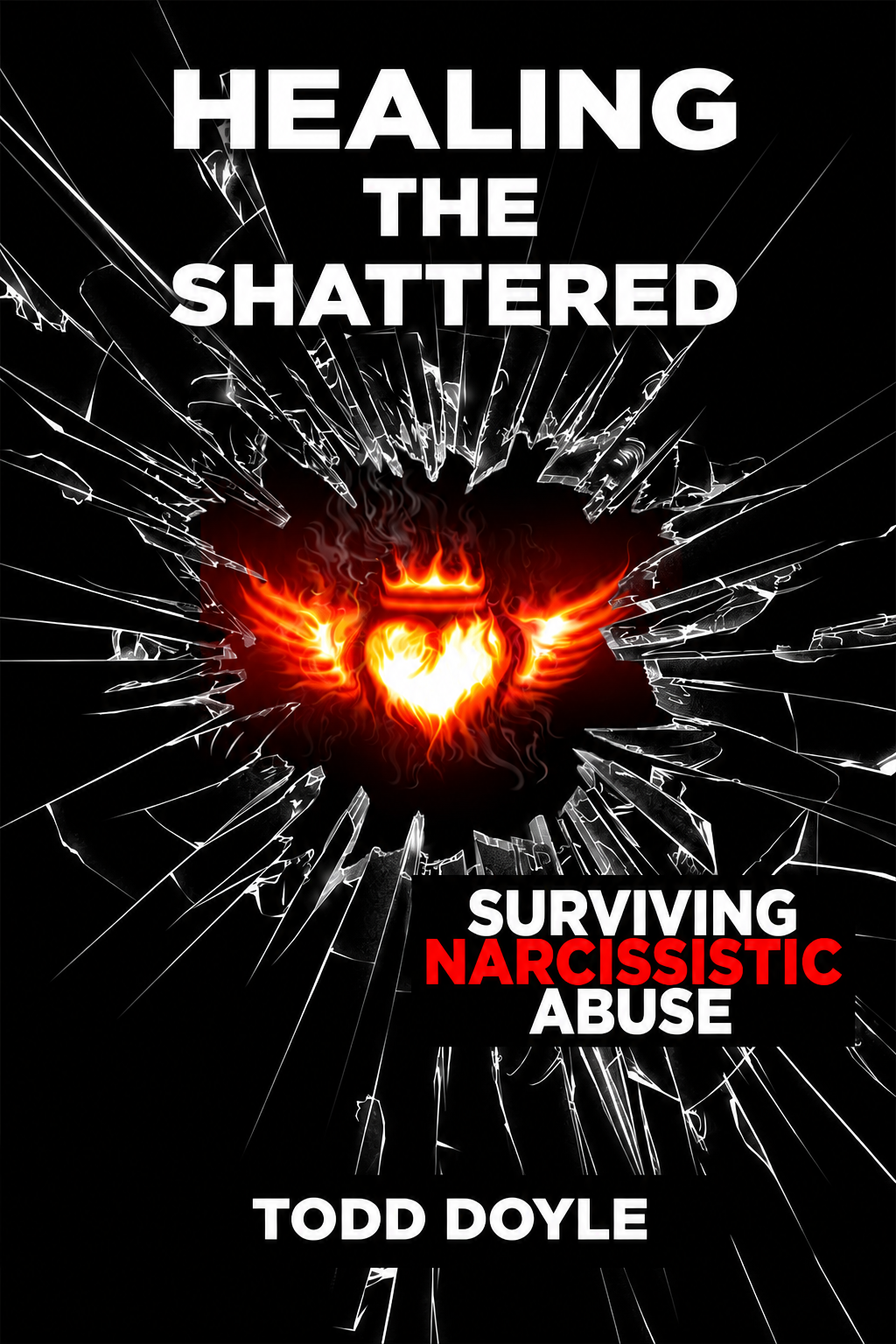
By Todd Doyle, author of Healing the Shattered: Surviving Narcissistic Abuse
If you’re attached to someone with narcissistic traits, or Narcissistic Personality Disorder specifically, in a way that doesn’t match how they actually treat you, that mismatch isn’t a sign your feelings are irrational. It’s a common, explainable pattern, and understanding why it happens tends to help more than trying to will the attachment away.
Why the Attachment Can Feel So Strong
Emotional attachment is a normal, healthy part of close relationships, a sense of security and connection built over shared time and experience. In a relationship involving narcissistic traits, that same attachment system can get hijacked by patterns that make it unusually hard to let go of: unpredictable warmth mixed with criticism or coldness, moments of being made to feel deeply special followed by periods of neglect, and a partner who, when things are good, can seem genuinely attentive and engaged. The attachment is real. It’s just formed under conditions that make it unusually difficult to walk away from, even when the relationship is clearly causing harm.
What This Can Look Like
A common and confusing experience: knowing clearly, intellectually, that the relationship isn’t healthy, while still feeling pulled toward the other person, missing them, hoping for reconciliation, or minimizing how bad things got. This isn’t a contradiction. The attachment system and the part of you that can see the pattern clearly are responding to different things, and they don’t always agree.
Why Difficulty With Empathy Makes This Harder, Not Easier
A core feature of NPD, and of narcissistic traits more broadly, is difficulty genuinely empathizing with a partner’s needs and experience. Counterintuitively, this often makes the attachment stronger for the other person, not weaker, because moments of apparent care or attentiveness feel earned and rare rather than reliably available, which, per the research on intermittent reinforcement, is exactly the pattern that produces the strongest, most persistent attachment.
What Can Help
Naming the pattern specifically, rather than treating the pull as evidence the relationship is actually fine, is often the first useful step. A therapist familiar with narcissistic abuse and attachment can help you work through the gap between what you know and what you feel, which tends to close more with outside support than with willpower alone. See Trauma Bonding: Understanding Attachment in an Abusive Relationship and Intermittent Reinforcement in Relationships for more on the specific mechanisms behind this.
This article provides general education and a survivor’s perspective. It does not diagnose another person or replace individualized mental health care.



 Buy Paperback on Amazon
 Buy Signed Copy • PayPal