

By Todd Doyle, author of Healing the Shattered: Surviving Narcissistic Abuse
Manipulation is how a narcissistic abuser maintains control: by shaping what you believe, how you feel, and what you think you owe them. It rarely looks like a single dramatic moment. More often it is a set of recurring tactics, used separately or together, that gradually shift what feels normal in the relationship.
This guide gives you an overview of the most common tactics. Several have their own dedicated article with more detail and examples; the links below take you there.
Manipulating Your Reality
Gaslighting is the tactic most people have heard of: making you doubt your own memory, perception, or judgment through denial, contradiction, or outright lying about things that happened. See The Gaslighting Associated with Narcissistic Abuse for examples and how it differs from an honest disagreement.
Triangulation brings a third person into the dynamic, an ex, a friend, a stranger, to create jealousy, competition, or self-doubt. See The Triangulation Associated with Narcissistic Abuse.
Blame shifting redirects responsibility for the abuser’s own behavior back onto you. See The Blame Shifting Associated with Narcissistic Abuse.
Manipulating Your Emotions
Love bombing uses overwhelming affection and attention, often early in a relationship or right after a conflict, to create a powerful emotional pull. See Love Bombing with Narcissistic Abuse.
Guilt-tripping makes you feel responsible for the abuser’s own emotions or choices, through statements like “You’re the reason I’m upset” or “If you really loved me, you would do this.” The goal is to make their reaction your responsibility to fix.
Emotional blackmail raises the stakes further: a threat, to harm themselves, to damage your reputation, to withhold something you need, made to force a specific response. This tactic can escalate toward real danger and deserves the same safety-first approach as any threat.
What These Tactics Have in Common
Each of these works by making your own perception, emotions, or sense of responsibility the thing that keeps you compliant, rather than requiring ongoing force. That is part of why manipulation can be hard to name in the moment: it often feels like a personal failing, being “too sensitive,” “too suspicious,” “too much”, rather than a pattern being done to you.
Recognizing a tactic by name does not require proving the other person’s diagnosis or intent. It is enough to notice the pattern and its effect on you.
Possible Effects
Repeated exposure to these tactics can contribute to low self-esteem, difficulty trusting your own perceptions, trouble setting boundaries, a persistent need for approval, isolation, and anxiety or depression. Not everyone experiences all of these, and their presence does not mean something is permanently wrong with you. It means the pattern had a real effect, and that effect can be addressed.
What Can Help
A therapist or counselor experienced with abusive relationships can help you separate what happened from how you have come to see yourself. Trusted friends, family, or a support group can reduce the isolation that manipulation tactics often rely on. If a threat involves real danger to you or someone else, the National Domestic Violence Hotline (800-799-SAFE, or text START to 88788) offers confidential safety planning.
This article provides general education and a survivor’s perspective. It does not diagnose another person or replace individualized mental health care or safety planning.
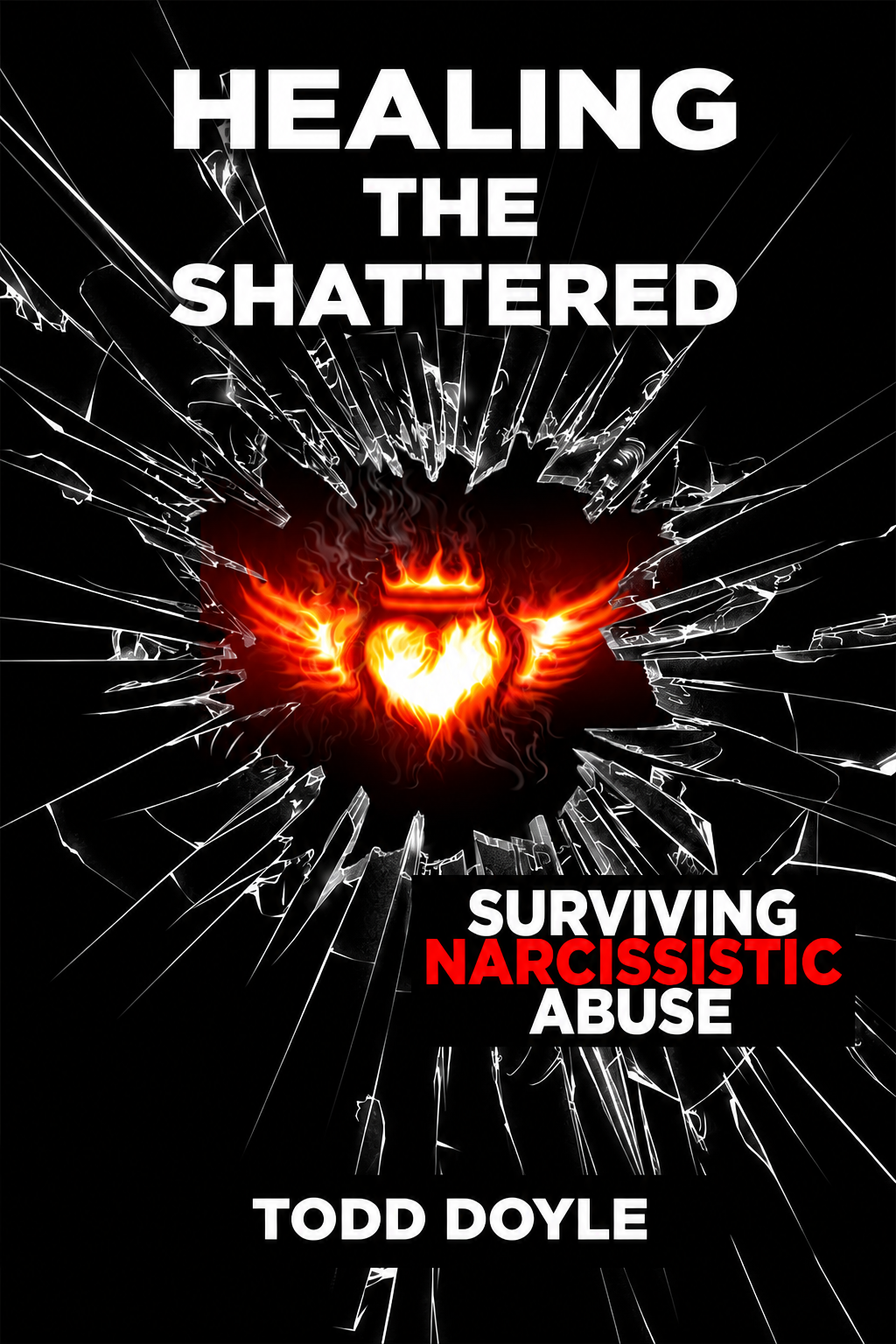



 Buy Paperback on Amazon
 Buy Signed Copy • PayPal