

By Todd Doyle, author of Healing the Shattered: Surviving Narcissistic Abuse
Ending contact with an ex doesn’t always end the contact. Messages can keep arriving through a shared friend, an in-law, or a family member who insists they’re just passing along something “you should know.” Whether or not that person means well, the effect is the same: your boundary gets routed around instead of respected.
This article looks at how to set a boundary with the messenger, not just the original source.
Why this pattern is common
Direct contact is easy to block, decline, or document. A relative or mutual friend relaying messages is harder to refuse outright, especially if that person is someone you still want a relationship with. This makes intermediaries a workaround that some exes use deliberately, and a role some relatives fall into without fully realizing the effect it has.
Either way, the result is the same: information, guilt, or pressure continues to reach you through a side door after you’ve closed the front one.
Common versions of this pattern
- “He just wants you to know he’s struggling since you left.”
- “She asked me to tell you she’s sorry and wants to talk.”
- Updates about the ex’s life that you didn’t ask for and don’t want.
- Being asked to reconsider contact “for the family’s sake.”
Even sympathetic messages from a relative can function as pressure, because they keep the door technically open when you’ve chosen to close it.
Setting the boundary with the messenger
The boundary here is usually about what you will do with messages relayed to you, not a demand that the relative cut off the other person entirely. “I don’t want updates about them, and I’m not going to respond to messages passed through you” describes your own response, which you control, rather than requiring the relative to change who they talk to.
A direct, low-drama version: “I know you care about both of us, but I’m asking you not to relay messages between us. If something urgent comes up, I’ll handle it directly.” Said once, calmly, and then repeated briefly if needed—without a lengthy justification each time.
If the relative keeps relaying messages anyway
Some people will continue despite being asked, either because they don’t take the boundary seriously or because they’re genuinely caught in the middle. At that point, the boundary can extend to how much you share with that relative going forward, or how you respond when it happens—for example, not engaging with the content of the message at all, simply noting that you asked this not to continue.
This is a different situation from a relative who is being pressured or threatened into passing messages. If that’s happening, the concern is less about your boundary and more about that person’s own safety, which may need its own conversation or outside support.
Common questions
What if the relative says they’re just trying to help?
Good intentions don’t change the effect. You can acknowledge the intention and still ask them to stop: “I know you mean well, and I still need you not to do this.”
Should I explain why I don’t want contact?
You’re not obligated to justify a no-contact decision repeatedly to someone outside the relationship. A brief explanation once is reasonable; an ongoing debate about your reasons usually isn’t necessary.
What if this relative is someone I still need a relationship with, like a co-parent’s family member?
In those cases, keeping communication narrowly focused on necessary logistics—similar to the approach described in Co-Parenting with a Narcissist: The Gray Rock Method and Scripts That Work—can help you maintain the relationship you need without reopening contact with your ex.
Closing the side door
A boundary that only covers direct contact can still be undermined by an indirect route, and family relationships make that route easy to find. Naming it, calmly and once, is usually enough to make it visible to everyone involved — including the relative who may not have realized what role they’d slipped into.
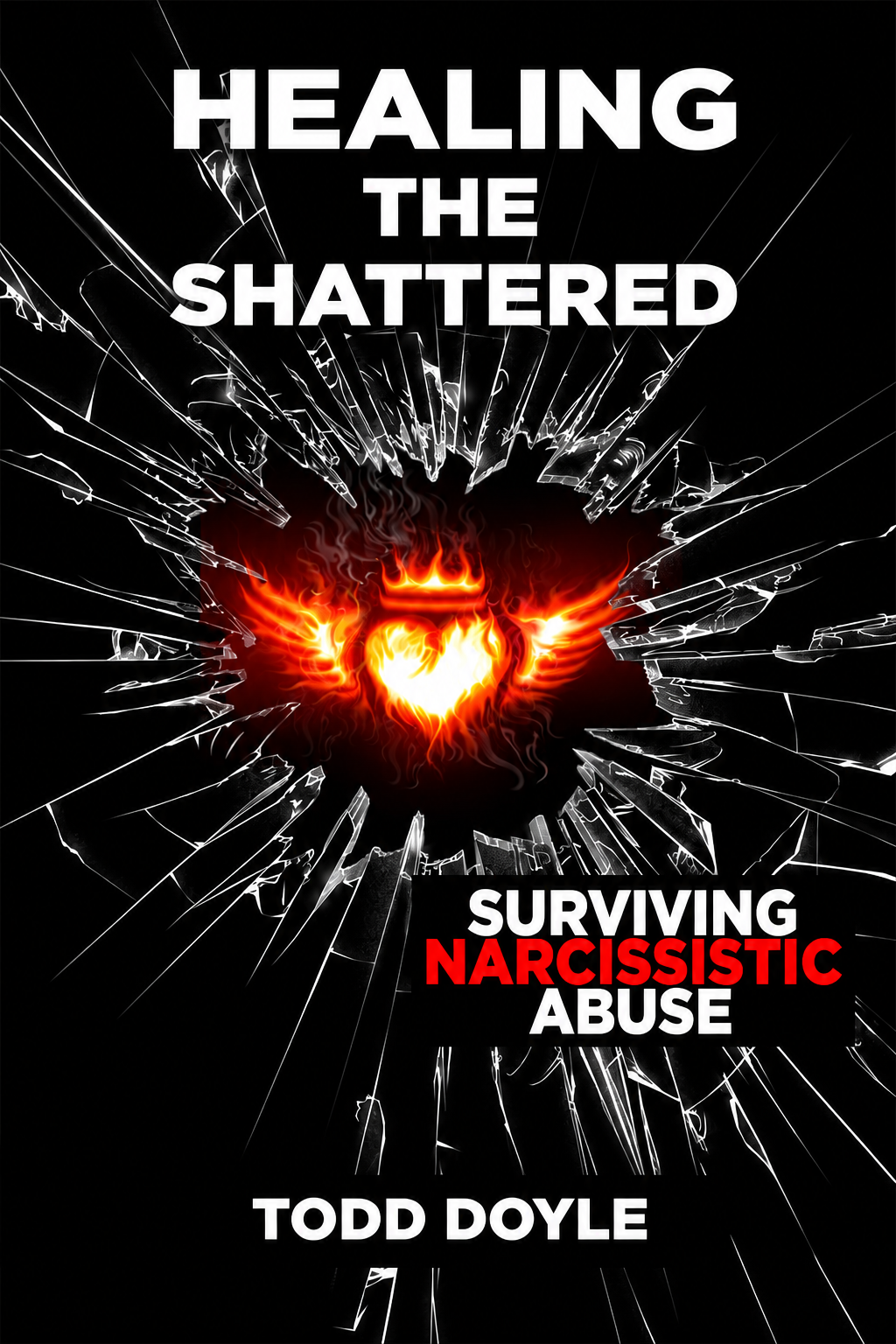
I write more about holding firm limits without losing the relationships you actually want to keep in Healing the Shattered: Surviving Narcissistic Abuse, which pairs my own survivor story with DSM-5 coverage of narcissistic personality disorder. It’s available as an Amazon paperback, or directly from me as a signed copy.
This article is general education, written from a survivor’s perspective rather than a clinical one. It doesn’t diagnose anyone and isn’t a substitute for individual guidance from a therapist or advocate.

 Buy Paperback on Amazon
 Buy Signed Copy • PayPal