

If you’ve ever found yourself rehearsing an explanation before you’ve even done anything wrong, you already know the particular exhaustion this article is about. It’s the tiredness that comes not from conflict itself, but from the constant, low-level work of accounting for yourself — your time, your tone, your intentions, your whereabouts — to someone who always seems to need just a little more.
Why Explaining Yourself Starts to Feel Like a Full-Time Job
In a healthy relationship, explanations are occasional and mutual. You explain because something genuinely needs clarifying, and your partner does the same for you. The exhaustion a lot of survivors describe comes from a different pattern: explanations that are constant, one-directional, and never quite sufficient. You clarify, and the clarification itself becomes the next thing to interrogate. You answer one question and a new one appears in its place.
This pattern is sometimes described as a justification loop. It isn’t about honesty — you can be completely truthful and still find your words picked apart, replayed back to you differently than you said them, or quietly stored away as evidence for a future argument. Over time, many people in this position start pre-explaining before anything is even asked, because the cost of being caught off guard feels higher than the cost of constant self-monitoring.
A Survivor Reflection
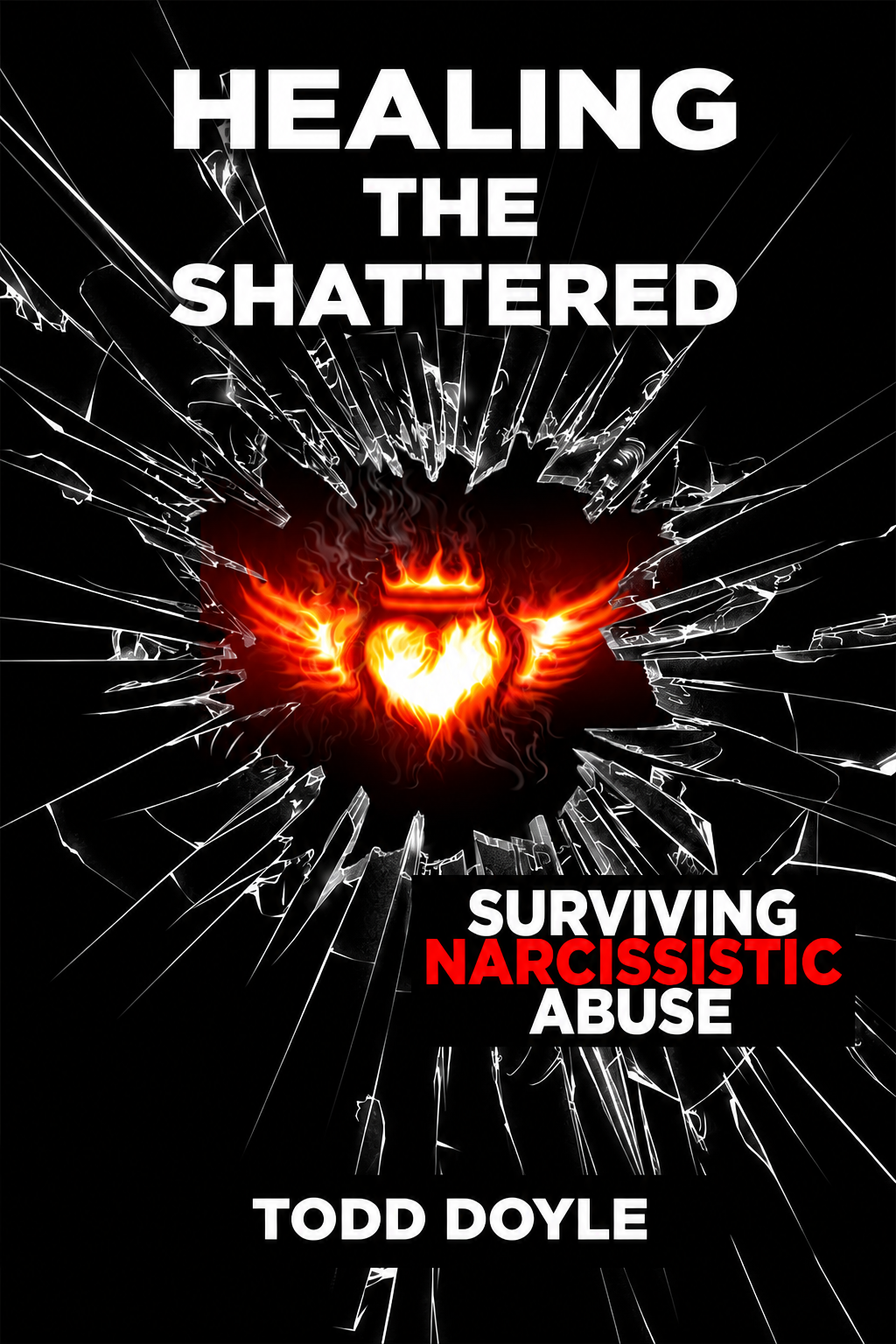
I remember a stretch of time when I’d rehearse a two-minute errand before I left the house — not because I’d done anything wrong, but because I knew I’d need an answer ready the moment I walked back in. Where I went, how long it took, why it took that long. None of it was really about the errand. It was about staying one step ahead of a conversation I couldn’t predict but somehow always had to be ready for. I didn’t call it exhausting at the time. I just called it normal. It wasn’t until much later, writing about it in Healing the Shattered, that I had language for what that constant readiness had actually cost me.
Why “Just Tell the Truth” Doesn’t Fix It
A common piece of well-meaning advice is to simply be more transparent — share your location, answer faster, volunteer more detail up front. In a healthy relationship, that kind of openness closes a conversation. In the pattern this article is describing, it often doesn’t. The problem was never a shortage of information. More detail just gives the other person more material to question, and the goalposts move again.
This is part of why the exhaustion is so disorienting. You’re doing everything “right” — you’re honest, you’re responsive, you’re patient — and the tiredness doesn’t lift. If anything, it can get worse, because now you’re also managing the quiet confusion of not understanding why your own good behavior isn’t working the way it’s supposed to.
What This Pattern Can Look Like
This shows up differently for different people, but a few shapes come up often:
- Pre-explaining plans before anyone has asked for a reason.
- Feeling a spike of dread at a simple “where were you?” even when the answer is completely ordinary.
- Noticing that a past explanation gets brought back up, reworded, or used against you later.
- Feeling like no answer is ever quite enough to close the conversation.
- A sense of relief, rather than closeness, when an explanation is finally accepted.
None of this is a diagnosis of anyone involved, and it isn’t a checklist for labeling a relationship. It’s simply a description that a lot of survivors recognize once they see it written down.
How This Connects to the Bigger Pattern
Constantly explaining yourself rarely happens in isolation. It tends to sit alongside other small, accumulating dynamics — being asked to account for time spent with friends, feeling like your phone is a source of tension, or noticing that disagreements almost always end with you apologizing, even when you’re not sure what for. On its own, any single moment can seem minor, even reasonable. It’s the accumulation, not any one incident, that tends to explain the exhaustion. If you want a wider view of how these smaller patterns fit together, our guide to narcissistic abuse patterns and effects walks through the bigger picture, and this article on “the fog” describes the related confusion that often follows.
It’s also worth naming what this pattern is not. Ordinary curiosity isn’t the same as this. A partner asking how your day went, or checking in because they were worried, isn’t the dynamic described here. The difference is usually in how an explanation lands: does it close the conversation and lead to trust, or does it open the door to a new round of questioning? That difference is often easier to feel than to describe, and it’s one of the things a lot of survivors say they second-guessed the longest.
A Realistic Next Step
If this sounds familiar, you don’t have to immediately relabel your relationship or confront anyone to start making sense of it. A smaller, realistic first step is simply naming it to yourself, privately, in writing — what you explained, why you felt you had to, and whether the explanation was ever really about the thing itself. That record isn’t for anyone else. It’s so you can start noticing the pattern instead of just living inside it.
If the exhaustion is constant and it’s affecting your sense of safety, a licensed therapist or a domestic violence advocate can help you look at the specifics of your own situation — something no article, including this one, can safely do for you.
Giving Yourself Permission to Stop Over-Explaining
One of the harder shifts I had to make was accepting that I was allowed to give a short, true answer and leave it there — without padding it with extra detail meant to head off a follow-up question that might never come. Over-explaining had become a habit built out of self-protection, and unlearning it took longer than I expected. If this is something you’re working on too, it can help to practice it in low-stakes situations first — with a friend, a coworker, anyone where the stakes of a short answer are genuinely low — before trying it in the relationship where the habit formed.
That’s not a cure-all, and it won’t change a dynamic that depends on you staying anxious and available. But it is something you have some control over, on days when very little else feels like it’s in your hands.
What Changes First, Once You Start Noticing
You probably won’t stop over-explaining overnight, and that’s normal. The first real shift usually isn’t in what you say out loud — it’s in the half-second pause before you answer, where you notice yourself about to over-explain and catch it instead. That pause is worth paying attention to. It’s early evidence that the habit is becoming visible to you instead of running on autopilot, and visibility is what eventually makes a different choice possible.
A second, quieter change a lot of survivors describe is starting to notice the physical signs before the mental ones — a tight chest walking up to the door, a script running before a simple question is even asked. Naming that sensation in the moment, even just to yourself, can loosen its grip a little. It doesn’t make the anxiety disappear, but it stops it from feeling like an unexplainable mystery, which is its own kind of relief.
None of this moves in a straight line. Some days the old habit will win, and you’ll find yourself rehearsing an answer to a question nobody asked. That’s not a failure of progress — it’s what unlearning a survival skill actually looks like in practice, and it doesn’t erase the ground you’ve already covered.
You’re Not Imagining the Tiredness
The exhaustion of constantly explaining yourself is real, even when every individual explanation seems small. It adds up. Recognizing that the tiredness has a cause — and that the cause isn’t your own honesty — is often the first step toward setting it down. If any of this resonates, you’re not alone in it, and it’s part of what I wrote Healing the Shattered to put into words for other survivors who’ve carried the same exhaustion without a name for it. You can read more about the book and what it covers on the Healing the Shattered overview page.



 Buy Paperback on Amazon
 Buy Signed Copy • PayPal