

One of the more disorienting parts of narcissistic abuse can be watching other people – friends, family, sometimes your own relatives – defend, excuse, or minimize the behavior of the person causing harm. Understanding why this happens doesn’t make it hurt less, but it can help you stop taking it as proof that you’re wrong.
What “enabling” actually means here
An enabler, in this context, is someone who consistently makes it easier for harmful behavior to continue – through defending it, minimizing it, staying silent about it, or redirecting blame toward the person raising the concern. This isn’t necessarily a label for a bad person. Often it’s someone caught in their own complicated relationship with the same individual, managing their own fears, loyalties, or dependencies in ways that make honest acknowledgment feel too costly.
I want to be careful not to flatten this into a simple villain-and-accomplice story. People enable for a lot of different reasons, some more sympathetic than others, and understanding the reason doesn’t require excusing the effect it has on you.
Common reasons people enable, without excusing the impact
Fear is a common one – fear of conflict, fear of losing their own relationship with the person causing harm, sometimes fear of becoming a target themselves if they speak up. Dependency is another – financial, social, or practical reliance on the person can make honest acknowledgment feel genuinely risky, not just uncomfortable.
Some people enable because confronting the truth would require confronting their own history with the same person – a parent who enables one adult child’s behavior toward another may be avoiding decades of their own unexamined patterns. And some people simply haven’t witnessed enough of the behavior directly to update their picture of someone who presents very differently in public than they do in private.
Why their defense of the other person isn’t evidence against you
It’s easy to internalize an enabler’s defense of the person who hurt you as proof that your account must be exaggerated or wrong. It isn’t. Someone else’s reasons for minimizing a pattern – their own fear, dependency, or limited exposure – say something real about their situation, not about the accuracy of yours. You can hold both facts at once: this person has their own understandable reasons for what they’re doing, and your experience is still exactly as real as it was before they responded this way.
A fictional example
Imagine a mother who has relied on her adult son financially for years, and who consistently waves away his partner’s concerns about how he treats her, framing them as “just how he is” or “you knew that about him going in.” The mother isn’t necessarily lying to herself about what she’s witnessed – she may be avoiding a conclusion that would require her to risk the financial and emotional security she depends on from that relationship. Her defense of her son says something true about her own position. It doesn’t make the partner’s experience any less real.
Deciding how to handle an enabler in your own life
You generally have a few options, and none of them is universally correct: you can continue the relationship while adjusting your expectations about what this person can honestly engage with. You can limit what you share with them, protecting yourself from repeated invalidation while keeping some version of the relationship. Or, in some cases, you can step back from the relationship if their ongoing defense of harmful behavior becomes its own source of harm to you.
Whichever you choose, I’d encourage making the decision based on your own wellbeing rather than on a goal of eventually convincing this specific person. Some people won’t come around, no matter how clearly or how many times you explain the pattern – and continuing to invest energy in winning them over can become its own exhausting, unresolved project, separate from your actual recovery.
Where this leaves you
An enabler’s defense of someone who hurt you is information about that enabler’s own situation – their fears, dependencies, and limitations – not a referendum on whether your experience was real. You don’t need universal agreement to trust your own account. What you do need is at least some people in your life capable of hearing it clearly, and you’re allowed to invest your energy there instead of in relationships that consistently ask you to doubt yourself to keep the peace.
If you recognize yourself as the enabler instead
If reading this made you uncomfortable because you recognize your own pattern of defending or minimizing someone else’s harmful behavior, that discomfort is worth sitting with rather than dismissing. It’s genuinely hard to acknowledge harm from someone you depend on or love, and doing so may cost you something real. But the person affected by that harm is paying a cost too, every time their experience gets minimized to protect your own comfort or security – and that’s worth weighing honestly, even if there’s no easy resolution.
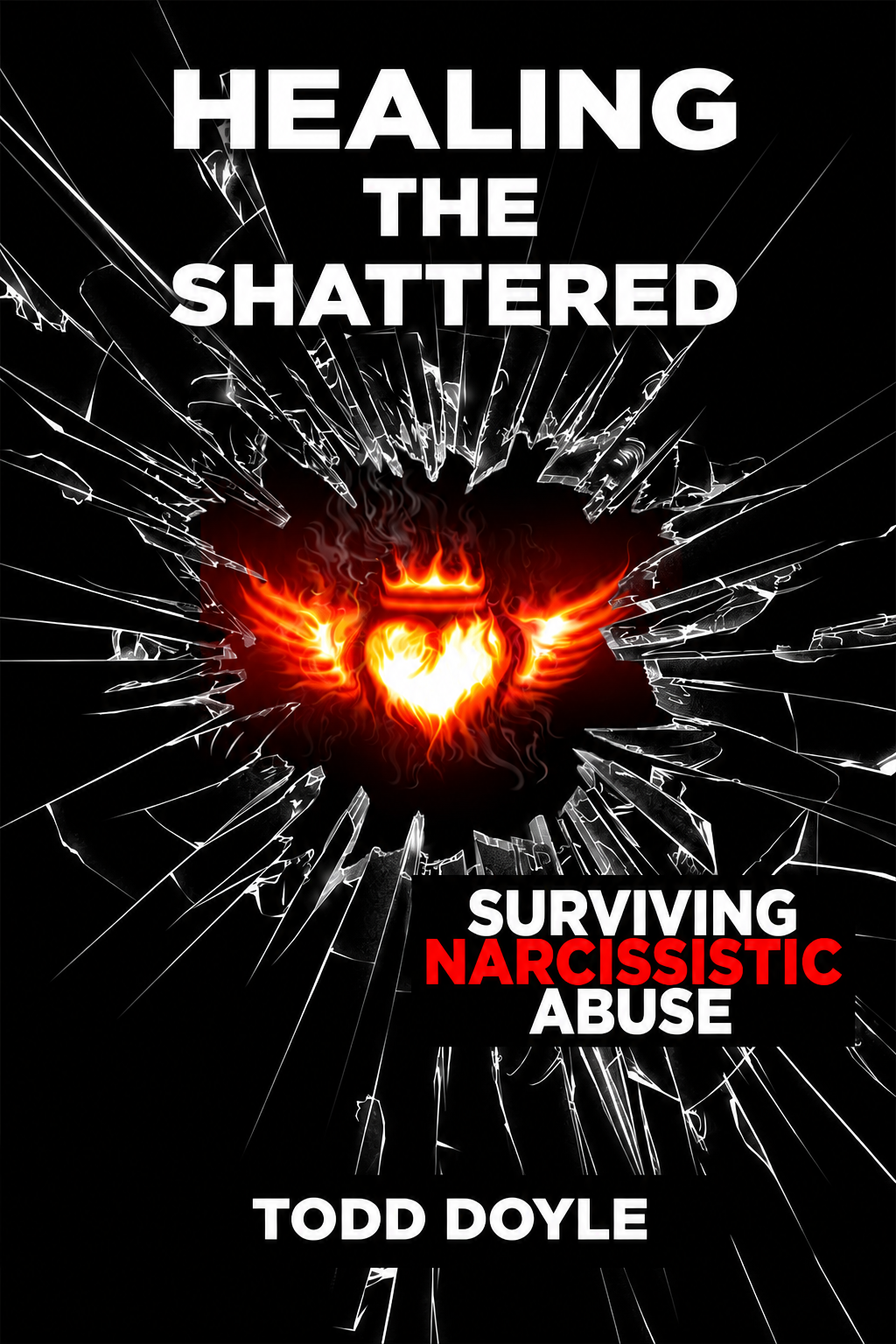


 Buy Paperback on Amazon
 Buy Signed Copy • PayPal