

By Todd Doyle, author of Healing the Shattered: Surviving Narcissistic Abuse
Narcissistic abuse describes a pattern of emotional abuse, manipulation, exploitation, and control, often carried out by someone with narcissistic traits, though those traits alone do not require a clinical diagnosis to take the pattern seriously. It is rarely one dramatic event. More often it is a gradual erosion: criticism, confusion, and control accumulating until what feels normal in the relationship has shifted substantially.
Common Tactics
A few tactics appear often enough to be worth naming specifically:
- Gaslighting, denying or distorting your reality until you doubt your own memory and judgment.
- Triangulation, bringing in a third person to create jealousy, doubt, or competition.
- Blame shifting, redirecting responsibility for the abuser’s behavior back onto you.
- Love bombing, intense early affection used to build a fast, powerful emotional bond.
See Manipulation in Abusive Relationships: A Guide to Recognizing the Tactics for a fuller breakdown of these and other tactics.
Possible Effects
Repeated exposure to these tactics can contribute to anxiety, depression, low self-esteem, difficulty trusting your own perceptions, trouble setting boundaries, and a persistent need for approval or validation. Not everyone experiences all of these, and their presence does not mean something is permanently wrong with you. It means the pattern had a real effect, and that effect can be addressed.
Why It Can Be Hard to Leave
Shared history, hope that things will change, practical dependence, and isolation from outside perspective can all make an abusive relationship feel harder to leave than it looks from the outside. This is a documented psychological pattern, not a personal failing. See Trauma Bonding: Understanding Attachment in an Abusive Relationship for more on why this attachment can feel so strong.
Getting Support
If you recognize this pattern in your own relationship, a few starting points: Setting Boundaries After Narcissistic Abuse covers how to identify a limit and decide what to do if it is crossed, and Healing After Narcissistic Abuse: A Practical Recovery Guide covers the recovery process once you are ready to focus on that. A therapist, trusted friend or family member, or domestic violence resource center can help regardless of where you are in that process. If you are in immediate danger, the National Domestic Violence Hotline (800-799-SAFE, or text START to 88788) offers confidential safety planning.
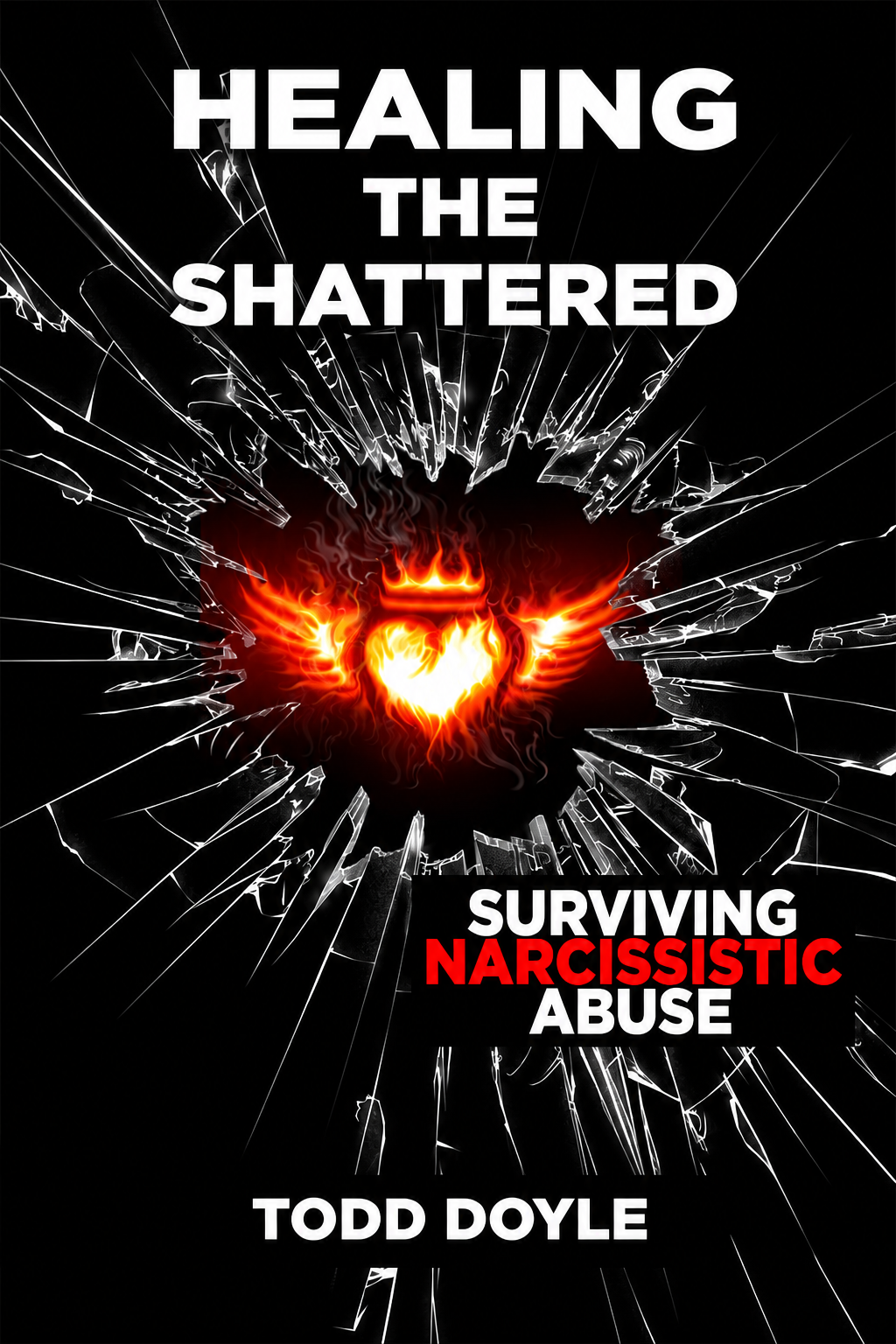
I wrote Healing the Shattered: Surviving Narcissistic Abuse from my own experience as a survivor, to give other survivors some of the same tools that helped me.
This article provides general education and a survivor’s perspective. It does not diagnose another person or replace individualized mental health care or safety planning.

 Buy Paperback on Amazon
 Buy Signed Copy • PayPal