
By Todd Doyle, author of Healing the Shattered: Surviving Narcissistic Abuse
Healing after narcissistic abuse is not a single event; it is an ongoing process, and it does not move in a straight line. Some days will feel like real progress. Others will feel like you are back where you started. Both are part of the same process, not evidence that it is not working.
This guide is an overview of the areas that tend to matter most. Several have their own dedicated article with more detail; the links below take you there.
Start With What Is True
The abuse was not your fault, and you deserve to be treated with respect. That is not a feel-good slogan; it is a starting point you may need to return to often, especially early on, when self-doubt and self-blame are common and understandable reactions to what happened.
Build Support
A trusted circle, friends, family, a therapist, or a support group, gives you people who can validate what you experienced and help you carry it. Professional support matters here: a therapist experienced in abusive relationships can help you process what happened and recognize patterns you might be too close to see on your own.
Practice Self-Care, Without Making It a New Obligation
Sleep, movement, food, time for things that bring you some relief or joy, these matter, but they are support for the real work, not a replacement for it, and not one more standard you need to meet perfectly. Journaling, exercise, and other healthy coping tools can help you process emotions as they come up, rather than suppressing them.
Set and Hold Boundaries
Reclaiming your own limits, with the person who hurt you and in other areas of your life, is part of rebuilding your sense of agency. See Setting Boundaries After Narcissistic Abuse: Practical Steps to Protect Yourself for how to identify a limit and decide what you will do if it is crossed.
Challenge the Thoughts the Abuse Left Behind
It is common to walk away from narcissistic abuse carrying thoughts that are not really yours: that you are not good enough, too sensitive, or somehow responsible for how you were treated. Noticing these thoughts and questioning them, ideally with a therapist’s help, is part of separating what happened to you from who you actually are.
Rebuild at Your Own Pace
There is no fixed timeline for this work, and a difficult day does not erase progress you have already made. Healing after narcissistic abuse is possible. It typically takes patience, support, and consistent small steps, not one decisive turning point.
This article provides general education and a survivor’s perspective. It does not diagnose another person or replace individualized mental health care or safety planning.
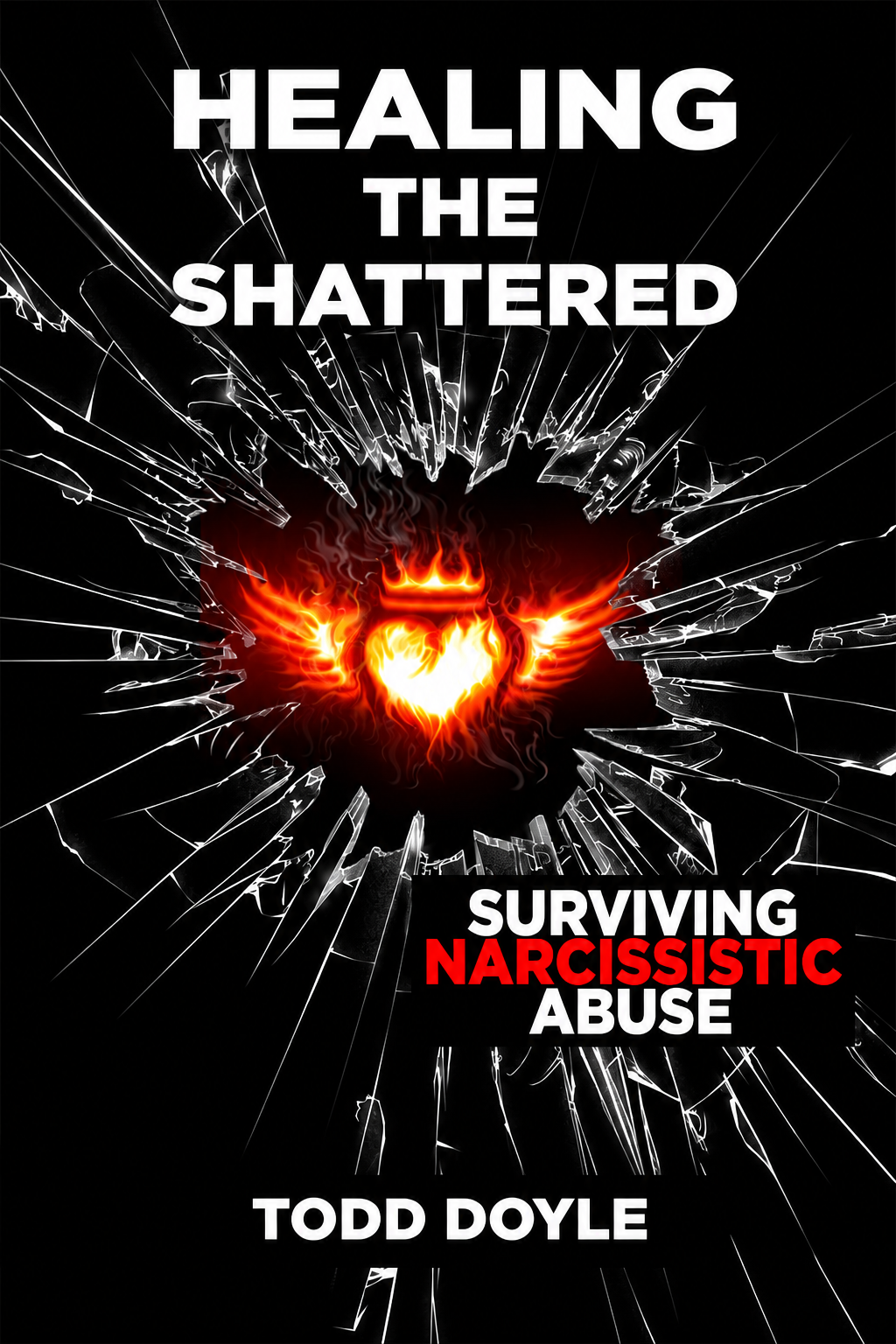

 Buy Paperback on Amazon
 Buy Signed Copy • PayPal