
If you are looking into safety planning, you may already sense that your situation calls for more than the general boundary and recovery advice on the rest of this site. That instinct is worth trusting. This guide is an orientation, not a plan itself. A real safety plan is personal, built around your specific circumstances, and that part of the work belongs with a trained advocate, not a blog post.
What a Safety Plan Actually Is
A safety plan is not a single document or a list you fill out once. It is a personalized strategy, developed with a trained domestic violence advocate, that accounts for your specific risks: whether you live with the person, whether children or pets are involved, whether weapons are present, and what resources you have access to. The National Domestic Violence Hotline’s advocates are trained specifically to help build this kind of plan with you, for free and confidentially, 24 hours a day.
That is the most important thing to understand before anything else on this page: the safest, most accurate safety plan is one built with a real person who can ask about your specific situation, not a generic checklist written for every reader at once.
Why Professional Input Matters Here Specifically
Most of the topics covered elsewhere on this site, recognizing manipulation, understanding trauma bonds, setting boundaries, are areas where general survivor-to-survivor education is genuinely useful. Safety planning is different. The right answer for one person (stay and quietly prepare) can be the wrong answer for another (leave immediately), and getting it wrong can increase danger rather than reduce it. Advocates are trained to ask the right questions, including ones you might not think to ask yourself, before helping you decide on next steps.
The General Shape of What Safety Planning Covers
Without replacing an advocate’s individualized guidance, safety planning conversations commonly touch on:
- How to leave quickly if you ever need to, including which exit and what to bring
- Important documents, medication information, and some money kept somewhere accessible
- Who you trust enough to tell, and how they can help
- Steps toward financial independence, including recognizing financial restrictions that may be part of the abuse itself
- What happens with pets, if you have them
- Digital and device safety, since many monitoring risks are easy to miss
Each of these has its own article in this series, linked below, but none of them substitute for a conversation with an advocate about your actual circumstances.
How to Actually Start
You can reach the National Domestic Violence Hotline by calling 800-799-7233, texting START to 88788, or starting a confidential chat at thehotline.org. It costs nothing, it does not obligate you to any particular action, and you do not need to have decided what you want to do before you call.
Related Reading in This Series
- No Contact vs. Low Contact: Understanding the Options and Constraints
- Digital Safety After Abuse: Accounts, Devices, and Location Sharing
- Documenting Abuse Safely: What to Discuss With an Advocate or Lawyer
- Preparing to Speak With a Domestic Violence Advocate
- When an Ex Keeps Contacting You: Unwanted Messages and Support Options
- Retrieving Belongings After an Abusive Relationship
- What to Ask a Lawyer About Separation, Housing, and Shared Finances
- Protecting Pets When Planning to Leave an Abusive Relationship
- Financial Abuse: Recognizing Restrictions on Money, Work, and Independence
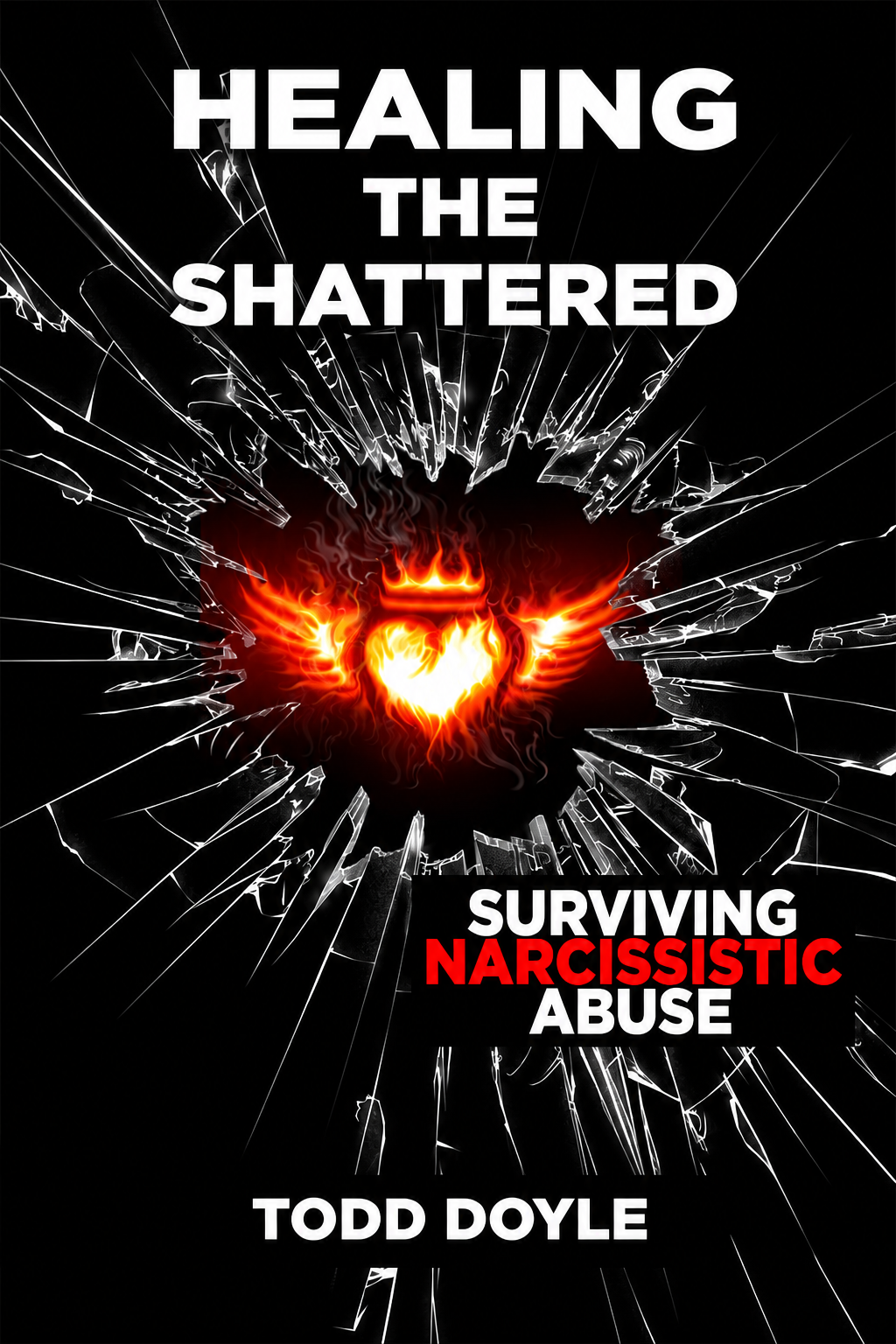
I wrote Healing the Shattered from the recovery side of narcissistic abuse, after the leaving was already behind me. If you are still in the planning stage, that part of the journey deserves trained, individualized support first. This book, and this site, will still be here afterward.

 Buy Paperback on Amazon
 Buy Signed Copy • PayPal