
Financial abuse is a pattern of controlling someone’s access to money, work, or financial information specifically to limit their independence. According to the National Network to End Domestic Violence, it shows up in an estimated 99 percent of domestic violence cases, making it one of the most common forms of control, and one of the least talked about.
Signs Involving Money and Accounts
- One partner takes complete control of household finances, leaving the other with no access to accounts or financial information
- Being put on a strict “allowance,” even over objection, with no say in the amount
- Money or funds being withheld for basic needs like food, medicine, or children’s expenses
- Debt being run up in your name without your knowledge or consent
Signs Involving Work and Independence
- Being forbidden from working, or pressured out of a job you wanted to keep
- A partner contacting, stalking, or showing up at your workplace
- Being made to miss important meetings or interviews, sometimes through direct interference beforehand
- Being blocked from job training, education, or advancement opportunities
Why This Matters for Safety Planning Specifically
Financial dependence is one of the most powerful reasons people stay longer than they want to, and one of the biggest obstacles after leaving. Recognizing financial abuse as abuse, not just “how our household happens to work,” is often the first step toward addressing it as part of a broader safety plan rather than treating it as a separate, unrelated issue.
This is a different question than the one covered in Financial Boundaries vs. Financial Control in a Relationship, which looks at where reasonable financial boundaries end and controlling behavior begins. This article is specifically about recognizing financial abuse as part of a larger pattern.
Where to Get Help
The National Network to End Domestic Violence’s financial safety planning resources, available at nnedv.org, cover practical steps like building financial independence safely. A domestic violence advocate can also help you think through financial safety as part of a full plan. Start with the National Domestic Violence Hotline (800-799-7233), or see Safety Planning in an Abusive Relationship: Where to Begin.
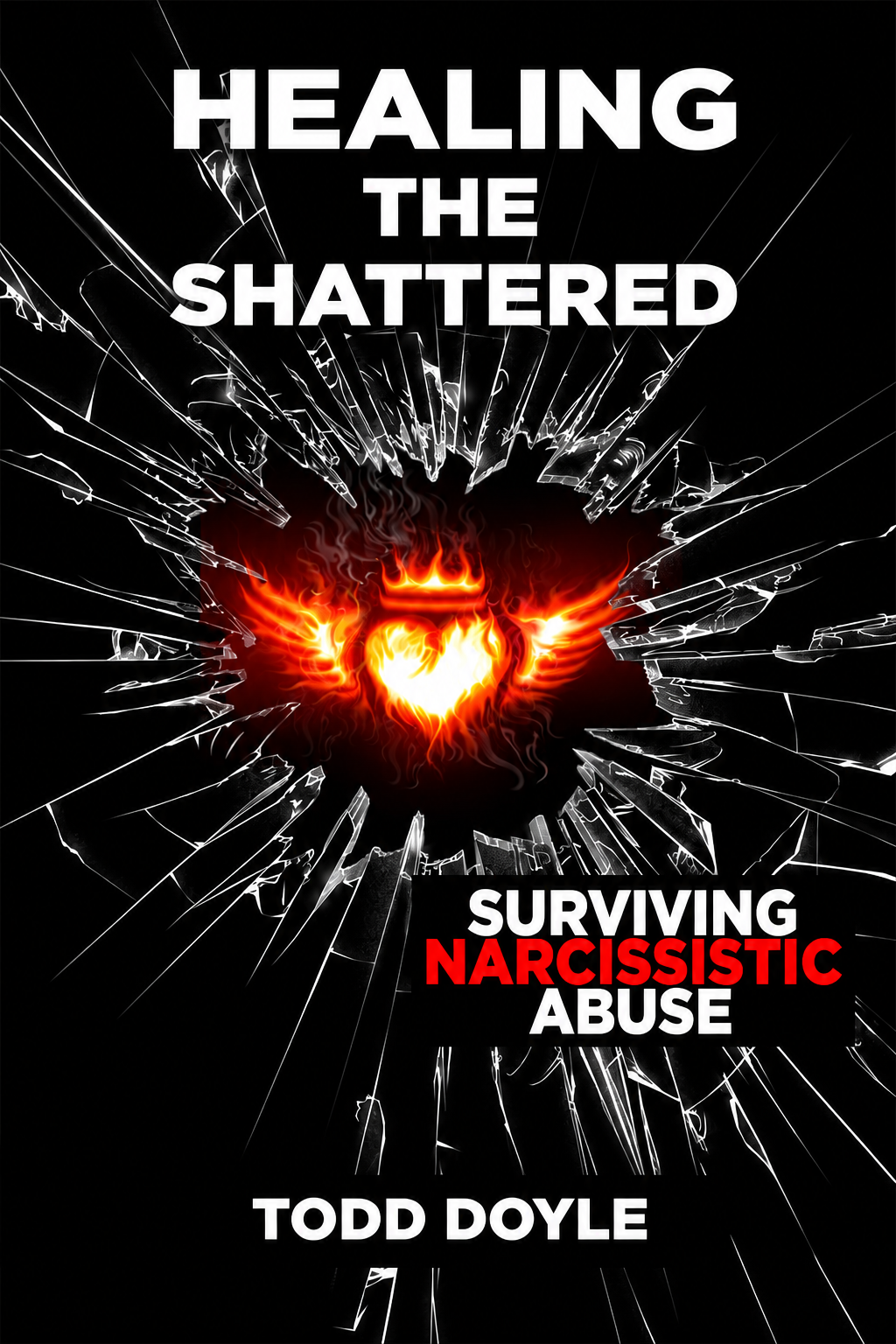

 Buy Paperback on Amazon
 Buy Signed Copy • PayPal