

Feeling worthless after narcissistic abuse is extremely common, and it is not a sign that something is actually wrong with your value as a person. It is, more often, a sign of what was happening in the relationship itself.
Where the Feeling Often Comes From
In the literature on narcissistic abuse, the term narcissistic supply describes something fairly specific: an abusive or narcissistic partner often extracts whatever a relationship can offer them, admiration, emotional reassurance, financial support, housing, status, and keeps returning to whichever source currently provides it. Admiration in particular tends to be present in some form across these dynamics. A partner whose sense of worth stays low, through criticism, withheld affection, or constant comparison, can be easier to keep in that role. This is a documented pattern discussed widely in narcissistic-abuse literature, not a clinical diagnosis of any individual person’s unconscious motives, and it will not describe every relationship identically. But if it sounds familiar, it means the message that you were worthless was serving a purpose in the relationship. It was never an accurate read on who you actually are.
Worth Isn’t Something Someone Else Controls
Your worth is not a quantity that another person’s treatment can add to or subtract from, even though it can certainly feel that way after sustained criticism or devaluation. The confusion and isolation that often accompany this kind of relationship, where you’re left unsure of your own worth, is a documented effect of the abuse, not evidence supporting the belief it created.
A Different Question to Ask
Instead of asking “am I worthless,” which the relationship trained you to ask, a more useful question is often: “what did I need that I wasn’t getting, and what would it look like to give that to myself now.” That’s a practical starting point, not a quick fix. For concrete exercises to work through, see Rebuilding Self-Worth After Abuse: Small Practices to Try, and for the broader recovery picture, see Healing After Narcissistic Abuse: A Practical Recovery Guide.
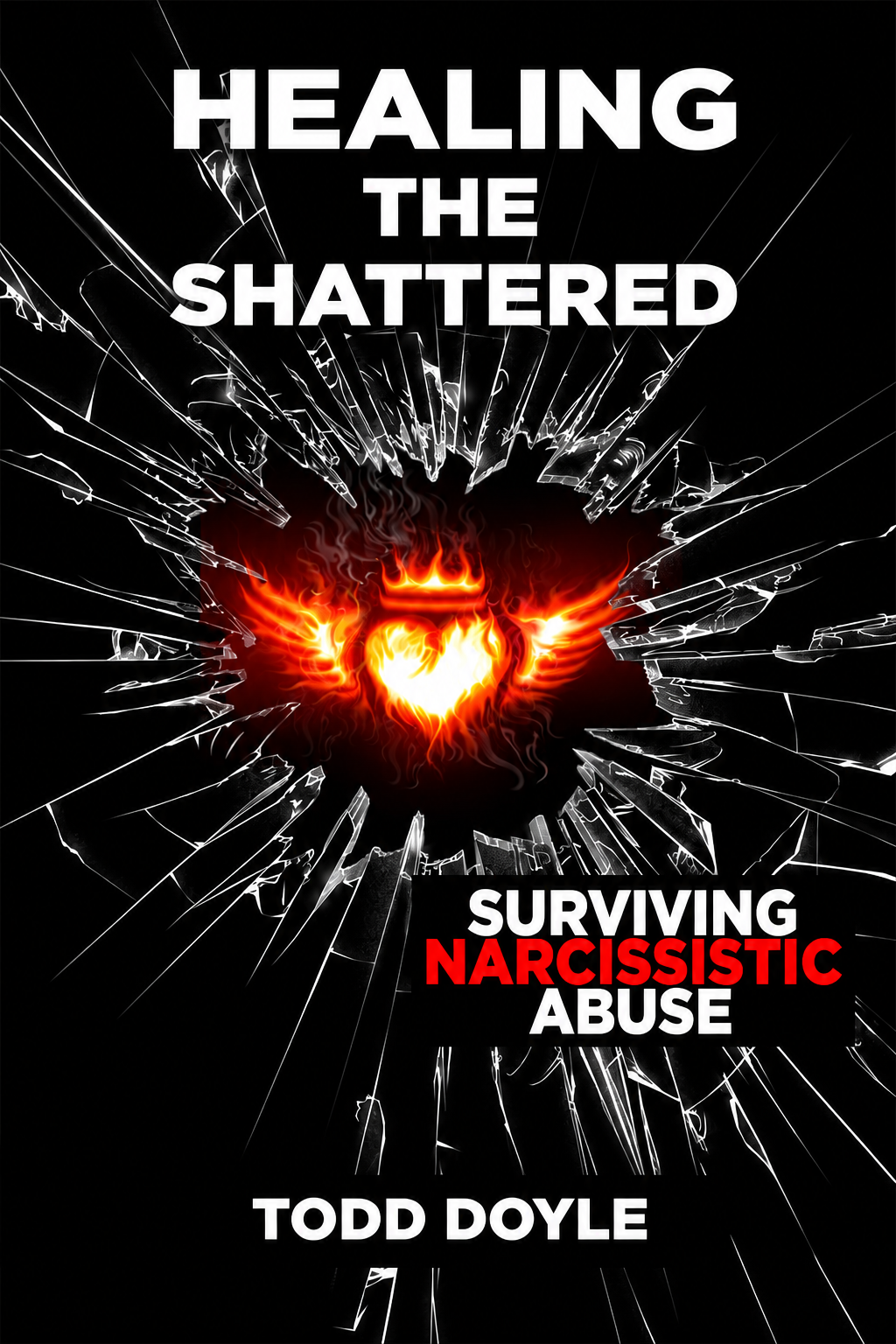

 Buy Paperback on Amazon
 Buy Signed Copy • PayPal