

By Todd Doyle, author of Healing the Shattered: Surviving Narcissistic Abuse
Everyone remembers things differently sometimes. Disagreeing about what was said, or how serious something was, is a normal part of being in a relationship with another person who has their own memory and perspective. Gaslighting is different: it is a repeated pattern aimed at making you distrust your own perception, not a one-off difference of recollection.
A Disagreement
“I don’t remember saying it that way. I think I said something different, let’s talk about what each of us remembers.” A disagreement leaves room for both versions to be real, or for genuine uncertainty. It does not require you to conclude that your memory is broken.
Gaslighting
“That never happened. You’re imagining things again. You always do this.” Gaslighting denies your experience outright, often adds a character judgment, “you always,” “you’re too sensitive,” “you’re crazy”, and repeats the pattern enough times that you start pre-emptively doubting yourself before a conversation even starts.
Three Questions That Help Tell Them Apart
- Does the other person allow for the possibility that their memory, not just yours, could be wrong?
- Is doubt directed at a single event, or at your reliability and sanity in general?
- Does this happen occasionally, the way it does in any relationship, or does it follow a consistent pattern whenever you raise a concern?
Why the Distinction Matters
Calling every disagreement “gaslighting” can make the word less useful, and can make you doubt a partner who is genuinely just remembering things differently. But dismissing a real, repeated pattern as “just a disagreement” can keep you second-guessing your own perception for far longer than you need to. The pattern, not any single conversation, is what tells you which one you are dealing with.
If You Are Not Sure
Writing down what happened soon after it happens, in a private, safe place, can help you compare your own account over time instead of relying only on memory under stress. A therapist or trusted outside person can also help you see a pattern you might be too close to recognize alone. Gaslighting is one of several tactics covered in Manipulation in Abusive Relationships: A Guide to Recognizing the Tactics.
This article provides general education and a survivor’s perspective. It does not diagnose another person or replace individualized mental health care or safety planning.
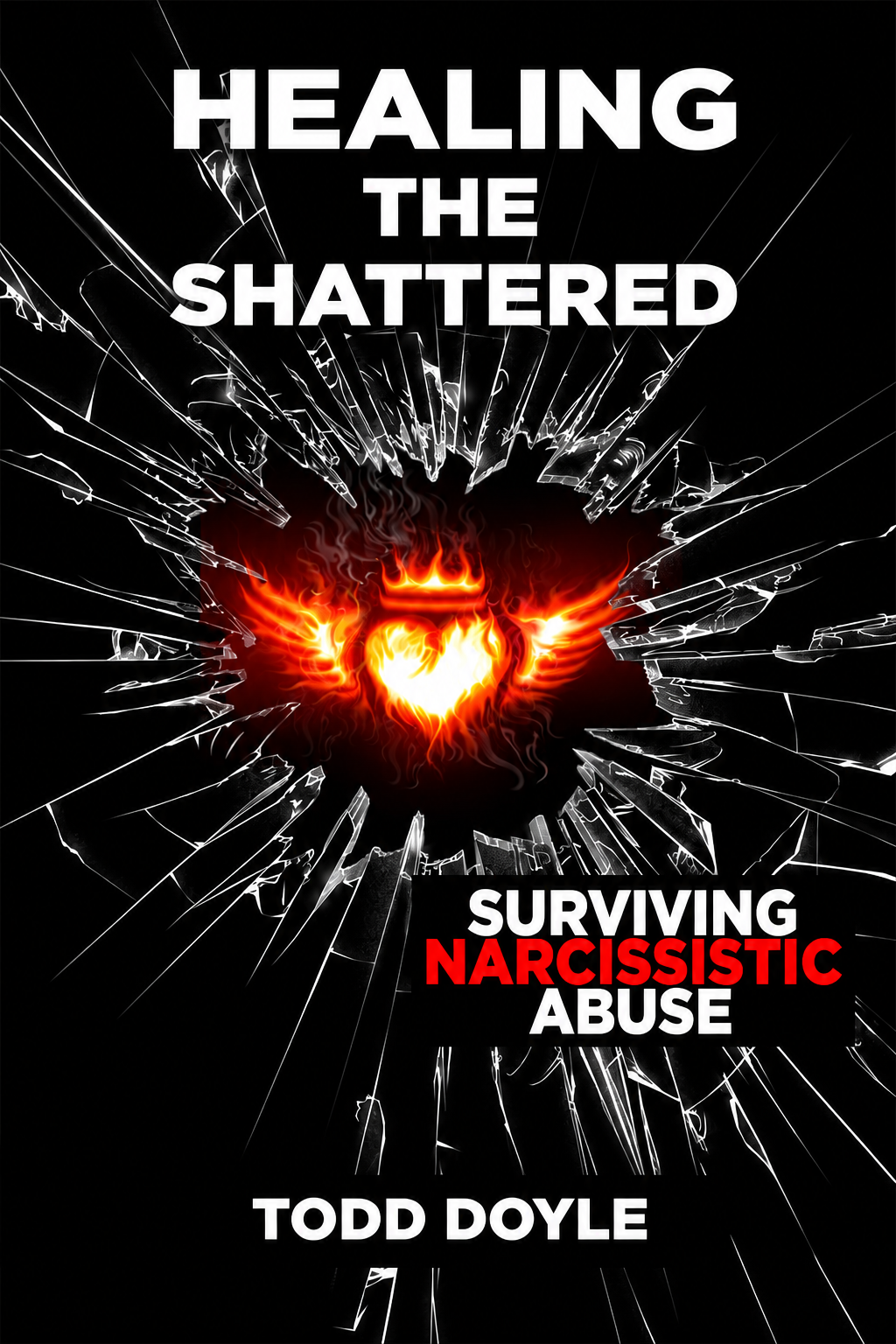

 Buy Paperback on Amazon
 Buy Signed Copy • PayPal