

By Todd Doyle, author of Healing the Shattered: Surviving Narcissistic Abuse
Asking “am I overreacting” is itself a common effect of being in a relationship where your reactions have been repeatedly questioned. It is not, by itself, evidence that you are overreacting.
A Way to Examine It
Instead of trying to judge your reaction in isolation, try separating the event from the impact:
- What specifically happened? Describe the behavior itself, not your interpretation of it.
- How did it affect you? Be specific: did you feel afraid, humiliated, confused, dismissed?
- Has this happened before? One instance and a repeated pattern call for different responses.
- Would you tell a friend in the same situation that they were overreacting?
Where This Question Usually Comes From
In a relationship where gaslighting or blame-shifting is common, a normal, proportionate reaction can get repeatedly labeled as excessive, dramatic, or crazy, often specifically in the moment you’re raising a real concern. Over time, that external questioning gets internalized, and you start asking yourself the same question they’ve been asking you, even in situations with no one else around to ask it.
Why the Question Itself Can Be a Clue
If you frequently find yourself asking this question about the same person, that repetition is worth paying attention to. Relationships where your reactions are respected tend not to leave you constantly auditing your own responses. A useful comparison: think about a relationship, past or present, where you don’t ask yourself this question nearly as often, and notice what’s actually different about how that person responds to you.
What It Looks Like in Practice
A concrete example: you mention feeling hurt that plans were canceled last minute, again, and the response is “you’re being way too sensitive about this.” The question “am I overreacting” that follows isn’t really about the canceled plans anymore; it’s about whether your feelings are allowed to be taken seriously at all. Separating those two questions, is this specific reaction proportionate, and am I generally allowed to have reactions, often reveals that the second question is the real one underneath.
You Do Not Need to Resolve This Alone
A trusted friend, family member, or therapist, someone who is not involved in the situation, can help you see a pattern you might be too close to judge clearly on your own.
See What Is Narcissistic Abuse? Patterns, Effects, and Getting Support for the broader pattern this question often comes up around.
This article provides general education and a survivor’s perspective. It does not diagnose another person or replace individualized mental health care or safety planning.
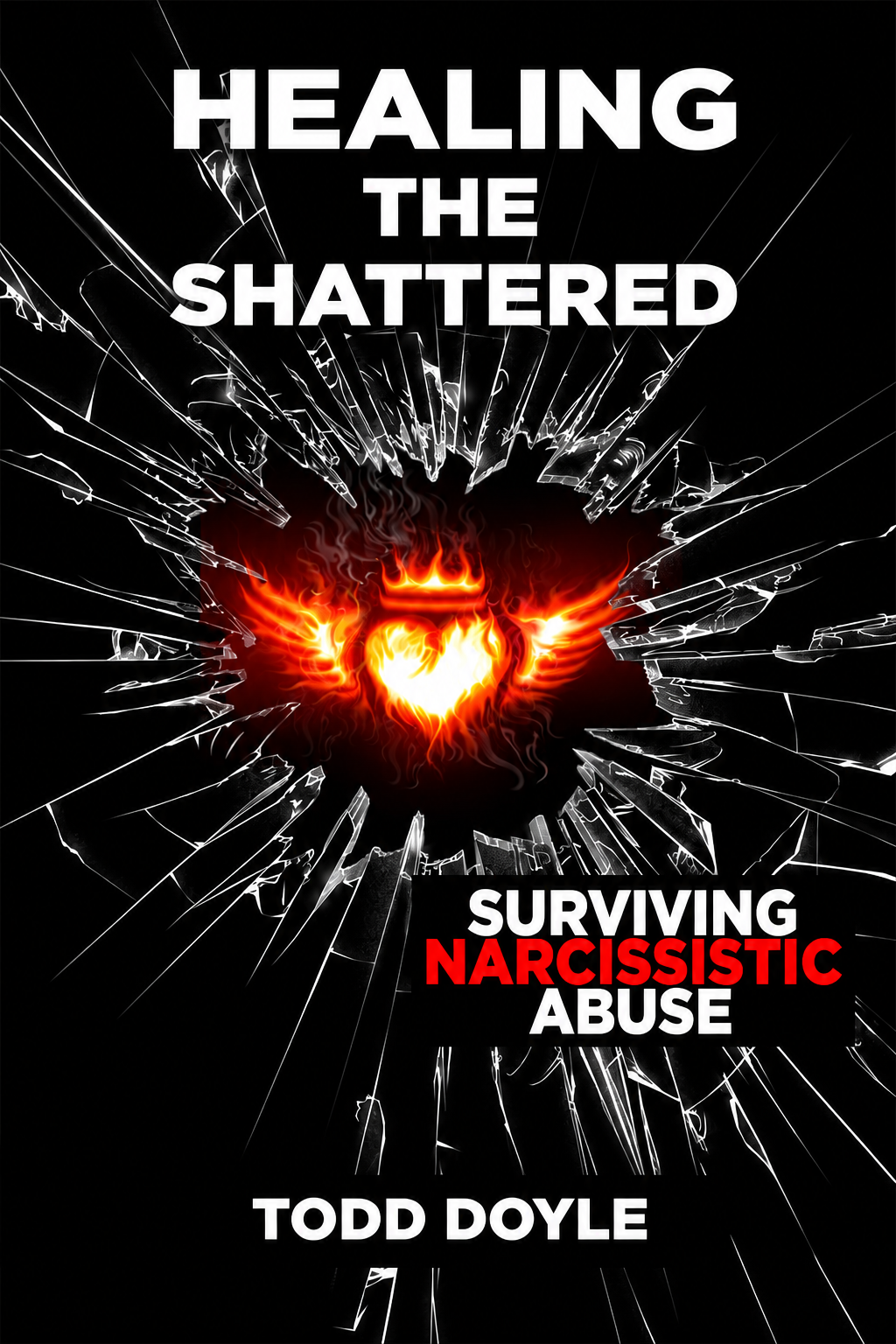

 Buy Paperback on Amazon
 Buy Signed Copy • PayPal