

Codependency is often described in ways that can land as a quiet accusation: that you somehow enabled or needed the dysfunction. A more accurate, and kinder, way to understand it is as a learned pattern of prioritizing someone else’s needs, moods, and approval so consistently that your own needs become hard to locate, let alone voice.
Where It Tends to Come From
This pattern is frequently learned early, in a family where love or safety depended on managing someone else’s emotions, and it often shows up again later in a relationship with a narcissistic or otherwise demanding partner, where the same skill set, caretaking, anticipating needs, staying calm to keep the peace, gets used constantly.
What It Isn’t
It isn’t a character flaw, a lack of self-respect, or something that caused the abuse. It’s a survival adaptation that made sense in the environment where it developed, even if it’s no longer serving you now.
What Starts to Shift It
Noticing automatic agreement before it happens, and practicing a pause before responding, is a concrete starting point; see People-Pleasing After Abuse: Noticing Automatic Agreement. For the deeper self-trust work underneath it, see Rebuilding Self-Trust After Gaslighting.
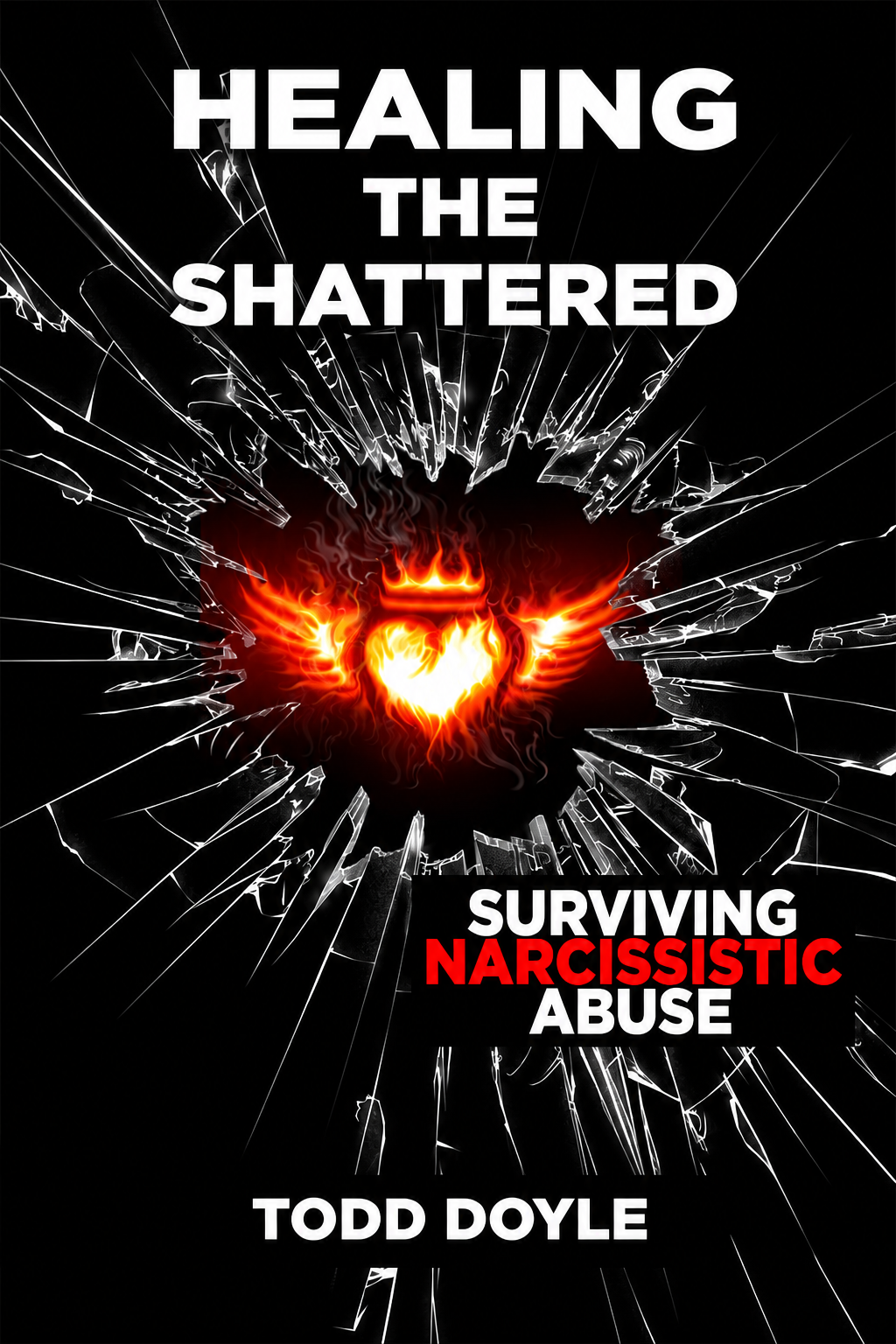


 Buy Paperback on Amazon
 Buy Signed Copy • PayPal