

By Todd Doyle, author of Healing the Shattered: Surviving Narcissistic Abuse
Emotional blackmail raises the stakes beyond guilt: it is a threat, explicit or implied, meant to force a specific response. “If you leave, I’ll hurt myself.” “If you don’t do this, I’ll tell everyone what you did.” “If you don’t come back, you’ll regret it.” The common thread is a consequence attached to your choice, designed to remove the choice.
Why It Is Different From a Normal Consequence
Real consequences are things that would happen anyway as a natural result of a choice. Emotional blackmail invents or escalates a consequence specifically to control your decision, often involving harm to the person making the threat, to you, or to your reputation. A useful distinction: “if you leave, I won’t be able to afford rent alone” describes a real, separate problem to solve together or apart. “If you leave, I’ll make sure you regret it” is a threat, not a consequence.
Common Forms This Takes
- Threats of self-harm or suicide tied directly to your decision
- Threats to reveal private information, real or exaggerated, to people who matter to you
- Threats involving children, pets, shared property, or mutual friends
- Vague but ominous warnings (“you have no idea what I’m capable of”) left intentionally unspecified
Threats of Self-Harm
A threat to self-harm tied to your decision is serious and should be taken seriously as a safety concern, and it is also, separately, a tactic that is not your responsibility to manage alone. If someone’s safety is genuinely at risk, involve a crisis line or emergency services rather than trying to resolve it by giving in to the demand. You are not qualified, and not obligated, to be someone’s only safeguard against self-harm, even someone you love.
Why Giving In Rarely Resolves It Long-Term
Complying with an emotional blackmail threat often teaches the pattern that it works, which can make it more likely to recur the next time your decision is inconvenient for the other person, not less. This doesn’t mean every situation has a clean, confrontation-free answer, especially when real safety concerns are involved, but it’s worth knowing that giving in is not generally a path to the behavior stopping.
Getting Help
If you are facing this kind of pressure, a therapist, domestic violence advocate, or crisis line can help you think through a safe response, one that does not require you to manage someone else’s threatened reaction by yourself. If you are in immediate danger, call 911. The National Domestic Violence Hotline (800-799-SAFE, or text START to 88788) offers confidential safety planning, not emergency dispatch.
See Manipulation in Abusive Relationships: A Guide to Recognizing the Tactics for related tactics.
This article provides general education and a survivor’s perspective. It does not diagnose another person or replace individualized mental health care or safety planning.
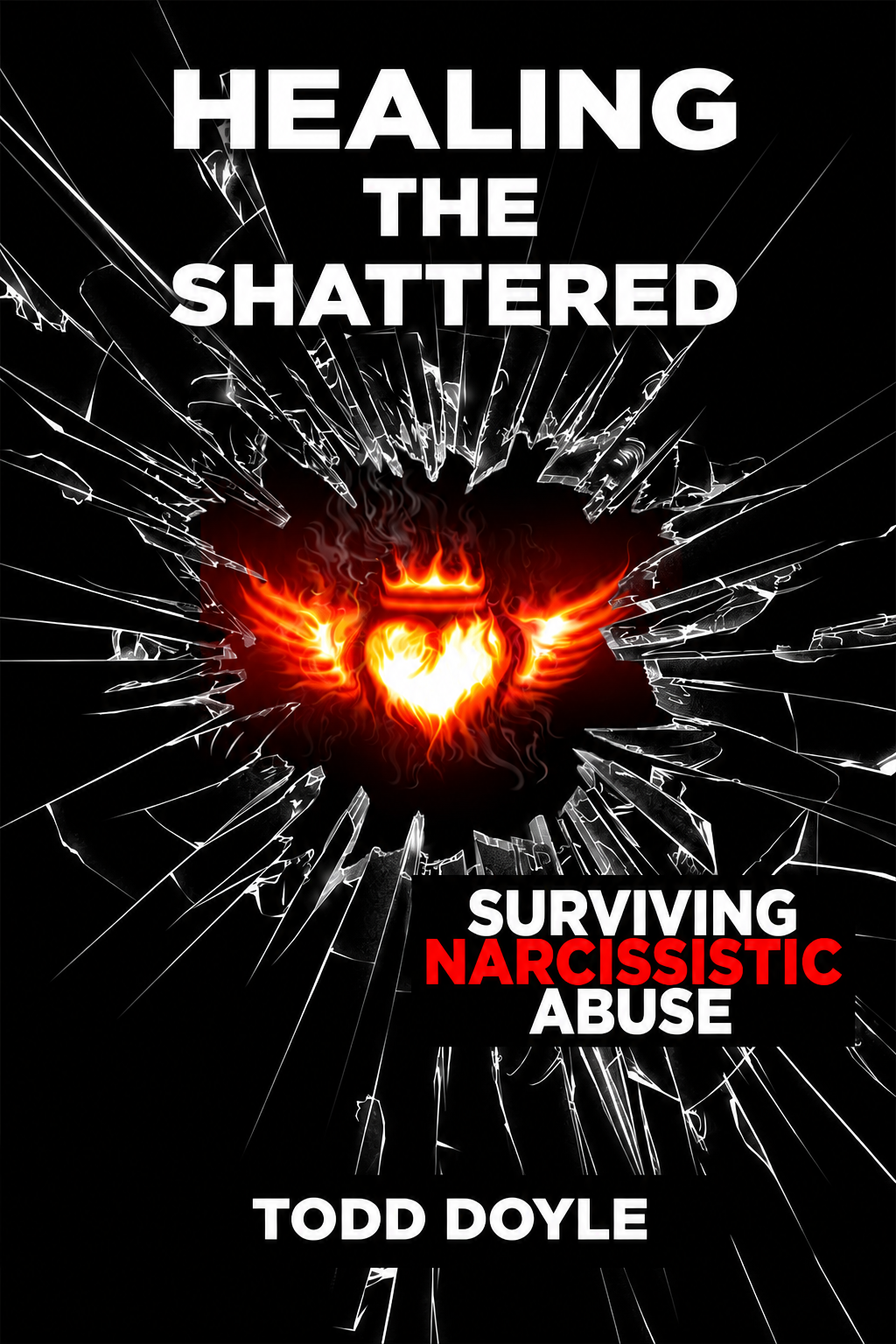



 Buy Paperback on Amazon
 Buy Signed Copy • PayPal