

After a relationship built on inconsistency, it can be hard to trust good treatment when you see it. These are observable patterns, things you can actually watch for over time, rather than feelings or promises, which are easier to perform convincingly in the short term.
Consistency Between Words and Actions
What someone says about their intentions matches what they actually do, repeatedly, not just at the beginning. Promises aren’t a substitute for follow-through. If plans change, there’s a real reason and real communication about it, not a pattern of saying one thing and doing another and expecting it to go unnoticed.
Your “No” Is Simply Respected
A boundary you state doesn’t need to be re-litigated, guilt-tripped, or worn down over time. It’s acknowledged, even when the other person doesn’t love hearing it. You don’t find yourself having the same conversation about the same limit over and over, because it actually held the first time.
Disagreement Doesn’t Escalate Into Punishment
Conflict happens in every relationship. The difference is what follows it: does the relationship return to normal once the disagreement is resolved, or does it turn into withdrawal, silent treatment, or lingering resentment used as leverage. In a healthy relationship, a disagreement from last week isn’t still being held against you this week.
Your Life Outside the Relationship Is Supported, Not Competed With
Friendships, interests, and other relationships in your life are treated as a normal, welcome part of who you are, not as threats to be managed or minimized. You’re not made to feel guilty for spending time on things, or with people, that don’t involve them.
They Can Tolerate Being Wrong
A genuine apology, when warranted, doesn’t require you to do the emotional work of extracting it, and it isn’t immediately followed by a reversal back to the original behavior. “I was wrong, I’m sorry” is said plainly, without a “but” attached that quietly shifts the blame back onto you.
They Can Handle You Having a Bad Day
Everyone has off days, low moods, or moments of needing space. A healthy partner can tolerate that without treating it as a personal rejection or using it as evidence that something is wrong with the relationship, and without requiring you to manage their reaction to your bad day on top of having it.
None of these show up in a single date or a single conversation. That’s the point: they’re patterns, visible only with enough time and enough ordinary moments to actually observe them. For more on reading feedback and conflict accurately, see Receiving Feedback After Abuse.
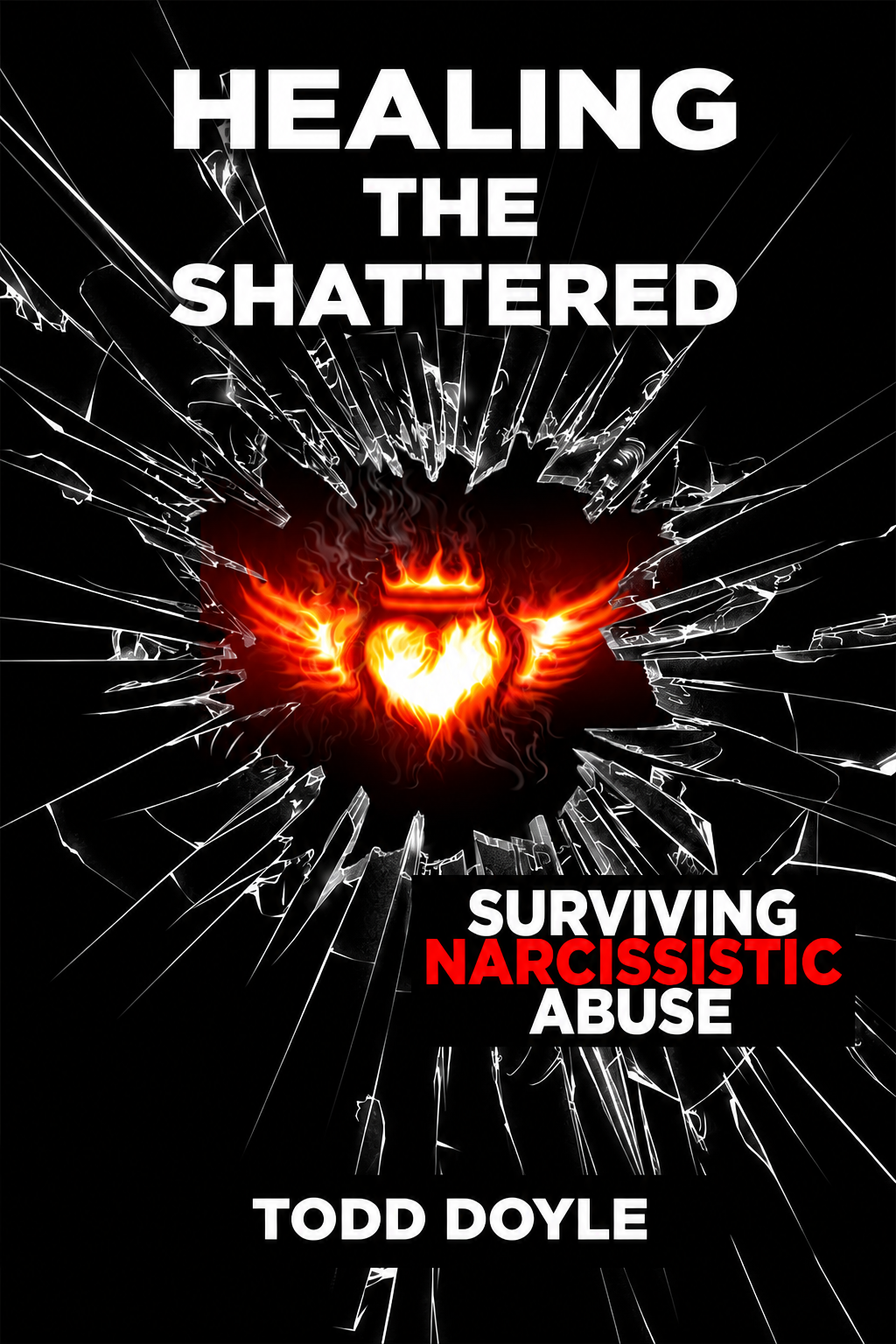



 Buy Paperback on Amazon
 Buy Signed Copy • PayPal