

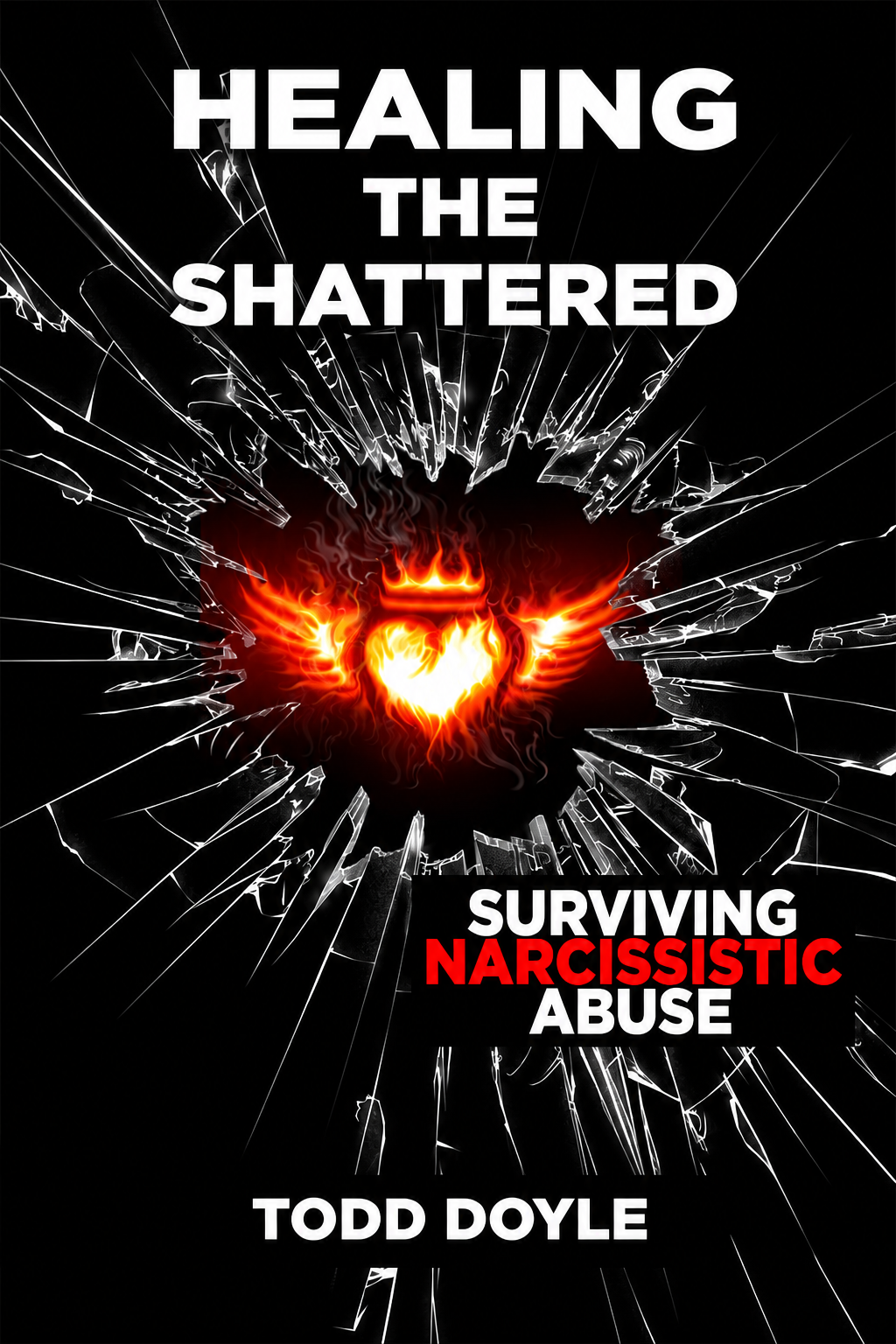
By Todd Doyle, author of Healing the Shattered: Surviving Narcissistic Abuse
Watching someone you care about struggle with a trauma bond, staying in or returning to a relationship that is clearly hurting them, can be frustrating and frightening. How you respond matters, both for them and for whether they feel able to keep talking to you about it.
What Tends Not to Help
Ultimatums, “just leave them,” repeated criticism of their choices, and pressure to act on your timeline rather than theirs tend to push someone to defend the relationship, or to stop confiding in you, rather than creating space to think clearly.
What Tends to Help
- Listening without requiring them to agree with your assessment before you will keep listening.
- Staying available even after a setback or a return to the relationship, rather than withdrawing as a consequence.
- Offering specific, practical help, a place to stay, help attending an appointment, rather than general advice to leave.
- Being patient with a process that may take much longer, and involve more setbacks, than you would expect from outside it.
Protecting Your Own Limits
Supporting someone through this does not mean having unlimited capacity. It is reasonable to be honest about your own limits while still remaining someone they can come back to.
See Trauma Bonding: Understanding Attachment in an Abusive Relationship for context on what they may be experiencing.
This article provides general education and a survivor’s perspective. It does not diagnose another person or replace individualized mental health care or safety planning.

 Buy Paperback on Amazon
 Buy Signed Copy • PayPal