

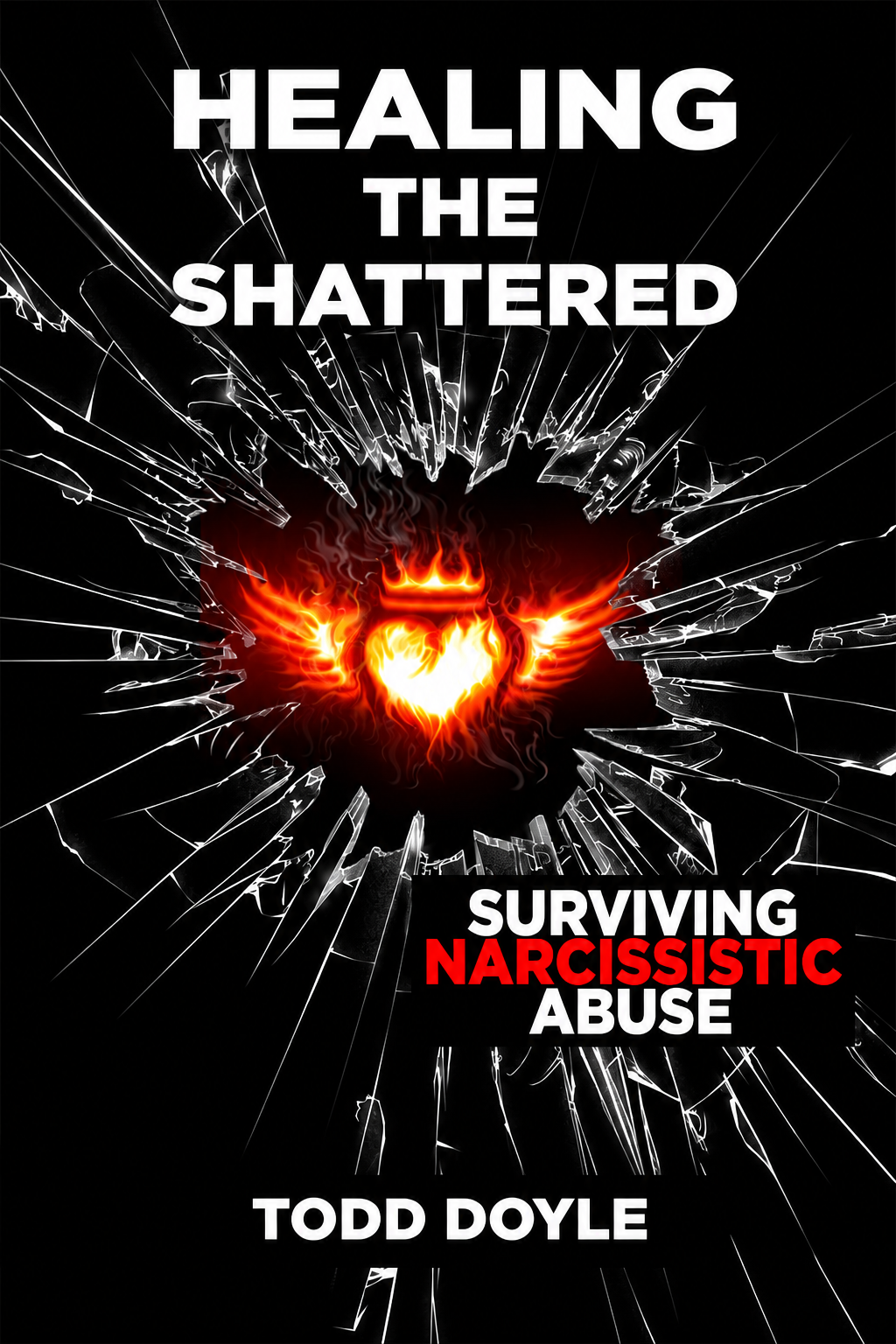
By Todd Doyle, author of Healing the Shattered: Surviving Narcissistic Abuse
Devaluation is a sustained shift in how you are treated: increasing criticism, contempt, dismissiveness, or coldness, replacing what used to be warmth or at least neutrality. It is not one bad day or one argument. It is a pattern that holds over time and that changes what you have come to expect from the relationship.
What Devaluation Looks Like
- Affection and attention becoming conditional, or disappearing, with no clear explanation.
- Your accomplishments, feelings, or opinions getting dismissed or mocked where they used to be acknowledged.
- A pattern of criticism that feels constant rather than occasional.
- Feeling like you are “walking on eggshells,” managing someone else’s reactions more than living your own life.
Why It Can Be Confusing
Devaluation is often, though not always, preceded by an intense early period of attention and affection, sometimes called idealization or love bombing. When warmth is replaced by contempt, the contrast itself can be disorienting: you may find yourself trying to recreate the earlier version of the relationship, or assuming you did something to cause the change. Some relationships follow something like this idealize-then-devalue pattern; many do not, or follow it inconsistently. The specific order matters less than recognizing the sustained shift itself.
What It Is Not
A single argument, a bad week, or stress from outside the relationship are normal and do not by themselves indicate devaluation. The distinguishing feature is sustained change: does the criticism, coldness, or contempt persist and recur as a pattern, or was this one difficult stretch that resolved?
What Can Help
Naming the shift, in your own head or with someone you trust, can help you evaluate it more clearly than trying to reason your way through it alone while it is happening. A therapist can help you separate what has actually changed in how you are treated from any story you are telling yourself about deserving it. If you are working out what to do about a relationship that has shifted this way, The Narcissistic Abuse Cycle: Understanding the Model and Its Limits covers how this can fit into a broader pattern, without assuming every relationship follows the same script.
This article provides general education and a survivor’s perspective. It does not diagnose another person or replace individualized mental health care or safety planning.

 Buy Paperback on Amazon
 Buy Signed Copy • PayPal