

By Todd Doyle, author of Healing the Shattered: Surviving Narcissistic Abuse
It is common to feel responsible for an abusive partner’s moods, happiness, or even their wellbeing overall, especially after months or years of managing their reactions. That feeling is understandable. It is not an accurate measure of what you actually owe them.
Where This Feeling Comes From
If you have spent a long time adjusting your behavior to prevent someone’s anger, disappointment, or distress, it is natural to start experiencing their emotional state as your job to manage. Over time, keeping the peace can start to feel like your responsibility rather than a side effect of trying to stay safe.
What You Are Not Responsible For
You are not responsible for another adult’s emotional regulation, their happiness, or their reaction to your own reasonable choices, including the choice to set a boundary or to leave. Their response to your decisions belongs to them, even when it does not feel that way in the moment.
Common Worries That Keep This Feeling Alive
- “If I leave, who will take care of them?” Their care is not solely your responsibility to provide, and was likely never meant to be a lifelong assignment.
- “They’ll fall apart without me.” Their capacity to cope is not something you can accurately predict, and it is not a reason to stay in something harmful to you.
- “I’m the only one who understands them.” Feeling uniquely necessary to someone is a common experience in these relationships, and it does not reflect an actual, unique obligation.
What Can Help
Separating your own wellbeing from theirs, even just as a mental exercise, can help you notice how much space their needs have been taking up relative to your own. A therapist can help you work through guilt that does not match your actual responsibility.
See Trauma Bonding: Understanding Attachment in an Abusive Relationship for more on why this sense of obligation can feel so strong.
This article provides general education and a survivor’s perspective. It does not diagnose another person or replace individualized mental health care or safety planning.
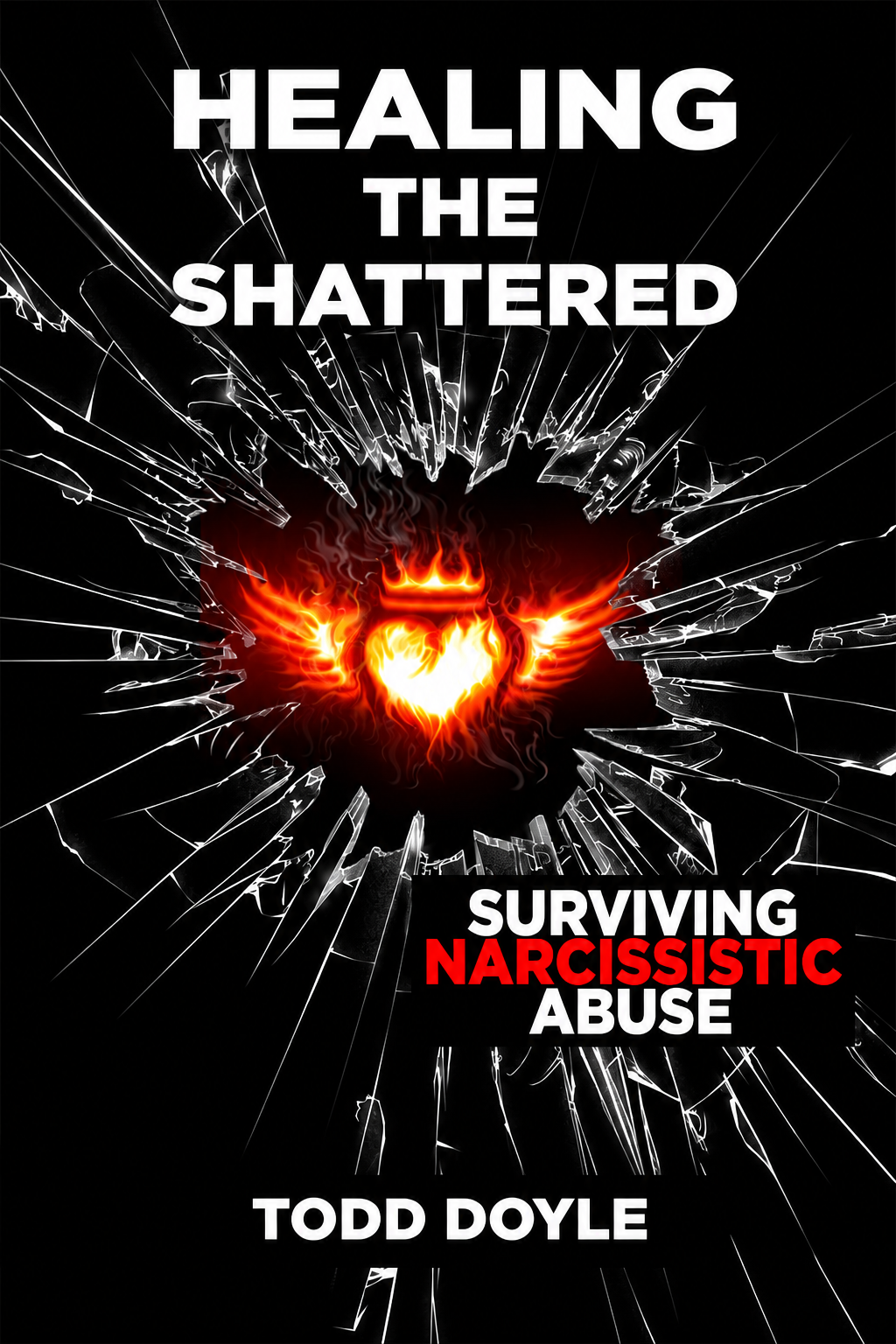

 Buy Paperback on Amazon
 Buy Signed Copy • PayPal