

By Todd Doyle, author of Healing the Shattered: Surviving Narcissistic Abuse
Missing someone who hurt you does not mean the relationship was good for you, and it does not mean you made a mistake by leaving or wanting distance. It means you had a real attachment, and real attachments do not disappear the moment you recognize they were harmful.
Why Both Feelings Are Real
You can miss specific things, the good moments, the routine, the feeling of being known, while also knowing the relationship overall was not safe or healthy. These are not contradictory. They are both accurate descriptions of a complicated experience. The relationship likely had real good moments mixed in; abusive relationships almost always do, which is part of what makes them confusing to grieve.
What Missing Someone Does Not Mean
It does not mean you are wrong about what happened. It does not mean the relationship would be good for you if you went back. It does not mean your current distance is a mistake. Missing someone is a feeling, not a verdict on the facts, and treating it as evidence against your own decisions tends to make the feeling harder to sit with, not easier.
Why the Missing Can Feel So Intense
If the relationship involved intermittent reinforcement, affection and warmth arriving unpredictably rather than consistently, that specific pattern is known to create especially strong, persistent attachment, often stronger than a consistently kind relationship would. If the missing feels disproportionate to how the relationship actually treated you, that mismatch is a real, documented pattern, not a sign that your judgment about the relationship was wrong.
What Can Help
Naming specifically what you miss, a person, a feeling, a stage of your life, rather than treating it as one undifferentiated pull, can help you see more clearly what you actually lost, and whether that specific thing is something you can find elsewhere, safely. If you miss feeling known, that might point toward deepening an existing friendship. If you miss having someone to make plans with, that might point toward rebuilding a social routine. The missing often points somewhere useful once it’s broken into its actual pieces.
See Trauma Bonding: Understanding Attachment in an Abusive Relationship for more on why this attachment can feel so strong, and Intermittent Reinforcement in Relationships for the specific mechanism behind it.
This article provides general education and a survivor’s perspective. It does not diagnose another person or replace individualized mental health care or safety planning.
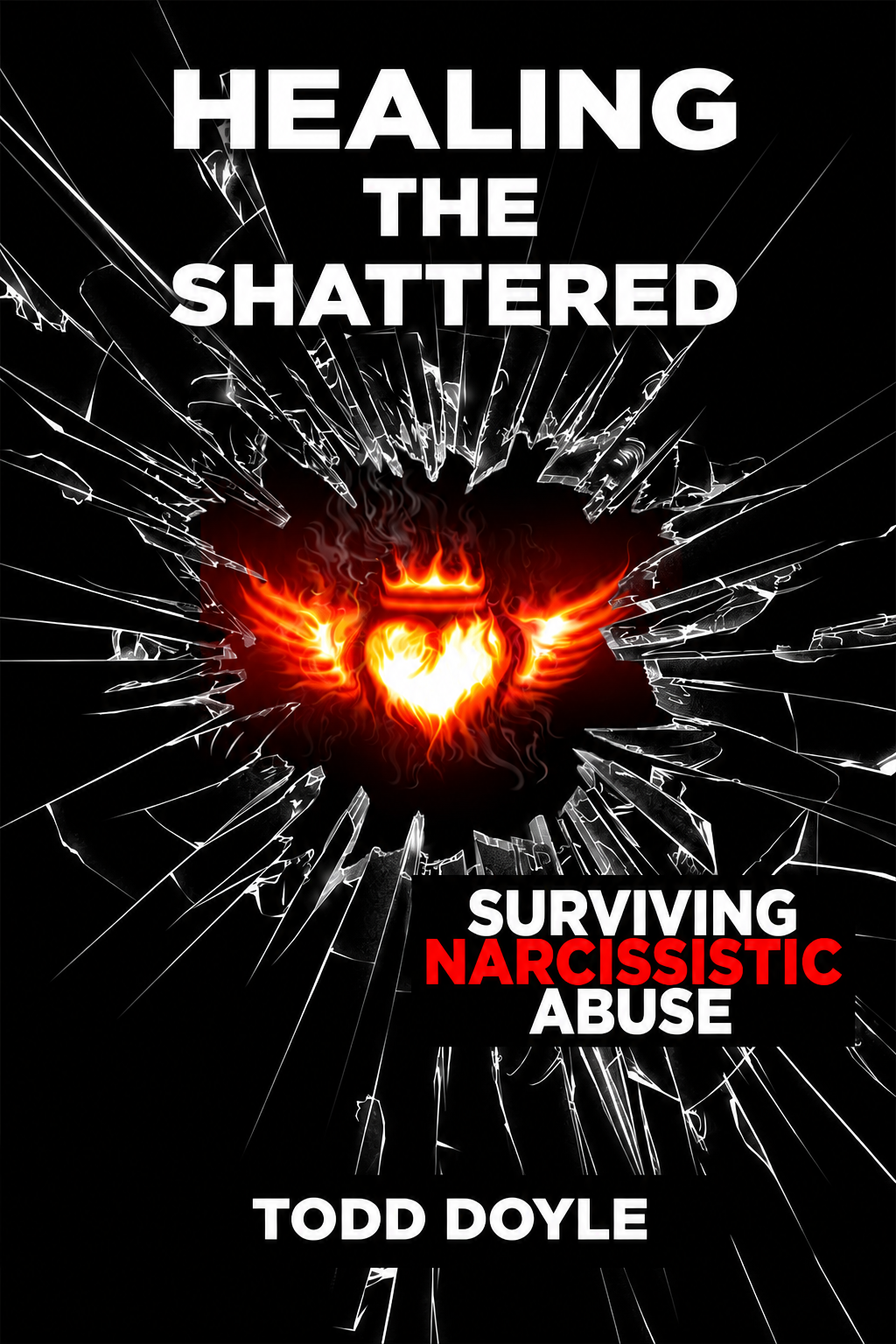



 Buy Paperback on Amazon
 Buy Signed Copy • PayPal