

If you’re new to this topic, the terminology can feel like its own obstacle – gaslighting, trauma bonding, hoovering, triangulation, and a dozen other words get used quickly and often without explanation. Here’s a plain-language starting glossary, covering terms you’ll see throughout this site, with sources you can check further if you want the clinical detail behind any of them.
Narcissistic Personality Disorder (NPD)
A formal diagnosis in the DSM-5, the diagnostic manual used by mental health professionals. Its core features include a pervasive pattern of grandiosity, a need for admiration, and a lack of empathy, present by early adulthood and across multiple contexts. Important distinction: NPD is a specific clinical diagnosis, not a casual label for anyone who behaves selfishly on occasion.
Narcissistic abuse
Not itself a clinical term, but a widely used phrase describing a pattern of emotional, psychological, and sometimes financial harm inflicted by someone exhibiting narcissistic traits or NPD. It typically includes behaviors like manipulation, invalidation, and a cycle of idealization and devaluation, rather than any single incident.
Gaslighting
A pattern of manipulation that causes someone to doubt their own perceptions, memory, or judgment. Gaslighting isn’t a single disagreement about facts – it’s a repeated pattern where your account of events is consistently dismissed or rewritten in a way designed to destabilize your trust in your own reality.
Love bombing
An intense early period of excessive affection, attention, flattery, and gift-giving, often moving unusually fast. It can feel wonderful in the moment, but as a pattern, it’s frequently followed by a shift toward devaluation once the relationship feels more secure to the person initiating it.
Idealization, devaluation, and discard
A commonly described cycle in narcissistic relationship dynamics. Idealization is the early “too good to be true” phase. Devaluation is a shift toward criticism, withdrawal, and contempt. Discard describes an abrupt ending, sometimes followed by attempts to reestablish contact later (see “hoovering” below). Not every relationship follows this exact pattern, and the model is a description, not a universal rule.
Trauma bond
An intense emotional attachment that can form during a cycle of intermittent reward and harm. It helps explain why someone might miss or want to return to a relationship that was genuinely damaging – the bond isn’t about the relationship being good, it’s about how unpredictable reinforcement can intensify attachment.
Hoovering
An attempt to pull a person back into contact after a breakup or period of no contact, often via a sudden apology, crisis, or renewed affection. The term comes from the vacuum cleaner brand, describing an attempt to “suck” someone back in. Hoovering doesn’t necessarily indicate genuine change – a real repair involves sustained different behavior, not just a compelling reentry attempt.
Triangulation
Bringing a third person into a dynamic to create jealousy, competition, or validation for one side of a conflict. This can look like comparing you unfavorably to someone else, or recruiting mutual friends/family to take sides.
DARVO
An acronym describing a specific defensive pattern: Deny the behavior occurred, Attack the person raising the concern, and Reverse Victim and Offender – framing the original complainant as the one actually causing harm. It’s a recognized pattern in research on how people respond to being confronted about wrongdoing.
Flying monkeys
A term, borrowed from the imagery in The Wizard of Oz, describing people recruited – sometimes unknowingly – to carry out manipulation, pressure, or harassment on behalf of someone else, often as part of a smear campaign or an attempt to pressure a person back into contact.
Grandiose vs. covert (vulnerable) narcissism
Two different presentations of the same underlying pattern. Grandiose presentations look confident, dominant, and overtly self-important – the more familiar stereotype. Covert presentations look fragile, defensive, and quick to frame themselves as the wronged party, which can make the same underlying pattern much harder to recognize.
Psychopathy
A related but distinct research and clinical construct, not itself a DSM-5 diagnosis (the closest formal category is Antisocial Personality Disorder). It centers more on callousness, impulsivity, and a diminished emotional response to others’ distress, with less emphasis on protecting a fragile or inflated self-image than narcissism typically involves.
Boundaries
A stated or enforced limit about what you will and won’t accept, participate in, or tolerate. A boundary is about your own actions and availability – it isn’t a demand that controls what someone else does, which is a common point of confusion worth understanding clearly.
A note on using this glossary responsibly
None of these terms are meant to be applied to someone in your life as an armchair diagnosis. A real diagnosis requires a trained clinician, direct assessment, and far more information than any single relationship can provide from one side. These definitions exist to help you understand and name your own experience more clearly – not to build a case against another person. If you want to go deeper on any of these, several are covered in their own dedicated articles elsewhere on this site, and the DSM-5 and peer-reviewed research remain the most authoritative sources for the clinical terms specifically.
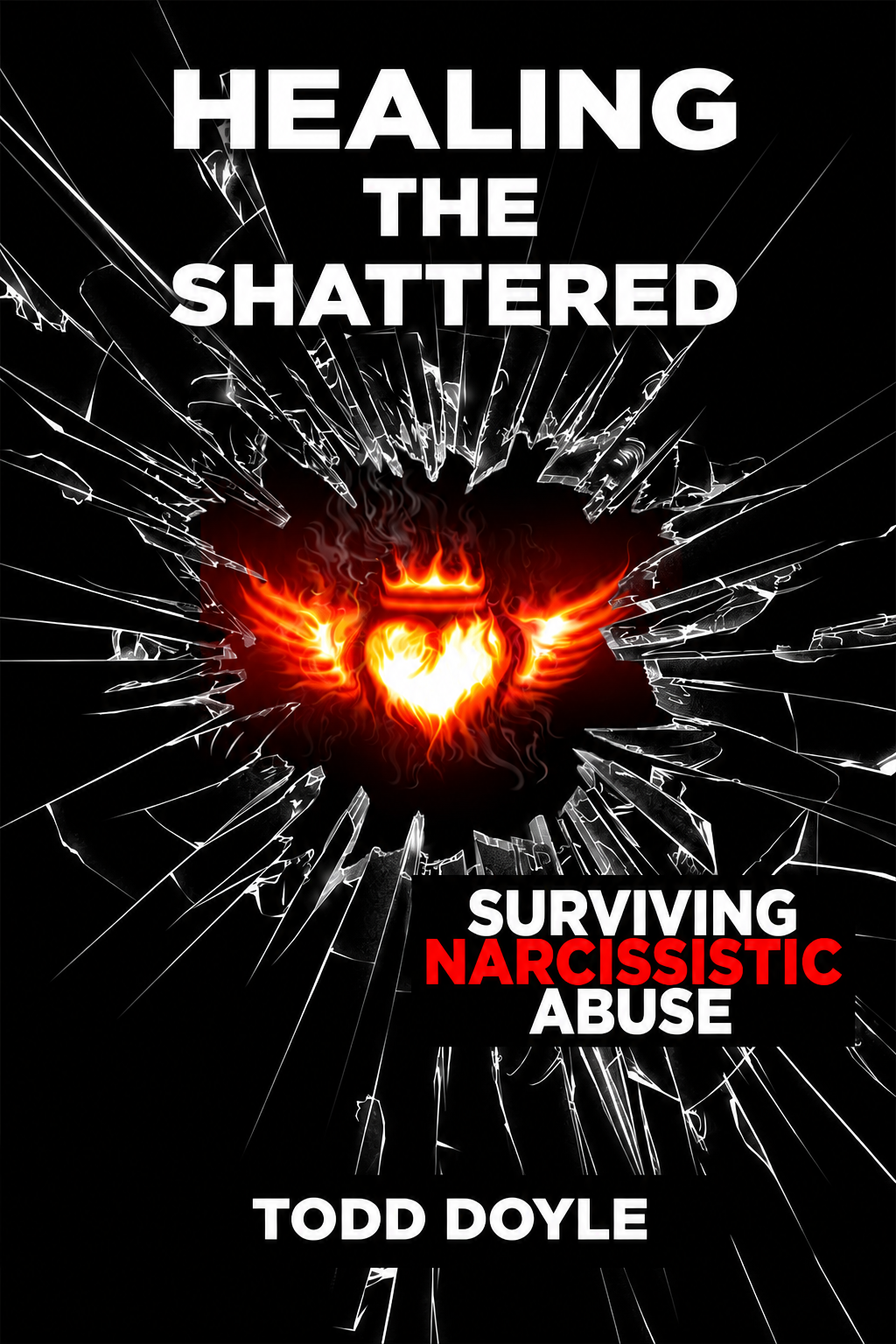


 Buy Paperback on Amazon
 Buy Signed Copy • PayPal