

By Todd Doyle, author of Healing the Shattered: Surviving Narcissistic Abuse
It is common, after an abusive relationship ends, to find your memory drifting toward the good moments, while the difficult ones feel distant or hard to access. This is not denial, and it does not mean the relationship was not actually harmful. It is a common pattern worth understanding rather than fighting.
Why This Happens
Good memories are often easier to sit with than painful ones, so the mind can gravitate toward them, especially once some time and distance exist. Nostalgia also tends to simplify: it keeps the warmth and loses the context the warmth happened inside of. It may also connect to how intermittent reward works: because the good moments were unpredictable, and emotionally intense moments tend to stick in memory more vividly than low-grade, ongoing difficulty does, the highs can end up disproportionately represented in memory, even when the harder stretches made up most of the relationship.
A Way to Balance the Picture
Keeping a written record, even a brief one, of specific difficult incidents while they are fresh can help you have something concrete to return to later, when memory alone is filling in a kinder picture than what actually happened. If you didn’t keep a record at the time, it can still help to write down, now, the specific incidents you do remember clearly, dates if you have them, details if they’re still vivid, rather than relying on a general impression that time will keep softening.
What to Do When the Longing Hits
If a wave of missing the good version of the relationship arrives, it can help to pair it deliberately with a specific hard memory, not to punish yourself, but to keep the picture honest. “I remember how it felt when things were good, and I also remember [specific incident]” is a more complete sentence than either half alone.
This Does Not Mean the Good Moments Were Not Real
Good moments in an abusive relationship can be genuinely real, and still not be the whole picture, or a reason to return. Both things can be true: the good memories are real, and the pattern that surrounded them was harmful.
See Trauma Bonding: Understanding Attachment in an Abusive Relationship for more on this pattern, and Intermittent Reinforcement in Relationships for why the good moments can feel so vivid.
This article provides general education and a survivor’s perspective. It does not diagnose another person or replace individualized mental health care or safety planning.
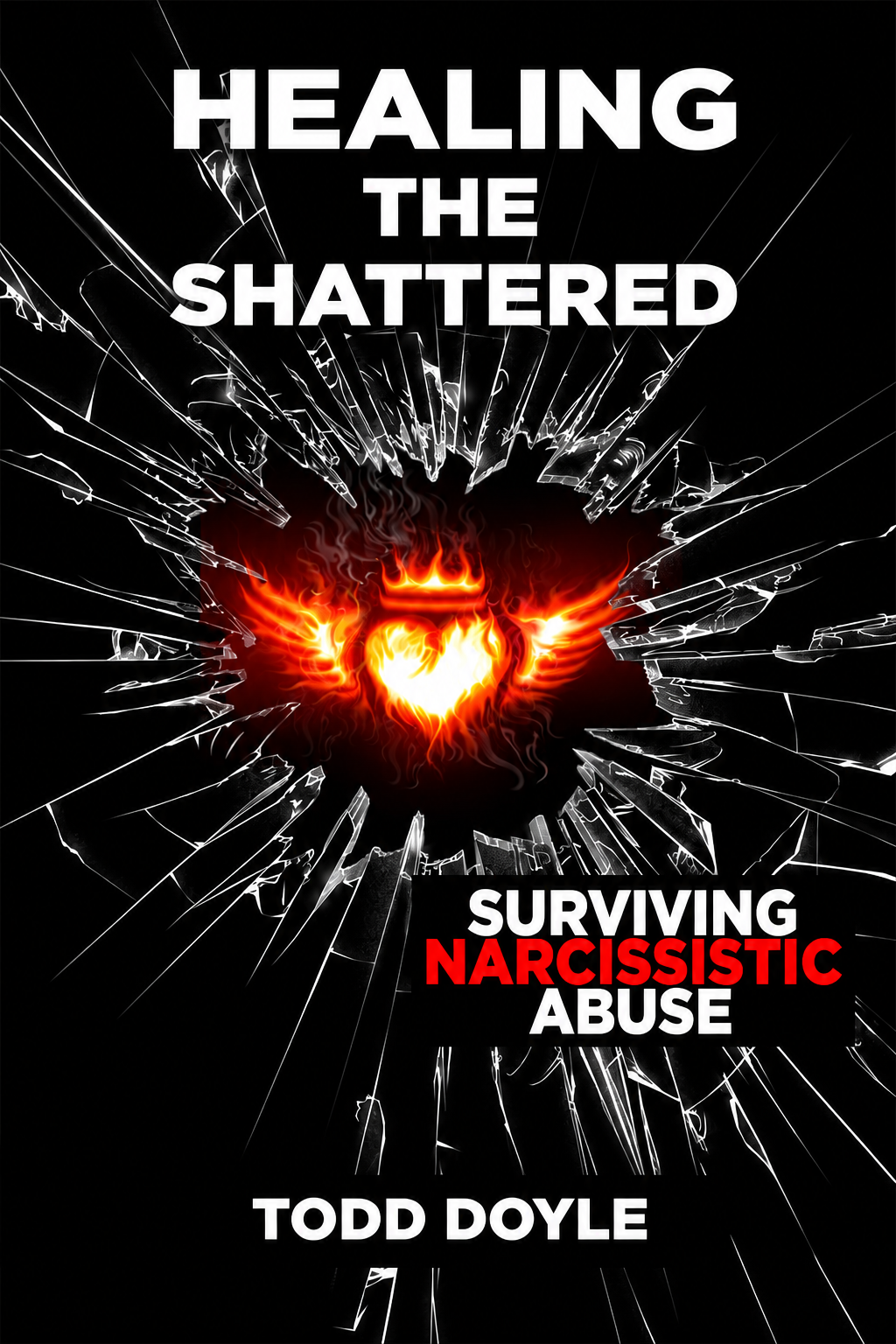


 Buy Paperback on Amazon
 Buy Signed Copy • PayPal