

For a long time after everything happened, I didn’t write at all – not journal entries, not notes, nothing. It wasn’t a conscious decision. It was more like a part of me that used to reach for words had quietly gone quiet, and I didn’t notice how long it had been until I tried to pick up a pen again and found I didn’t know where to start.
Why writing stopped in the first place
Looking back, I think writing requires a certain amount of trust in your own perspective – trust that what you noticed and felt is worth putting into words, trust that your version of events deserves to exist on the page. That’s exactly the kind of trust that gets eroded during narcissistic abuse. When your perceptions are constantly questioned or redirected, it makes sense that the part of you willing to commit a perspective to paper would go quiet too.
I didn’t consciously think “I can’t trust myself enough to write anymore.” It was quieter than that – more like the impulse to write simply stopped showing up, the way a habit fades when the conditions that supported it disappear. I didn’t miss it in any dramatic way at the time. I only noticed the absence much later, when I tried to return to it and found the path back less obvious than I expected.
What finally brought me back to it
The return wasn’t dramatic either. It started with small, private, specific notes – not essays, not chapters, just short records of things I’d noticed: a conversation that didn’t sit right, a pattern I was starting to see more clearly, a feeling I didn’t have a name for yet. I wasn’t writing to produce anything. I was writing to keep track of my own observations somewhere outside my own head, where they couldn’t be argued away in the moment.
That small, low-stakes writing turned out to matter more than I expected. Having a written record of what I’d actually noticed, in my own words, from a specific day, made it much harder to let later confusion erase what I already knew. Months afterward, rereading some of those notes, I found details I’d have otherwise forgotten or second-guessed into something vaguer and less certain.
The hardest part of starting again
The hardest part wasn’t technical – it wasn’t about sentence structure or finding the right words. It was about giving myself permission to write something before I knew what it meant yet. For a long time, I held onto an old standard: that writing needed a clear point, a tidy conclusion, something worth sharing. That standard made it almost impossible to start, because I didn’t have tidy conclusions. I had fragments, confusion, and half-formed observations.
What actually got me writing again was lowering that standard on purpose. I gave myself permission to write badly, incompletely, and privately – notes that existed only for me, with no obligation to turn into anything else. Paradoxically, that lower standard is what eventually let something more substantial grow. The book came much later, built out of material that started as exactly that kind of unpolished, private writing.
What changed about how I write now
I write differently now than I did before any of this happened. I trust a first draft less, and I’m more comfortable revising a sentence I got wrong the first time instead of treating an early version as a final verdict on whether I can write at all. I also give myself more room to write something and set it aside without finishing it, rather than treating every unfinished page as evidence that the attempt failed.
I think that shift mirrors something broader about recovery generally: the goal isn’t to return to exactly who you were before, as if nothing happened. It’s to build a working relationship with yourself – in this case, specifically with my own voice on the page – that can hold both the confidence to write something and the honesty that it might need revising later.
If writing has gone quiet for you too
If you recognize this – a creative impulse that went quiet during or after a difficult relationship, without a clear single moment you can point to – I don’t think there’s a formula for getting it back. What helped me was lowering the bar dramatically: private notes, not essays; observations, not conclusions; permission to be incomplete, not a requirement to produce something finished.
If part of you used to write, draw, make music, or create in some other way, and that part has gone quiet, it may still be there, the way mine was. It doesn’t need to come back in a dramatic burst. It can come back the way mine did – quietly, in fragments, long before any of it looks like something finished.
A note on sharing versus keeping private
I want to be clear that returning to writing doesn’t have to mean returning to sharing. Plenty of what got me back into the habit never left my own notebook, and I don’t think it needed to. There’s a real difference between writing to process something for yourself and writing something intended for other people to read, and conflating the two too early can make the return feel more intimidating than it needs to be.
If you’re thinking about writing again, I’d separate those two questions. The first is simply: can I put words to what I’m noticing, for no audience but myself? The second – whether any of it is ever meant for other people – can wait, sometimes for a long time, sometimes indefinitely. My own book came from years of private notes before I ever considered that any of it might become something other people would read. There was no requirement that it eventually become that. It just happened to, much later, after the private writing had already done its own quieter work.
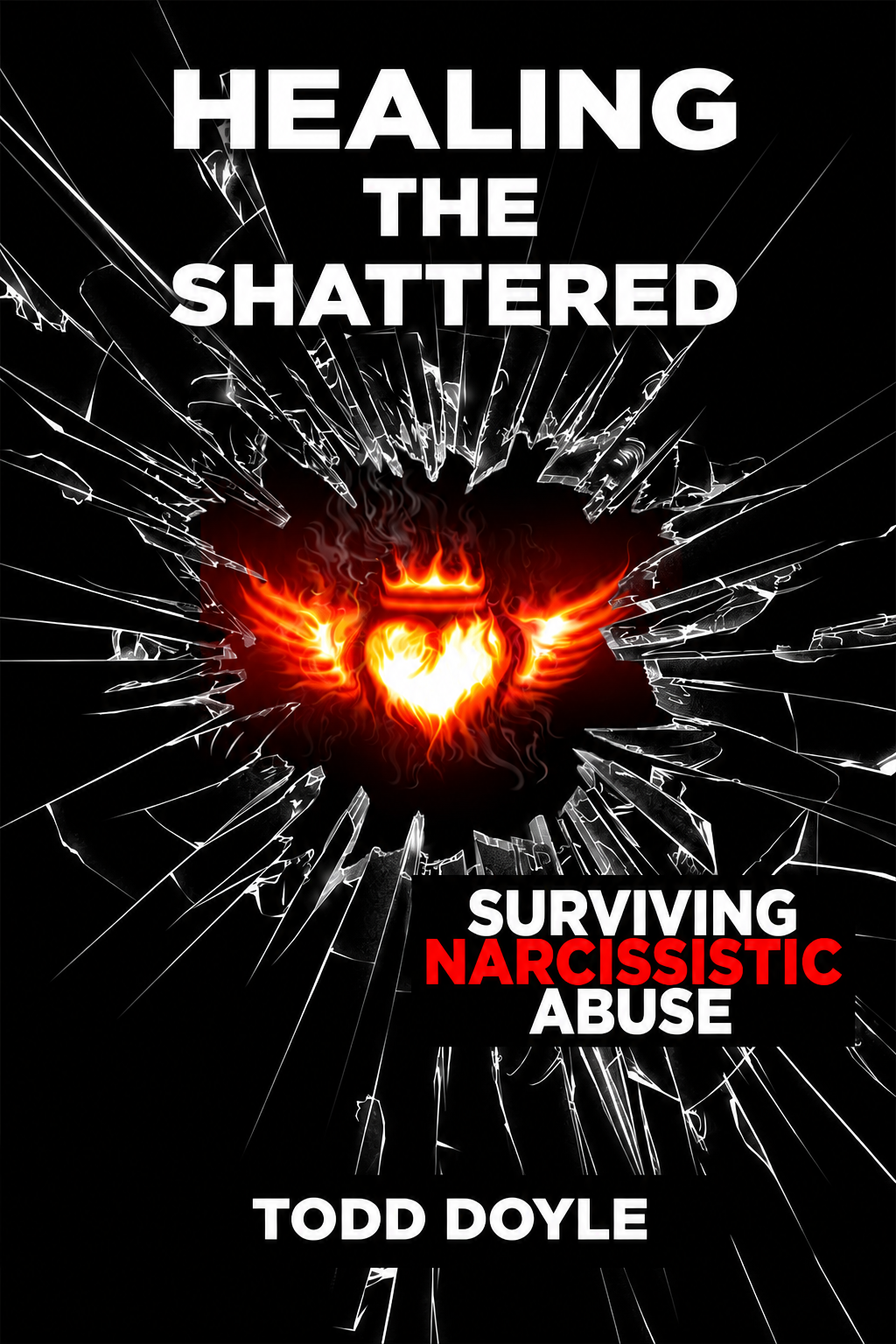

 Buy Paperback on Amazon
 Buy Signed Copy • PayPal