

Watching someone you care about go through an abusive relationship is its own kind of hard. You can see things they may not be ready to see yet, and the instinct to fix it, or to tell them exactly what to do, is completely understandable. It’s also often not what actually helps.
The Core Idea Across This Whole Guide
Support that respects their pace and their autonomy tends to keep the relationship between you intact, which matters, because your relationship with them may be one of the few places they still feel safe being honest. Support that pushes, pressures, or gives ultimatums often backfires, sometimes pushing them closer to the person causing harm rather than away, since it can make you feel like one more person trying to control their choices.
Listening Without Trying to Fix It
The most useful thing you can usually do, especially early on, is listen without immediately moving into advice-giving. That doesn’t mean staying silent about your concern; it means leading with listening rather than a list of what they should do. A concrete example: if they tell you about an incident, a response like “that sounds really hard, how are you doing with it” opens the conversation further. A response that jumps straight to “you need to leave” or “have you called a lawyer yet” often closes it, even when the advice itself is reasonable. For the specific first conversation where someone discloses abuse to you, see What to Say When Someone Tells You They Are Being Abused, which goes deeper on exactly that moment.
Practical Support, With Their Consent
Concrete help is often more useful than advice, but it still works best when offered rather than imposed. Instead of researching shelters and presenting a plan, try asking “would it help if I looked into some resources, or would you rather I just listen for now?” Other genuinely useful, low-pressure offers: being a phone number they can call at any hour, helping research options only when asked, offering a place to stay without conditions attached, or simply checking in regularly so they don’t feel forgotten between conversations.
Respecting Decisions You Don’t Agree With
One of the hardest parts of supporting a survivor is watching them stay, or go back, when you can see clearly that the relationship is harmful. On average, survivors leave and return to an abusive relationship multiple times before leaving for good, often for reasons that make complete sense from inside the relationship: finances, children, fear, hope that things will change, even if they’re hard to understand from outside it. Pulling back your support when they make a choice you disagree with teaches them that your care was conditional, which can make them less likely to come back to you the next time they need someone. Staying steady, even through a decision you wouldn’t make yourself, is often what keeps that door open long-term.
Protecting Your Own Limits While You Support Them
Supporting someone through an abusive relationship is genuinely demanding, and it’s reasonable to have limits on what you can give, especially over a long period of time. That can mean being honest when you need a break from the subject in conversation, setting a boundary with the person causing harm if they try to involve you directly, or seeking your own support, a friend, a therapist, so you’re not carrying this entirely alone. None of this is a betrayal of the person you’re supporting; a supporter who burns out helps no one.
What Not to Do
- Don’t give ultimatums (“it’s them or me”) — this usually forces a choice that pushes them away from you specifically, not from the relationship.
- Don’t confront the abusive partner directly without the survivor’s knowledge and consent — it can escalate danger for them after you’ve left.
- Don’t share what they’ve told you with others without asking first, even people you think would be supportive — it’s not your information to pass along.
- Don’t keep score of how many times they’ve gone back, or bring it up as evidence against believing them this time.
Getting Professional Support Involved
You are not expected to be their only resource, and you’re not equipped to replace professional support, nor should you try to be. A domestic violence advocate can talk through options with them directly and confidentially, and a therapist can help with the deeper work once they’re ready for it. If you believe someone is in immediate physical danger right now, call 911. The National Domestic Violence Hotline (800-799-7233, or text START to 88788) is not an emergency dispatch line; it’s confidential advocate support and safety planning, available for you to call on their behalf if you’re trying to figure out how to help, or for them to call directly whenever they’re ready.
Related Reading
- Why “Just Leave” Can Shut Down a Conversation About Abuse
- Practical Ways to Help an Abuse Survivor Without Taking Control
For the practical specifics people in this situation often ask about, see What to Say When Someone Tells You They Are Being Abused.
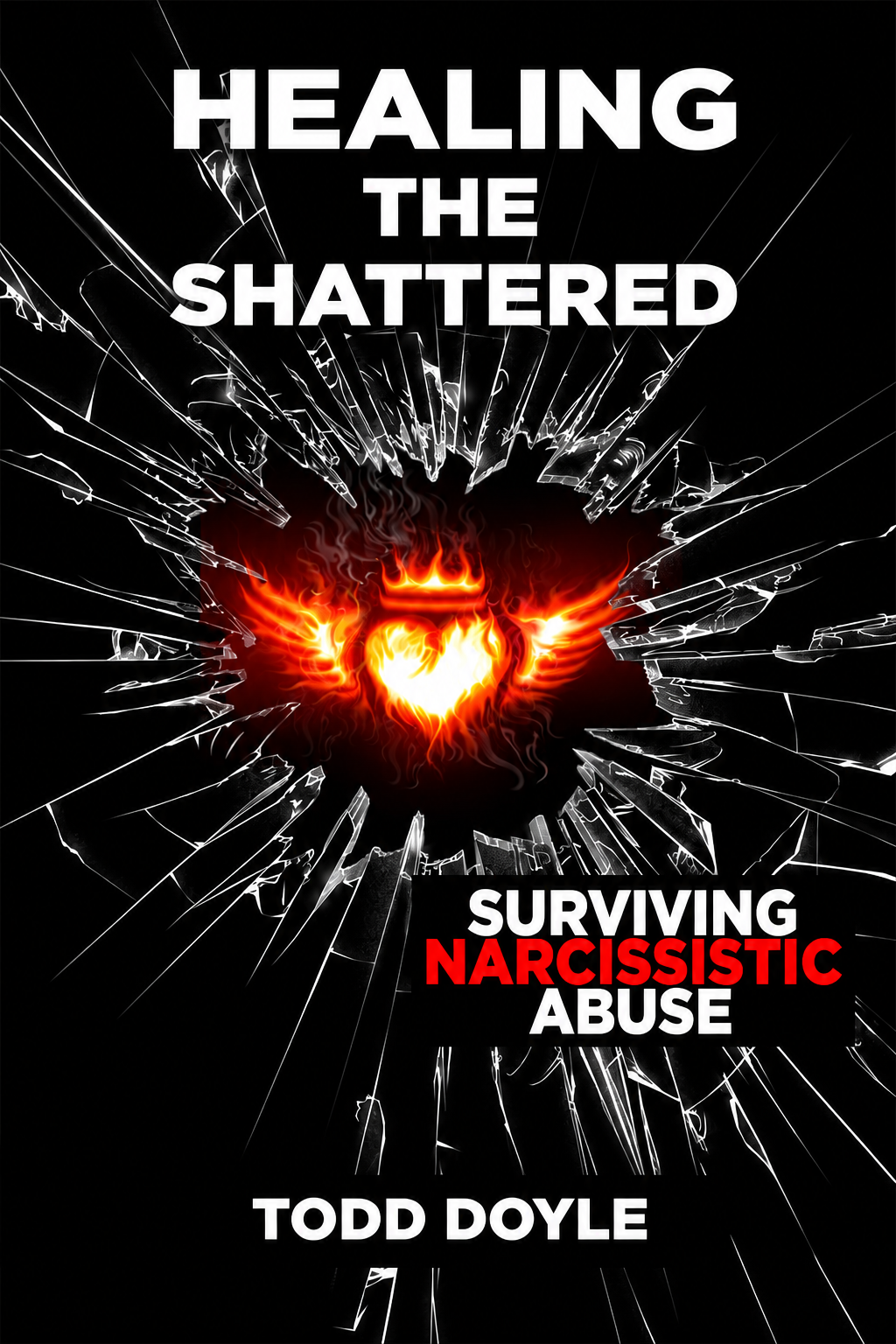

 Buy Paperback on Amazon
 Buy Signed Copy • PayPal