
Enmeshment describes a relationship, often a family relationship, where individual boundaries are so blurred that one person’s emotions, decisions, or identity become inseparable from another’s. It’s easy to mistake for closeness, since both can look intense and involved from the outside. They work very differently underneath.
What Healthy Closeness Looks Like
In a healthy close relationship, two people can be deeply connected while still having separate feelings, opinions, and identities. Disagreement doesn’t threaten the relationship. One person’s bad day doesn’t require the other to feel the same way to prove loyalty.
What Enmeshment Looks Like
In an enmeshed relationship, separateness itself can feel like a threat. A child’s different opinion might be treated as betrayal. A partner’s bad mood might be something you feel personally responsible for fixing or absorbing. Privacy, even reasonable privacy, can be treated as suspicious or hurtful.
Why This Matters in Recovery
If you grew up in, or were in a relationship shaped by, enmeshment, healthy independence in a new relationship can initially feel wrong, distant, even unloving, simply because it’s unfamiliar. Learning to tolerate that discomfort, rather than reading it as a problem, is often part of building something genuinely healthier.
For more on reconnecting with a separate sense of self, see Reconnecting With Your Identity After a Controlling Relationship.
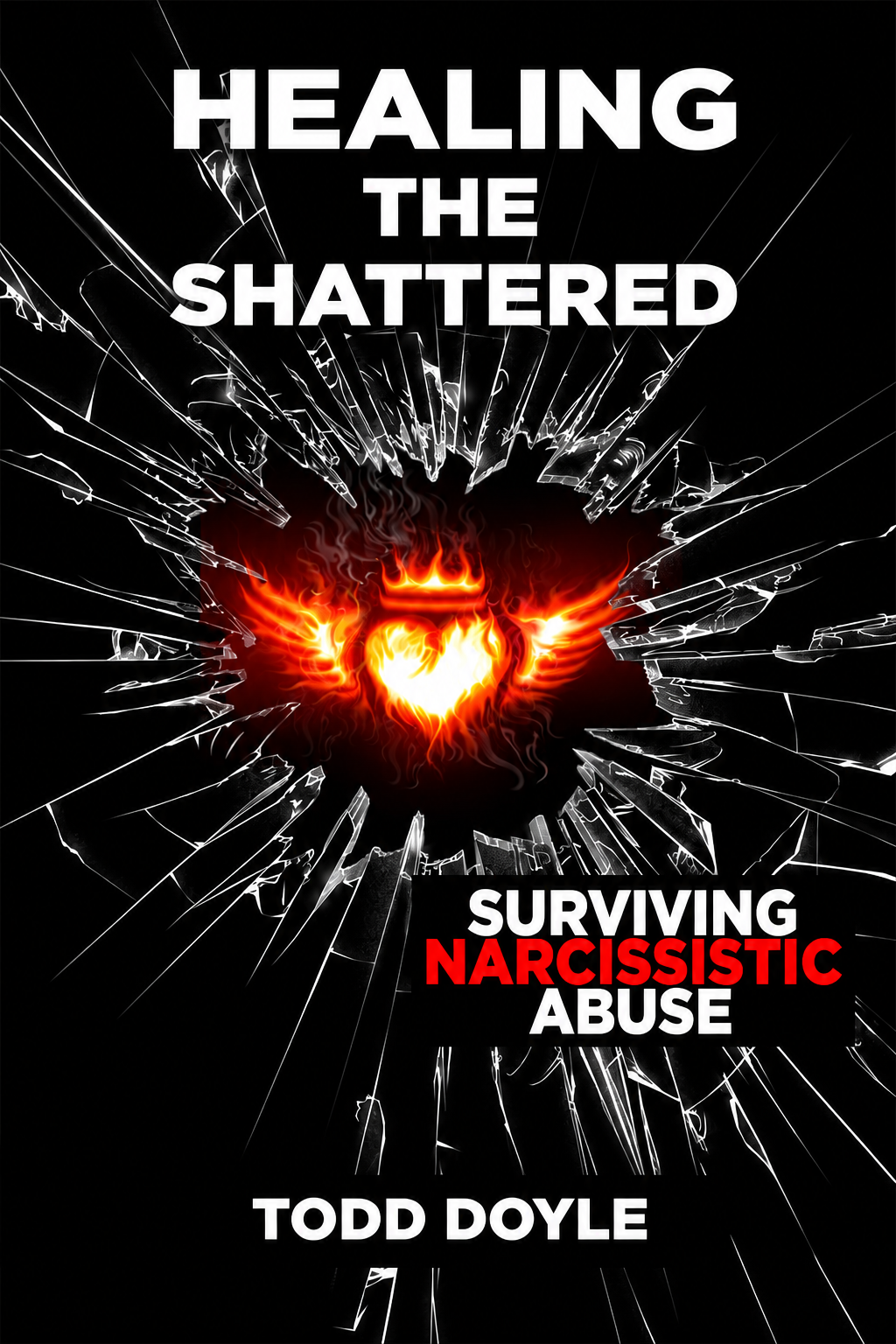
 Buy Paperback on Amazon
 Buy Signed Copy • PayPal