

Telling a friend about abuse and having them doubt you, minimize it, or take the other person’s side can feel almost as destabilizing as the abuse itself. Here’s how to think about it, and what’s actually worth doing next.
Why this happens more often than you’d expect
Someone who presents well publicly – charming, reasonable, likable in group settings – can make your account genuinely hard for others to square with their own experience of that person. This isn’t necessarily your friend being careless or cruel. They may be comparing your description against their own limited, public-facing experience of someone who behaves very differently behind closed doors.
It also doesn’t help that abuse rarely looks like a single dramatic incident a friend can clearly evaluate. It’s usually a pattern, built from many smaller moments that are each individually explainable, and genuinely hard to convey fully in one conversation. Your friend is often working with an incomplete picture, not maliciously, but because the full pattern took you time to see clearly yourself, and it’s even harder to transmit secondhand.
What not to do with that disbelief
It’s tempting, when a friend doesn’t immediately believe you, to escalate – more details, more evidence, more insistence, in the hope that enough of it will finally land. I’d gently caution against that instinct, at least as a first response. Piling on more information in the moment often reads as excessive to someone who isn’t yet oriented to the pattern, even when every detail is true, and it can leave you feeling worse without actually changing their reaction.
It’s also worth resisting the urge to conclude that your friend’s doubt proves you were wrong. One person’s initial skepticism, especially someone without full context, isn’t evidence about what actually happened. Your experience doesn’t require universal, immediate validation to be real.
What’s actually more useful
Give the specific, concrete example rather than the general pattern, at least as a starting point. “They constantly criticize me” is easy to wave away as a personality clash. “Last week they told our friends I was lying about something I know is true, in front of me, and then acted confused when I was upset” is harder to dismiss, because it’s something your friend can actually picture.
Ask your friend directly what would help them understand, rather than assuming more volume of the same kind of explanation will do it. Sometimes what’s missing isn’t detail, but context about the pattern over time – something like “this specific incident isn’t really about one moment; it’s part of something that’s been building for a while.”
What if they still don’t come around
Some people, even well-intentioned ones, won’t fully grasp a dynamic they haven’t personally witnessed, no matter how clearly you explain it. That’s a real limitation of secondhand understanding, not necessarily a verdict on your friendship or your credibility. You can hold both things at once: this specific friend may never fully see what you’re describing, and your account of your own experience can still be entirely trustworthy.
If a friend’s skepticism turns into repeated pressure for you to reconsider your own account, or active defense of the person who hurt you, that’s worth naming directly and taking seriously as its own problem – separate from the original situation. You’re allowed to need something different from a friendship than ongoing debate about whether your own experience was real.
Finding people who will actually understand
Not every friend needs to fully grasp every detail of what you went through for the friendship to remain valuable in other ways. But you likely do need at least some people – whether friends, a support group, or a therapist – who can hear your account without needing to be convinced first. Support groups specifically for survivors of narcissistic abuse can matter here in a way general friendships sometimes can’t, because the baseline understanding doesn’t need to be rebuilt from scratch every time you speak.
Where this leaves you
A friend’s initial doubt doesn’t erase what happened to you, and it doesn’t mean you explained it badly. Some patterns are genuinely hard to convey secondhand, especially when the person involved presents well in public. Your job isn’t to achieve universal belief from everyone you tell – it’s to find enough real support, from people capable of hearing you without requiring convincing, to not have to carry this entirely on your own.
A brief word if you’re the friend reading this instead
If you’re on the other side of this – someone has told you about a relationship that doesn’t match your own experience of that person – the most useful first response is usually simpler than it feels: believe them enough to listen without needing proof first, and let your own limited view of someone else’s public behavior be exactly that – limited, not disqualifying. You don’t need to fully understand the pattern immediately to offer real support in the meantime.
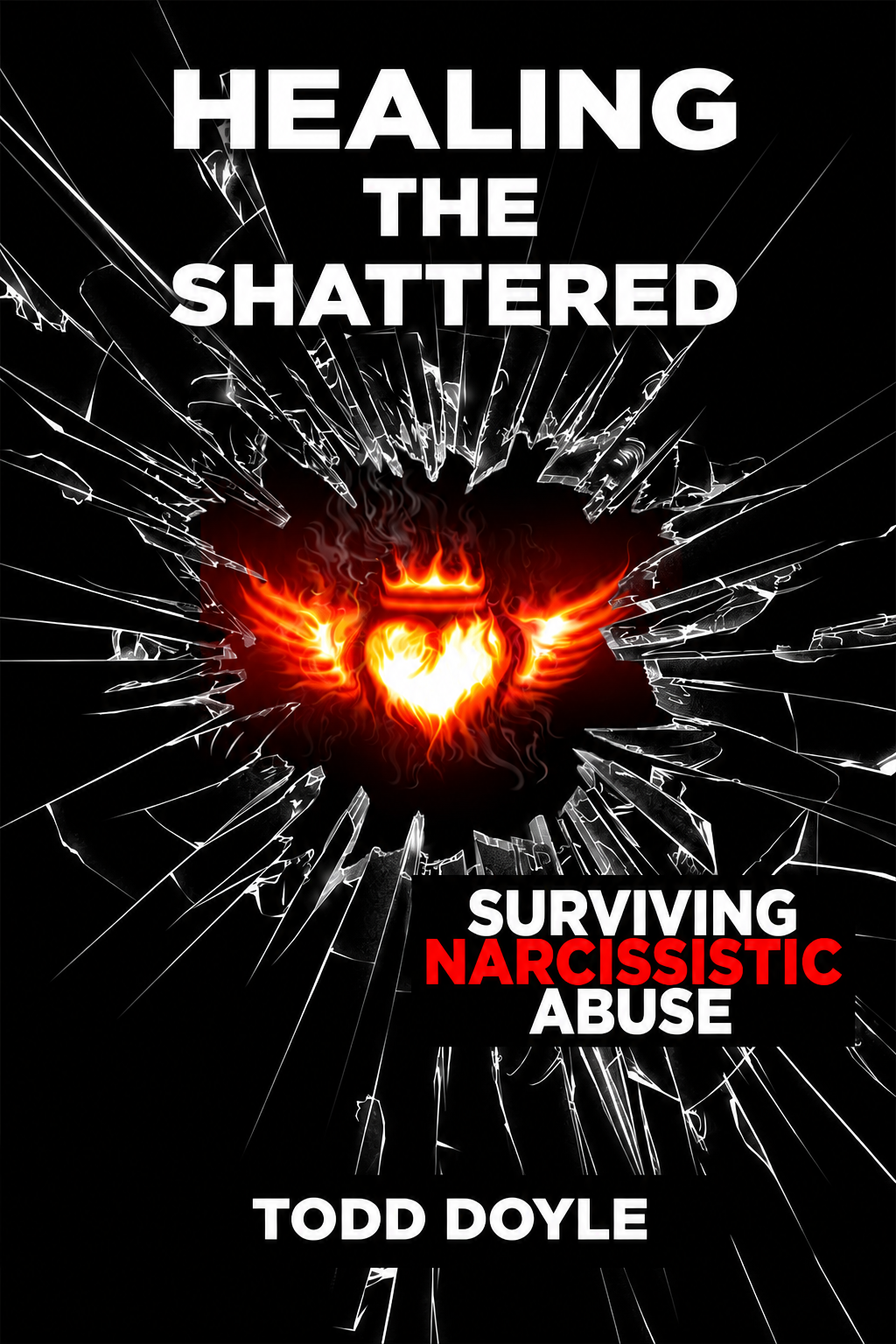



 Buy Paperback on Amazon
 Buy Signed Copy • PayPal