

I didn’t write Healing the Shattered for everyone, and I think that’s worth saying plainly. I wrote it for a specific reader: someone sitting with a relationship they can’t quite explain to the people around them, who already suspects something is wrong but doesn’t yet have language for it.
The reader I had in mind
When I started writing, I kept picturing a version of myself from years earlier. Someone who had already noticed the confusion, the walking-on-eggshells feeling, the sense that explanations never quite landed the way they should. Not someone looking for a diagnosis to hand their partner, and not someone looking for a reason to feel like a victim. Just someone trying to understand their own experience clearly enough to trust it.
That distinction mattered to me while writing. I wasn’t trying to reach people who wanted ammunition for an argument. I was trying to reach people who wanted their own confusion to make a little more sense, so they could stop spending so much energy trying to explain it to themselves.
Who I wasn’t writing for
I want to be honest about the limits here too. I wasn’t writing a clinical textbook, and I’m not a clinician. I’m not writing for someone who needs a diagnosis for a partner, a formal assessment, or a legal document. Those are real needs, but they belong with a qualified professional, not with one survivor’s book.
I also wasn’t writing for an audience looking for a villain to point at. It would have been easy to write the book that way — simpler, maybe even more satisfying in the moment — but it wouldn’t have been honest, and it wouldn’t have been as useful to the reader I actually cared about reaching.
What changed as I kept writing
I expected, going in, that I was writing mostly for people early in recognizing a pattern — the “something is off but I can’t name it yet” stage. What I didn’t fully expect was how much the book would also end up being for people much further along: people who had already left, already done the hard work of leaving, and were still circling back to understand what had actually happened to them.
That second group surprised me. I thought clarity was mostly useful in the moment you’re deciding what to do. It turns out it’s just as useful years later, when you’re trying to make sense of a chapter of your life that otherwise stays blurry. A few early readers told me the book helped them understand something they’d lived through a decade earlier, not something they were currently in. I hadn’t written with that reader specifically in mind, but I was glad the book reached them anyway.
Why the intended reader still matters
I bring this up because I think it’s useful for anyone picking up the book to know what it is and isn’t trying to do. It’s not a diagnostic manual. It’s not a universal theory of every difficult relationship. It’s one survivor’s attempt to put language around a specific, recognizable pattern, written for the person who needs that language more than they need a verdict about someone else.
If you’re reading this and you’re not sure whether the book is “for you,” here’s the honest answer: it’s for you if you’re trying to understand your own experience more clearly, on your own terms, without needing anyone else’s permission to take it seriously. It’s less useful if what you’re actually looking for is a case to present to someone else. Those are different needs, and I wrote toward the first one.
One thing I’d add now
If I were describing the intended reader again today, I’d add one more detail: I was also writing for whoever needed permission to stop performing certainty they didn’t feel. A lot of survivors I’ve heard from describe pressure to have a clean, confident narrative about what happened to them, right away. I wasn’t writing for someone who already had that. I was writing for someone still figuring it out, one honest observation at a time, and I wanted the book to meet them there instead of asking them to arrive somewhere more resolved first.
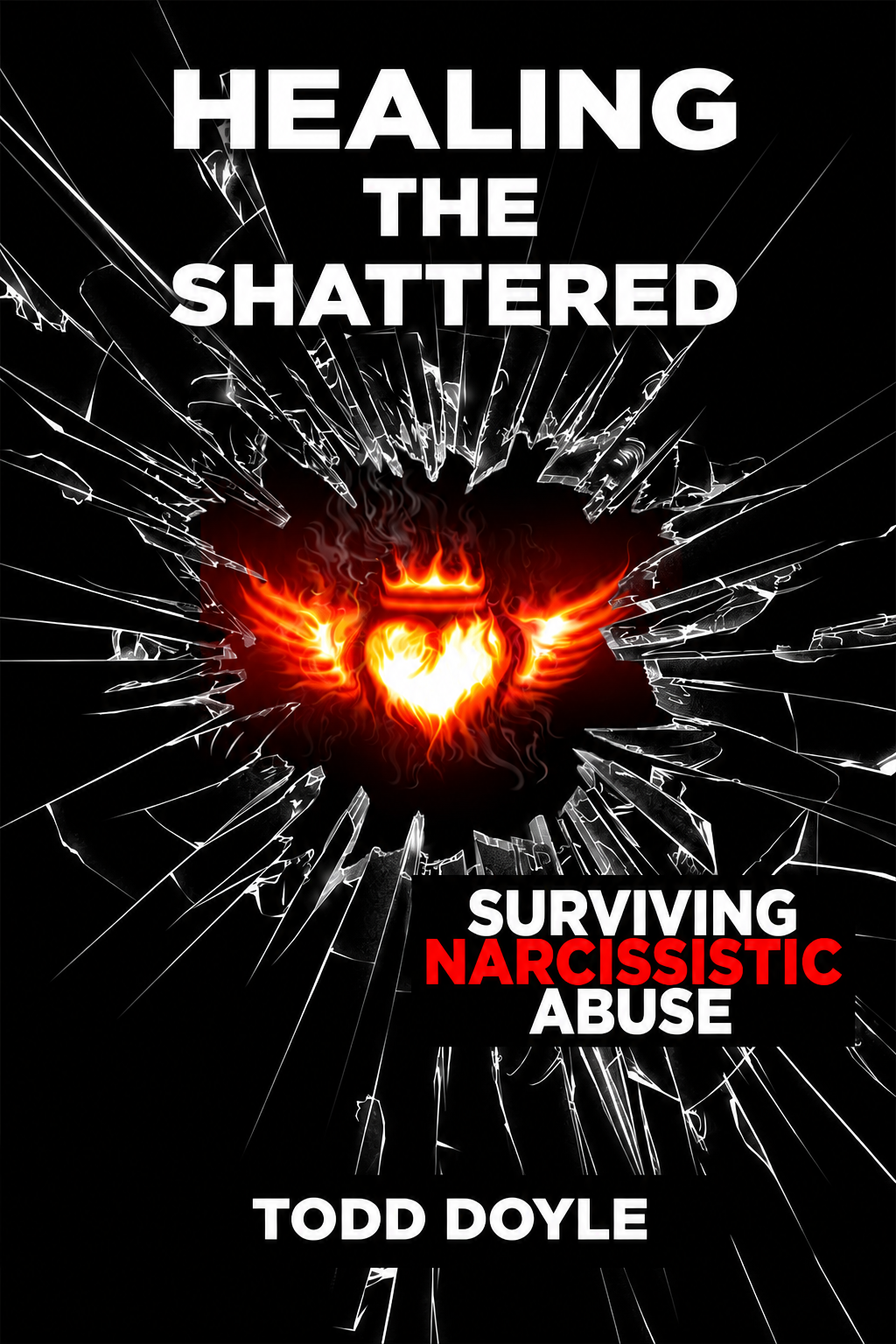
That’s who Healing the Shattered: Surviving Narcissistic Abuse was actually written for — not a universal reader, a specific one. If that’s where you are right now, I hope it’s useful. If it isn’t where you are, that’s useful information too.
A scene I remember from early drafts
In an early draft, I tried writing a chapter aimed at a much broader audience — general readers who had never been in a relationship like the one I was describing, people reading more out of curiosity than need. It read fine on the page, but something about it felt hollow when I reread it. I realized I’d written it to be impressive rather than useful, and those aren’t the same goal.
I cut most of that chapter. What replaced it was more specific and, honestly, less polished in places — closer to how someone actually talks when they’re trying to explain a confusing relationship to a friend, not how a book “should” sound. That felt like the right trade. I’d rather the right reader feel accurately met than have a wider readership feel mildly entertained.
What I hope happens after someone reads it
I don’t expect the book to resolve anything on its own. I don’t think any book does that, and I’d be wary of one that claimed to. What I hope is smaller and, I think, more realistic: that a reader closes it with slightly more language than they had before, and slightly less pressure to have already figured everything out.
If someone finishes it and feels like their experience was described accurately rather than diagnosed or dramatized, that’s the outcome I was writing toward. Anything beyond that — feeling ready to set a boundary, deciding to seek outside support, simply feeling less alone in a specific moment — is welcome, but it was never something I could promise, and I was careful not to write as if I could.
So if you’re deciding whether this book is for you: it was written for the reader trying to understand their own experience honestly, at whatever pace that takes, not for someone looking for a quick verdict about another person. If that’s the reader you are right now, I hope it meets you well.


 Buy Paperback on Amazon
 Buy Signed Copy • PayPal