

By Todd Doyle, author of Healing the Shattered: Surviving Narcissistic Abuse
A boundary, a request, and an ultimatum can sound similar in the moment, but they do different jobs. A request asks someone to change. A boundary describes what you will do yourself, regardless of whether they change. An ultimatum demands a specific change under threat of a specific consequence. Confusing the three can leave you waiting on someone else’s cooperation when you meant to describe your own actions.
That distinction matters more than it sounds. Many people set what they call a “boundary” and then feel betrayed when the other person doesn’t honor it—because what they actually set was a request, and a request can always be declined.
A request: asking someone else to change
“Please stop checking my phone.” “Can you talk to me without yelling.” “I need you to follow through on what you say.” These are requests. They name a desired change in someone else’s behavior. Requests are reasonable to make, and many relationships run on them. But a request’s success depends entirely on the other person’s willingness to grant it.
In a relationship with a pattern of manipulation or control, a request alone rarely produces lasting change, because the person has no obligation to follow through, and a history of broken promises is one of the signs discussed in Apologies Without Change: What Meaningful Repair Would Involve.
A boundary: describing your own action
“If the conversation becomes insulting, I will end the call.” “I will not discuss this while either of us has been drinking.” “I’m not sharing my passwords.” A boundary identifies what you will do. It does not require the other person’s agreement to take effect, because you are the one carrying it out.
This is the structure covered in more detail in my article Setting Boundaries After Narcissistic Abuse: a boundary is an action you control, not a change you’re hoping to receive. That’s what makes it something you can actually keep, even if the other person never agrees it’s fair.
An ultimatum: a demand backed by a threat
“Stop texting her or I’m leaving.” “Apologize right now or I’m done.” An ultimatum names a required change in someone else, attached to a specific consequence if they refuse. Ultimatums aren’t inherently wrong—sometimes a relationship genuinely has reached a point where a specific behavior has to stop or the relationship ends, and saying so plainly can be honest and necessary.
The risk is when an ultimatum is used repeatedly without follow-through. Each unenforced ultimatum teaches the other person that the stated consequence isn’t real, which can make future limits—including genuine boundaries—easier to dismiss. An ultimatum you don’t intend to enforce functions more like a (very forceful) request.
| Statement | What it actually is | Depends on |
|---|---|---|
| “Please stop raising your voice at me.” | Request | Their willingness to change |
| “If you raise your voice, I will leave the room.” | Boundary | Your own follow-through |
| “Stop raising your voice or I’m ending this relationship.” | Ultimatum | Your willingness to enforce the stated consequence |
Why the difference matters in practice
If you call something a boundary but it’s actually a request, you may find yourself re-stating it over and over, growing more frustrated each time it isn’t honored—because a request has no enforcement mechanism built in. If you call something a boundary but it’s actually an ultimatum, you may feel pressure to follow through on a major consequence (like ending the relationship) before you’re ready, simply because you said it out loud.
Naming the category honestly helps you choose the right tool for the situation: a request when you genuinely just want to ask; a boundary when you want something you can control regardless of their response; an ultimatum only when you mean it and are prepared to follow through.
Common questions
Can a boundary become an ultimatum?
Sometimes the same words describe either, depending on what comes next. “I won’t stay on this call if you’re yelling” is a boundary if you hang up. It functions as an empty threat if you say it and then stay on the call anyway.
Is it wrong to make requests?
No. Healthy relationships run on requests constantly. The issue is relying only on requests when a pattern has shown that requests alone don’t lead to change.
What if I’m not ready to follow through on an ultimatum?
Then it may be more honest, and more sustainable, to set a boundary instead—something you can act on yourself—while you take more time to decide what you want to do about the relationship as a whole.
Where this fits in the bigger picture
Telling a request, a boundary, and an ultimatum apart is a small skill with a large payoff.
Learning to tell a request, a boundary, and an ultimatum apart is one piece of a larger process of protecting your time, your safety, and your sense of self.
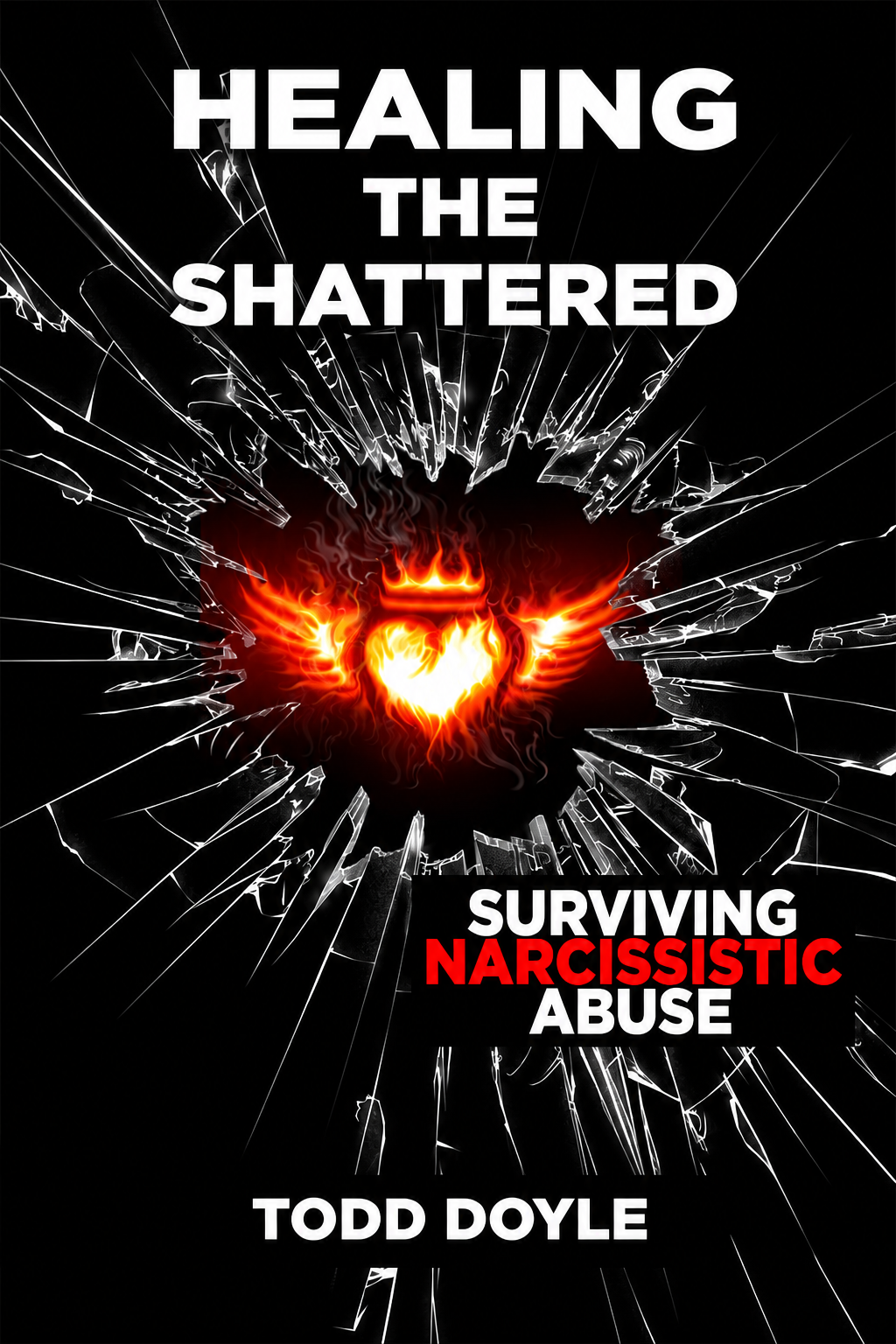
My book, Healing the Shattered: Surviving Narcissistic Abuse, walks through this same ground in more depth, alongside my own account of learning these distinctions the hard way and DSM-5 coverage of narcissistic personality disorder. It’s out now as an Amazon paperback, and I also sell signed copies directly if you’d rather order from me.
This article offers general education and a survivor’s perspective. It isn’t a diagnosis of anyone else, and it doesn’t replace individual mental health care.

 Buy Paperback on Amazon
 Buy Signed Copy • PayPal