

A relationship that involved withheld affection, unpredictable attention, or real threats of being left can teach a lasting fear of abandonment, one that doesn’t necessarily end when the relationship does. It often follows into new relationships and friendships, sometimes in ways that are hard to recognize from the inside.
How It Can Show Up Later
- Reading neutral signals as rejection, a slow reply or a canceled plan registering as evidence you’re about to be left
- Over-functioning to prevent it, working harder than the relationship calls for to keep someone from leaving
- Pulling away first, as a way of controlling when and how a loss happens, rather than waiting for it
- Difficulty trusting consistency, even when a new person’s behavior is genuinely steady
This Is a Learned Response, Not a Flaw
None of this means something is wrong with you, and it doesn’t mean you’re destined to repeat old patterns. It means a real threat, inconsistent or withheld affection used as a form of control, taught your nervous system to stay alert for it. Recognizing the pattern when it shows up is usually the first step toward loosening its grip, well before it fully resolves.
What Tends to Help
Naming the fear out loud, to yourself or someone safe, when you notice it happening in the moment. Giving new relationships time to actually demonstrate consistency rather than assuming the worst preemptively. And, where it feels stuck, working with a therapist familiar with relational trauma, since this pattern often responds well to that kind of support. For the broader recovery context, see Healing After Narcissistic Abuse: A Practical Recovery Guide.
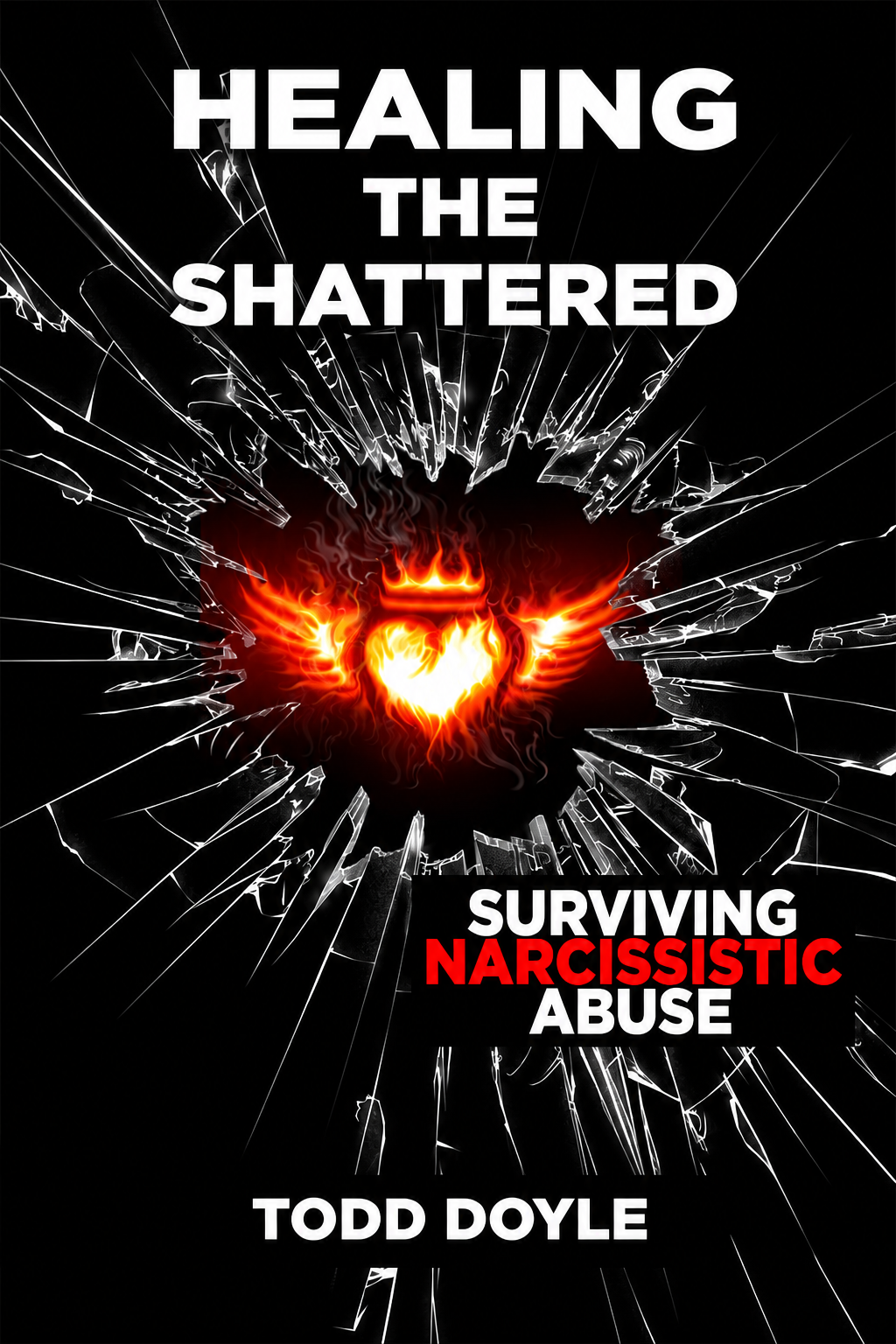
 Buy Paperback on Amazon
 Buy Signed Copy • PayPal