

Knowing you need a boundary and actually holding one in the moment are two different skills. With a narcissist, the gap between them gets wider. The second you draw a line, you may face dismissal, guilt, escalation, or a flat denial that the conversation even happened. Having the exact words ready before you need them is often what makes the difference between caving and holding firm.
These are boundary scripts: short, prepared sentences you can say when a line gets crossed, built in advance so you’re not improvising while your nervous system is already on alert.
These scripts work best as part of a broader plan. If you haven’t yet identified the specific limit you need or decided what action you’ll take when it’s crossed, start with Setting Boundaries After Narcissistic Abuse: Practical Steps to Protect Yourself.
Why Scripts Work Better Than Winging It
A narcissist is often skilled at finding the gap in an unprepared response, the hesitation, the over-explaining, the moment you start justifying a boundary that never needed justifying. A script closes that gap. You already know what you’re going to say, so there’s less room for the conversation to be pulled off course. The goal isn’t to win the exchange. It’s to say what you need to say and stop.
When They Dismiss Your Feelings
“I hear that you see it differently. My experience is still valid. I’m not asking you to agree with my feelings. I’m asking you to acknowledge they exist.”
This script doesn’t ask for permission to feel something. It states the feeling as fact and moves on.
When They Gaslight You
“I trust my memory. I’m not going to debate what happened.”
You don’t owe a point-by-point defense of your own recollection. One flat sentence, said calmly, is often stronger than a detailed argument.
When They Escalate
“I can see this is getting heated. I’m going to take thirty minutes. I’m not abandoning this conversation, I’m protecting it so we can come back to it with more clarity.”
Stepping away isn’t losing. It’s refusing to continue a conversation once it stops being safe or productive.
When They Guilt-Trip You
“I understand you’re hurting. I care about that. And I’m still going to hold this boundary because it’s what I need to stay healthy in this relationship.”
Notice this script doesn’t deny their feelings or argue them out of it. It simply refuses to let someone else’s discomfort override your own need.
The Broken Record Technique
When a boundary keeps getting tested, repetition is your friend. Pick one plain sentence and repeat it, without adding new justifications each time: “I’ve made my decision.” “That doesn’t work for me.” “I’m not going to discuss this further.” The power of this technique is in its sameness. There’s nothing new to argue with.
What All of These Have in Common
Every script above is behavioral, not emotional. None of them ask the other person to understand, agree, or feel differently. None of them over-explain. A boundary doesn’t require a narcissist’s approval to be valid, and a longer explanation rarely earns one. State it, hold it, and let the sentence do the work you’ve already decided it should do.
If you’re in a relationship where boundaries are met with real danger rather than just resistance, scripts are not a substitute for safety planning. A therapist experienced in narcissistic abuse, or a domestic violence advocate, can help you build a plan that fits your specific situation.
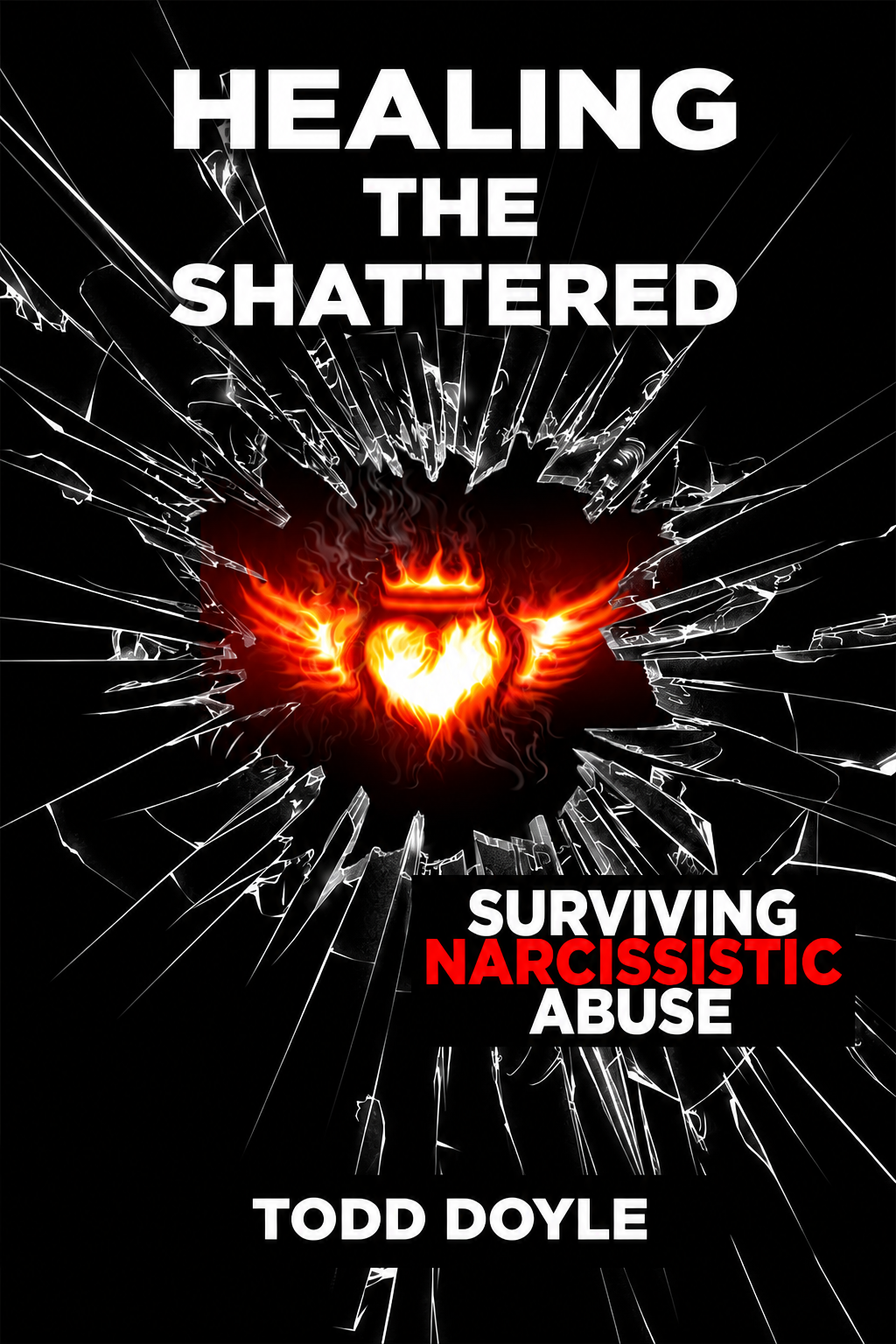


 Buy Paperback on Amazon
 Buy Signed Copy • PayPal