

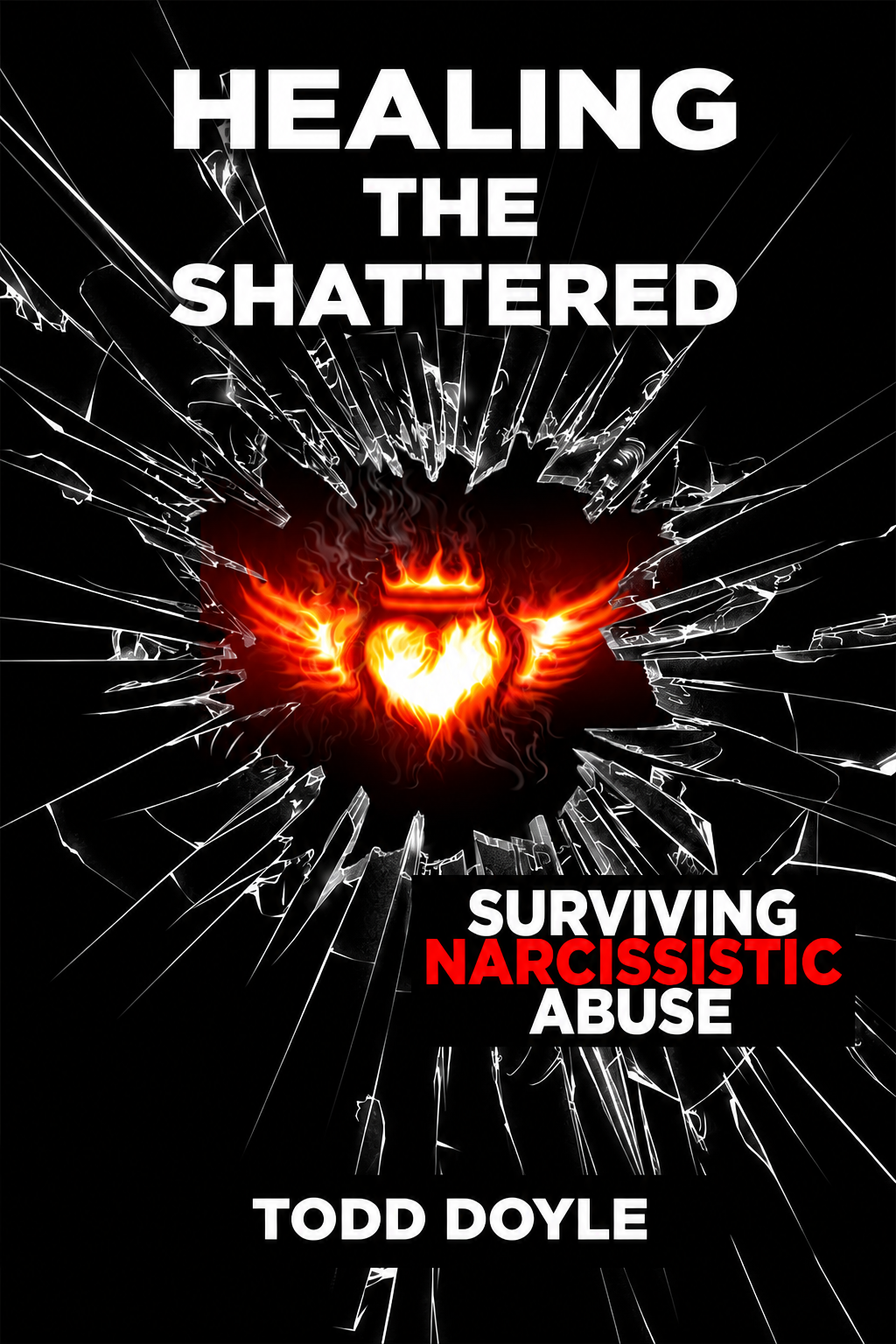
By Todd Doyle, author of Healing the Shattered: Surviving Narcissistic Abuse
Yes. Emotional abuse is not limited by gender, and men experience it in romantic relationships, families, and other relationships, just as women do. The behaviors, manipulation, control, belittling, isolation, look largely the same regardless of who is experiencing them.
Barriers Men Often Face
- Being told, by others or by themselves, that a man should be able to handle it, or that it is not really abuse if he is physically larger or stronger than his partner.
- Fewer resources explicitly designed with male survivors in mind, which can make seeking help feel like it was not built for you.
- Skepticism from friends, family, or professionals who assume abuse primarily flows in one direction.
- Added hesitation around appearing weak, which can delay seeking support far longer than the situation warrants.
- Concern that disclosing emotional abuse will be met with disbelief or jokes, which can make the decision to tell anyone at all feel riskier than it should.
What Does Not Change
None of these barriers change what emotional abuse actually is, or its effects: anxiety, depression, low self-esteem, difficulty trusting your own judgment. The pattern and its impact on you are what matter, not whether the people around you expect it to happen to someone like you.
What This Can Look Like
The underlying tactics, gaslighting, blame-shifting, control over finances or social contact, public charm paired with private cruelty, show up the same way regardless of gender. What sometimes differs is the response from people around you: a comment that would be taken seriously as a red flag if described by a woman can get minimized or joked about when a man describes the same behavior. That difference in response is about social assumptions, not about whether what happened actually counts.
Finding Support
Many domestic violence hotlines and resources do serve men, even when their marketing does not always make that obvious. Calling to ask directly is reasonable. A therapist experienced with abusive relationships, regardless of gender focus, can also help, and many are specifically used to working with male clients even if that isn’t advertised prominently.
See What Is Narcissistic Abuse? Patterns, Effects, and Getting Support for the broader pattern this can involve.
This article provides general education and a survivor’s perspective. It does not diagnose another person or replace individualized mental health care or safety planning.



 Buy Paperback on Amazon
 Buy Signed Copy • PayPal