

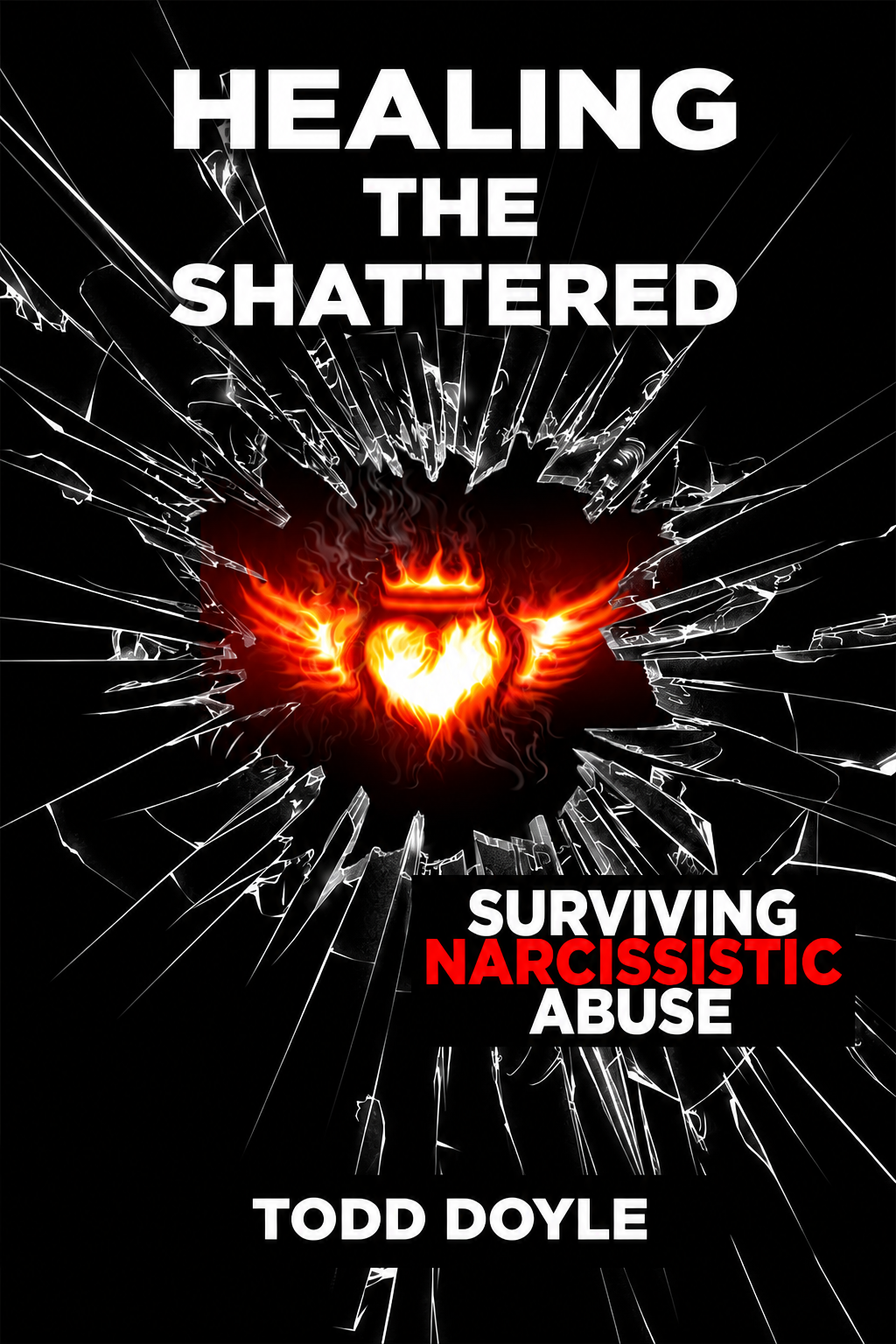
By Todd Doyle, author of Healing the Shattered: Surviving Narcissistic Abuse
Hoovering is a term used to describe an attempt to pull a former partner back into contact after a breakup or period of no contact, often with intense apologies, promises, or appeals to shared history. The name comes from the vacuum brand, a reference to how these attempts try to “suck” a former partner back in.
What It Can Look Like
A sudden apology after months of silence. A claim of having changed. A crisis that seems to require your help. A reminder of good memories, timed right when you were starting to feel steady without them. Renewed contact is not automatically hoovering, but a pattern of contact that spikes specifically when you have gained distance is worth examining.
Common Timing Patterns
Hoovering attempts often cluster around specific moments: right after you’ve started dating someone new, around a holiday or anniversary, or shortly after you’ve appeared to be doing noticeably well, a new job, a visible milestone. That timing, responding to your progress rather than to anything new on their end, is itself a meaningful signal about what’s actually motivating the contact.
Assessing It Without Assuming the Worst
Not every attempt to reconnect is manipulative; people do sometimes genuinely want to make amends. A few honest questions can help: Has real, sustained change been visible over time, not just claimed in the message itself? Is there an actual account of what they would do differently, or just an appeal to how you felt about them? Does the timing track with your own progress, or with something going on in their life?
What Can Help
Deciding in advance how you will respond to contact, before it happens, can keep you from making a decision purely on the emotional pull of the moment. Having a single, prepared response ready, even just “I’m not going to respond to this,” can reduce the pressure to craft something in the moment while the pull is strongest. A trusted friend or therapist can help you think it through from outside the pull of the relationship.
See Setting Boundaries After Narcissistic Abuse for how to decide what you will do if contact happens.
This article provides general education and a survivor’s perspective. It does not diagnose another person or replace individualized mental health care or safety planning.



 Buy Paperback on Amazon
 Buy Signed Copy • PayPal