

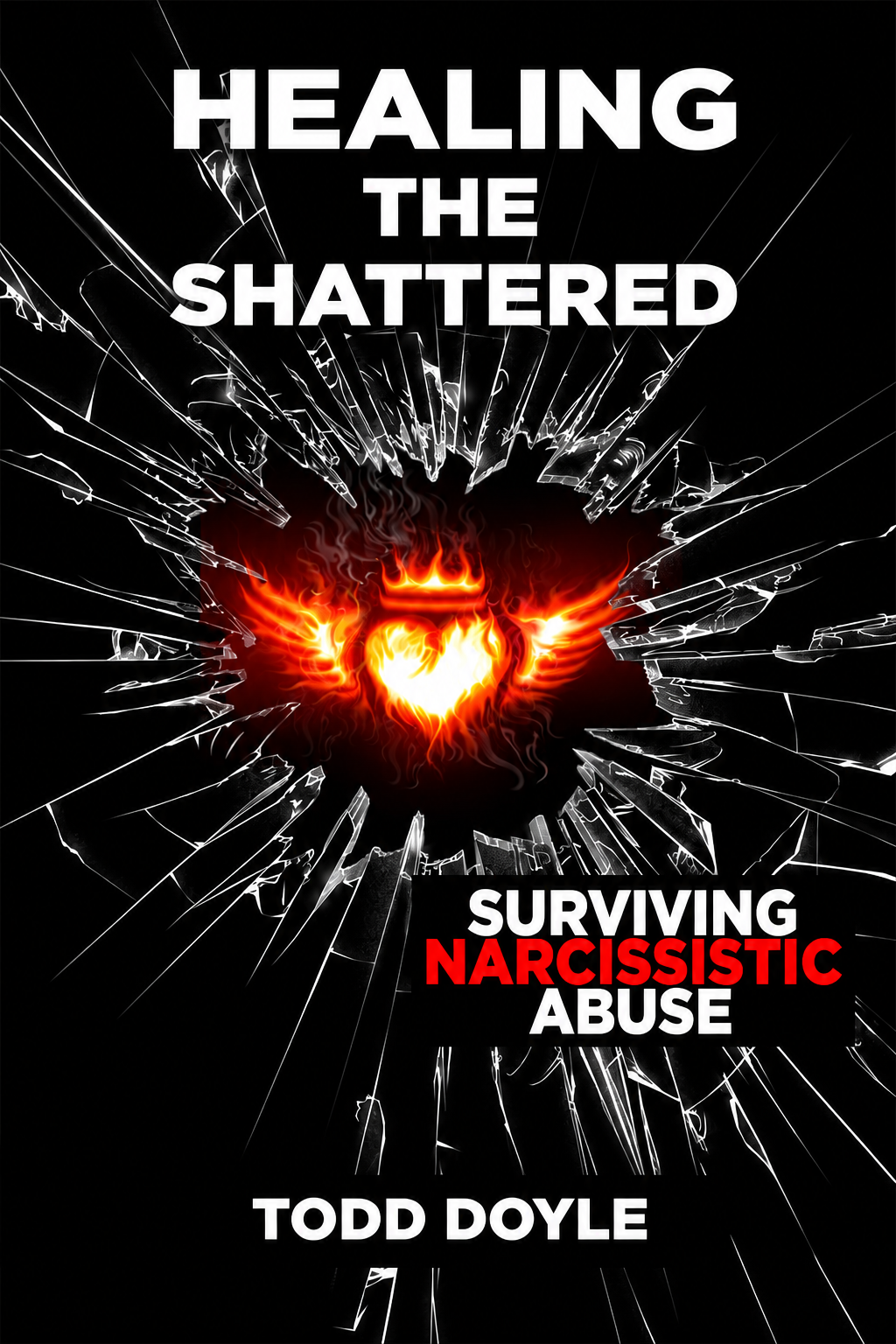
By Todd Doyle, author of Healing the Shattered: Surviving Narcissistic Abuse
Discard is an abrupt, often unexplained end to a relationship: the other person withdraws suddenly, ends things with no real explanation, or simply disappears. For some relationships this follows a period of devaluation; for others it can come with little obvious warning. Either way, the immediate aftermath tends to share a specific kind of pain: confusion without answers.
What Discard Often Looks Like
- A sudden end with no real explanation, or an explanation that does not match what actually happened.
- Being blamed for the relationship ending, even when you do not believe that is accurate.
- Your feelings about the end being dismissed or mocked rather than acknowledged.
- The person moving on, sometimes very quickly, to someone or something else.
Why the Unanswered Questions Are So Hard
Most breakups come with some kind of explanation, even an unsatisfying one. Discard often does not. Without an explanation, it is natural to generate your own, and the explanation people reach for most often is self-blame: concluding you were not good enough, or that you caused it. That conclusion fills the gap where an honest answer should have been. It is not evidence that it is true.
In the Immediate Aftermath
You do not need a full explanation from the other person to start processing what happened. Writing down the facts of what actually occurred, as plainly as you can, separate from the story you are telling yourself about why, can help. So can naming the loss as real, even if the relationship was unhealthy. Grief does not require the relationship to have been good.
If you find yourself waiting for the person to come back and explain, it may help to decide in advance what you will do if they do reach out again, rather than deciding it in the moment.
Getting Support
A therapist, a support group, or trusted friends and family can help you process the loss without needing the other person’s cooperation or explanation to do it. Remember that the end of the relationship, however it happened, is not proof of your worth.
This article provides general education and a survivor’s perspective. It does not diagnose another person or replace individualized mental health care or safety planning.

 Buy Paperback on Amazon
 Buy Signed Copy • PayPal