

It’s common, and genuinely disorienting, to find even small decisions difficult after a controlling relationship: what to eat, what to wear, how to spend a free evening. If someone else’s preferences quietly ran your daily life for a long time, your own decision-making muscle can feel out of practice, not gone, just unused.
Start With Genuinely Low-Stakes Choices
Pick decisions where there’s no meaningfully wrong answer: what to make for dinner, which show to watch, whether to take a different route somewhere. The goal isn’t the decision itself, it’s practicing the feeling of choosing without checking it against anyone else’s preference first. Deliberately practicing on choices that genuinely don’t matter takes the pressure off, since there’s no way to get them “wrong.”
Notice the Urge to Ask Permission
If you catch yourself mentally drafting an explanation for a choice no one asked you to justify, that’s worth noticing without judgment. It’s a leftover habit, not a sign anything is wrong with you. The same goes for scanning a room for cues about what you’re “supposed” to choose before answering a simple question like what you’d like for dinner.
Let Some Decisions Be Reversible
Choosing something and realizing later you’d have chosen differently isn’t failure, it’s normal decision-making that happens to everyone. Treating early choices as safe to get “wrong” takes pressure off every single one feeling high-stakes. It can help to say this to yourself directly: “I can always choose differently next time,” as a way to lower the stakes of any one decision.
When a Decision Still Feels Frozen
Sometimes, even a small decision triggers a genuine freeze, not just hesitation, but a real inability to choose at all. If that happens, it can help to narrow the choice artificially: instead of “what do I want for dinner,” try “do I want option A or option B,” picking between two concrete things rather than facing an open-ended question. Over time, open-ended decisions tend to get easier as this skill rebuilds.
Build Up Gradually
As smaller decisions start to feel more natural, the larger ones, where to live, what work to pursue, who to spend time with, tend to feel less overwhelming too, simply because the underlying skill has had practice. There’s no fixed timeline for this, and no wrong pace to build it back at.
For the broader picture, see Rebuilding Life After Emotional Abuse.
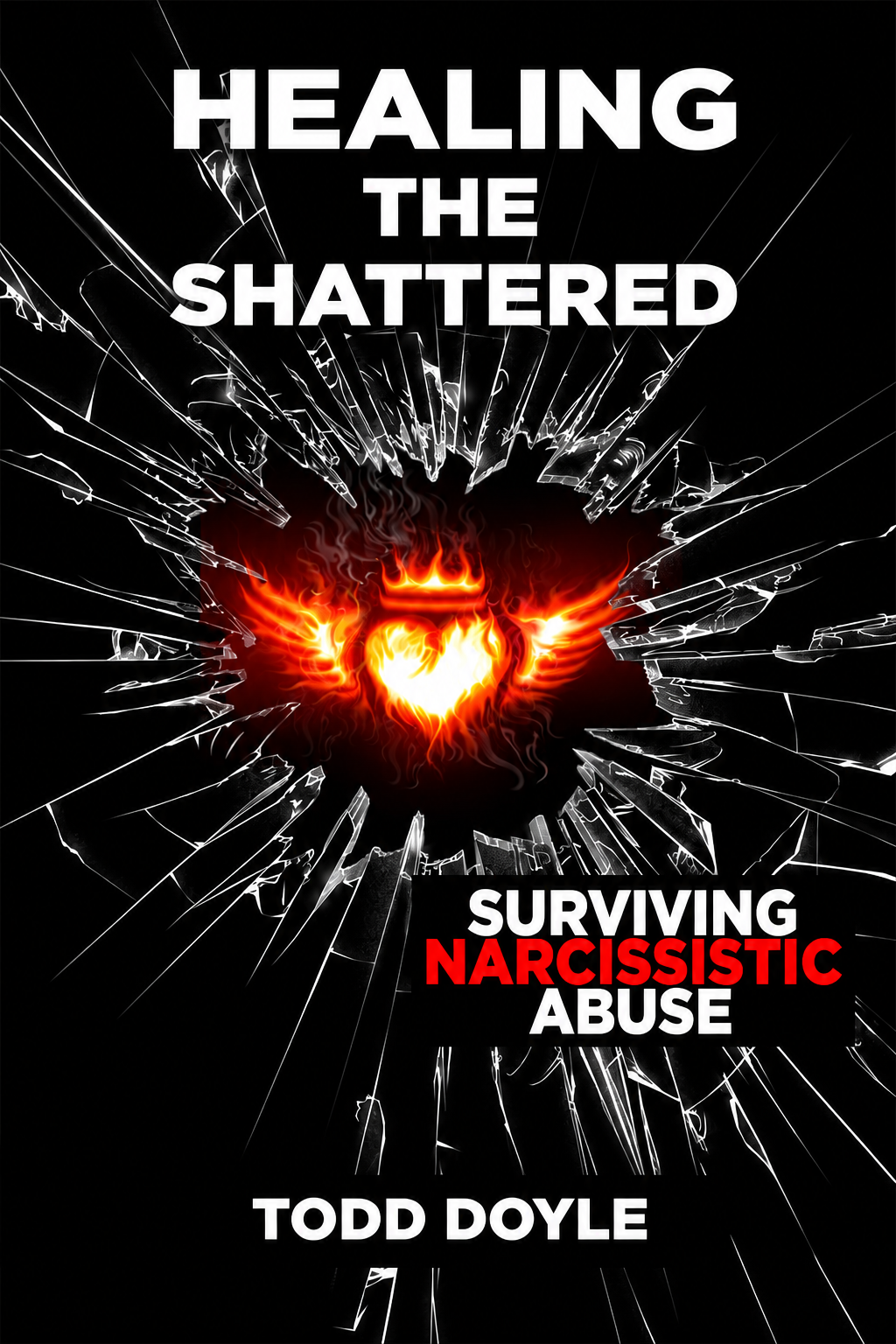
 Buy Paperback on Amazon
 Buy Signed Copy • PayPal