
Emotional recovery and rebuilding your actual daily life are related, but they’re not the same project. You can be doing real inner healing work and still be facing a genuinely practical question: what does an ordinary Tuesday look like now, and how do you build one that’s yours.
Relationships
Some relationships narrowed or went quiet during the abusive one, sometimes because of active isolation, sometimes because there wasn’t energy left for anything beyond getting through the day. Reconnecting doesn’t have to happen all at once, and it doesn’t require every old friendship to pick back up exactly where it left off. See Reconnecting With Friends After an Isolating Relationship for where to start.
Routines
Daily structure, what you eat, when you sleep, how your time is organized, often reorganized itself around someone else’s preferences without you fully noticing. Rebuilding routines is partly practical and partly a quiet way of reclaiming everyday decision-making that may have atrophied.
Independence
Independence here isn’t only financial, though that can be part of it. It includes the smaller, less obvious kind: trusting your own plans, making choices without needing to anticipate someone else’s reaction first, and getting comfortable with a life that doesn’t need anyone’s approval to be valid.
Related Reading in This Series
- Reconnecting With Friends After an Isolating Relationship
- Choosing a Therapist After Emotional Abuse
- Finding a Support Group After Abuse
- Dating After Narcissistic Abuse
- Healthy Relationship Green Flags
- Receiving Feedback After Abuse
- People-Pleasing After Abuse
- Privacy vs. Isolation During Recovery
- Rebuilding Everyday Decision-Making After a Controlling Relationship
There’s no fixed order to rebuild these in, and no deadline for finishing. For the emotional side of this work, see Healing After Narcissistic Abuse: A Practical Recovery Guide.
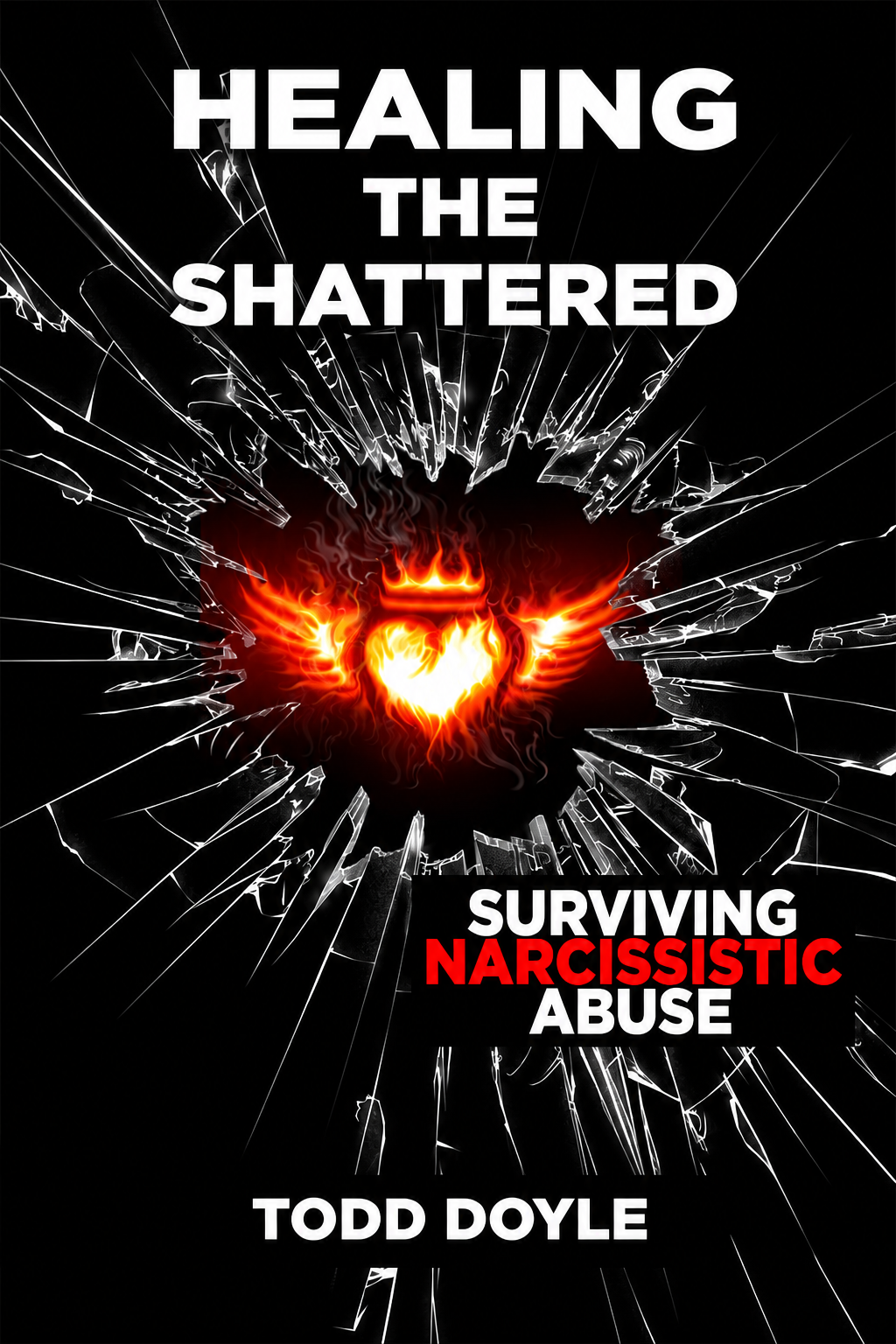

 Buy Paperback on Amazon
 Buy Signed Copy • PayPal