
Shame tends to show up differently than grief or guilt after an abusive relationship, and it’s worth naming the difference, because each one calls for something different.
Shame, Guilt, and Grief Aren’t the Same Thing
Guilt is the belief that you did something wrong. Grief is the experience of loss. Shame is different from both: it’s the belief that something is wrong with who you are, not just with something you did or something you lost. It’s possible to feel all three after abuse, often tangled together, but shame is usually the one that lingers longest and is hardest to name directly.
Why Abuse Tends to Produce Shame
Being treated badly, repeatedly, by someone who mattered to you can leave a lasting sense that you must have deserved it, invited it, or been too much or not enough to prevent it. None of that reflects what actually happened. The treatment reflects the other person’s behavior and choices. It does not reflect something broken in you, even though shame insists otherwise.
A Few Ways to Start Separating the Two
- Name it as shame specifically, out loud or in writing, rather than letting it stay a vague, formless bad feeling
- Ask whose voice it sounds like. Shame after abuse often echoes something the abusive partner said or implied, rather than being an original thought of your own
- Separate the event from the identity. “This happened to me” and “something is wrong with me” are different sentences, even when they arrive together
- Talk to someone who knew you before, or who can reflect back a version of you that existed outside the relationship’s influence
Shame tends to lose some of its grip once it’s named and separated from identity, even if it doesn’t disappear all at once. For the broader recovery picture, see Healing After Narcissistic Abuse: A Practical Recovery Guide.
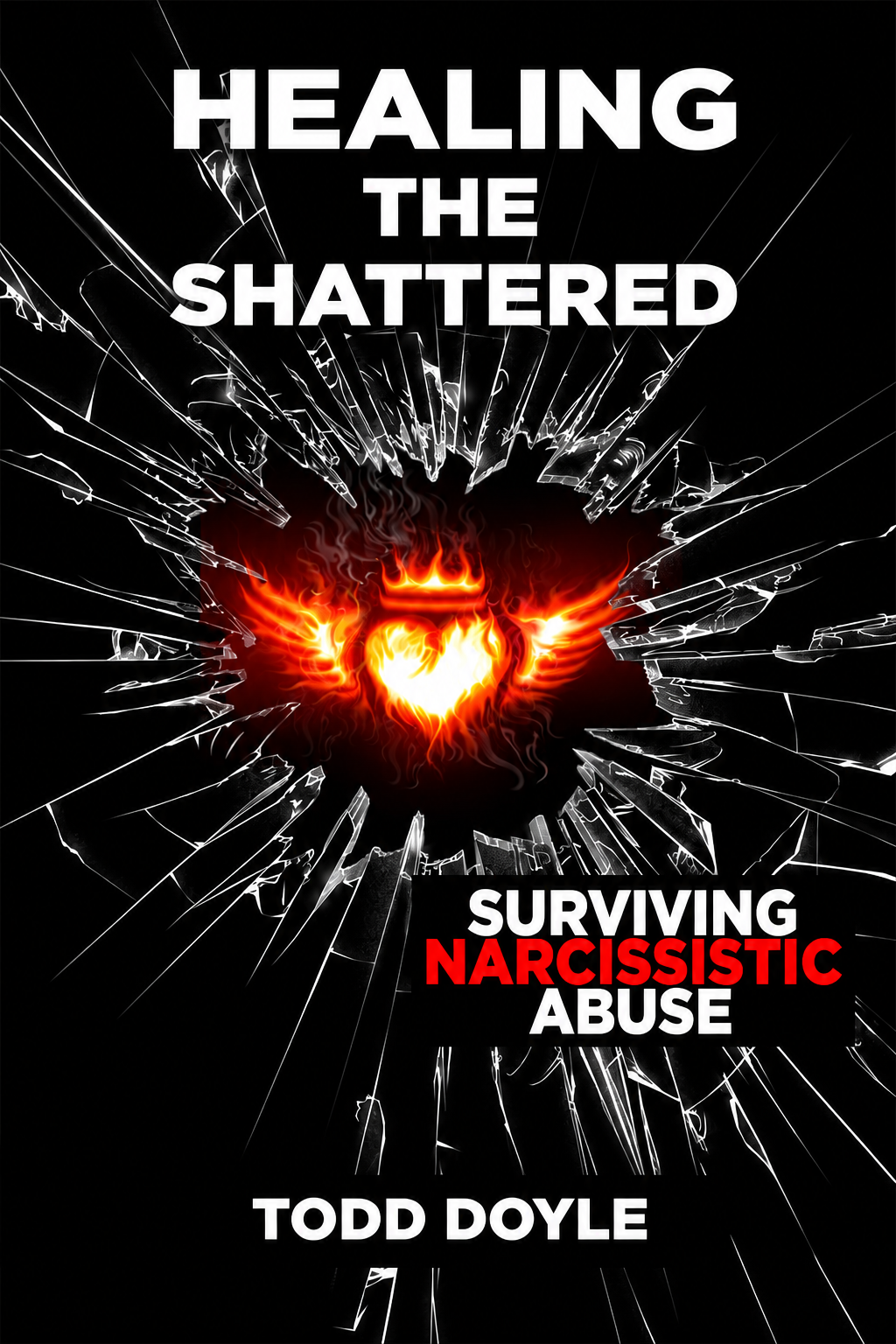
 Buy Paperback on Amazon
 Buy Signed Copy • PayPal