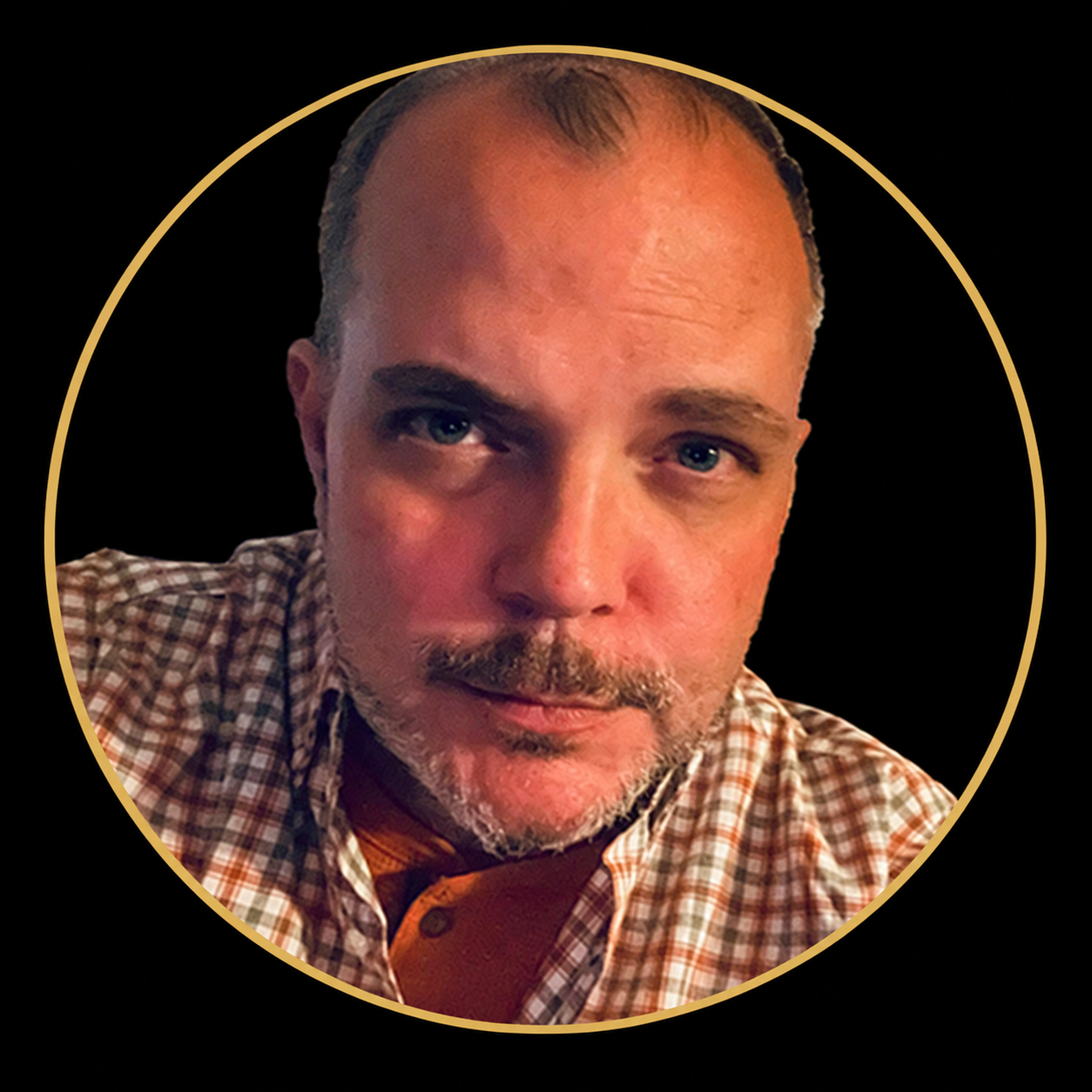

By Todd Doyle, author of Healing the Shattered: Surviving Narcissistic Abuse
I write from my own experience as a survivor of narcissistic abuse, and from what I learned writing Healing the Shattered: Surviving Narcissistic Abuse. That perspective is real and, I hope, useful. It is also limited, and it matters to be clear about where those limits are.
What I Can Speak To
I can describe what it felt like to live inside a pattern of manipulation and control, what it took to recognize it, and what helped me rebuild afterward. I can share the practical steps, boundaries, support, self-trust, that mattered in my own recovery. That is firsthand experience, not a professional credential, and I try to present it as exactly that.
What Requires a Professional
Diagnosing a mental health condition, in you or in someone else, is not something a survivor’s account or a website article can do. Neither can individualized safety planning for a dangerous situation, legal advice about custody or separation, or treatment for trauma, depression, or anxiety. Those require a licensed professional who knows your specific circumstances.
Why I Draw This Line
Survivor perspective and clinical expertise answer different questions. Mine can tell you that you are not alone and that what you are describing sounds like a real pattern, not a personal failing. It cannot tell you what is clinically true about another specific person, or what is legally or medically right for your specific situation. Both kinds of support have a place; confusing them helps no one.
If you are working through your own experience, see What Is Narcissistic Abuse? Patterns, Effects, and Getting Support as a starting point, and reach out to a qualified professional for anything that needs one.
This article provides general education and a survivor’s perspective. It does not diagnose another person or replace individualized mental health care or safety planning.
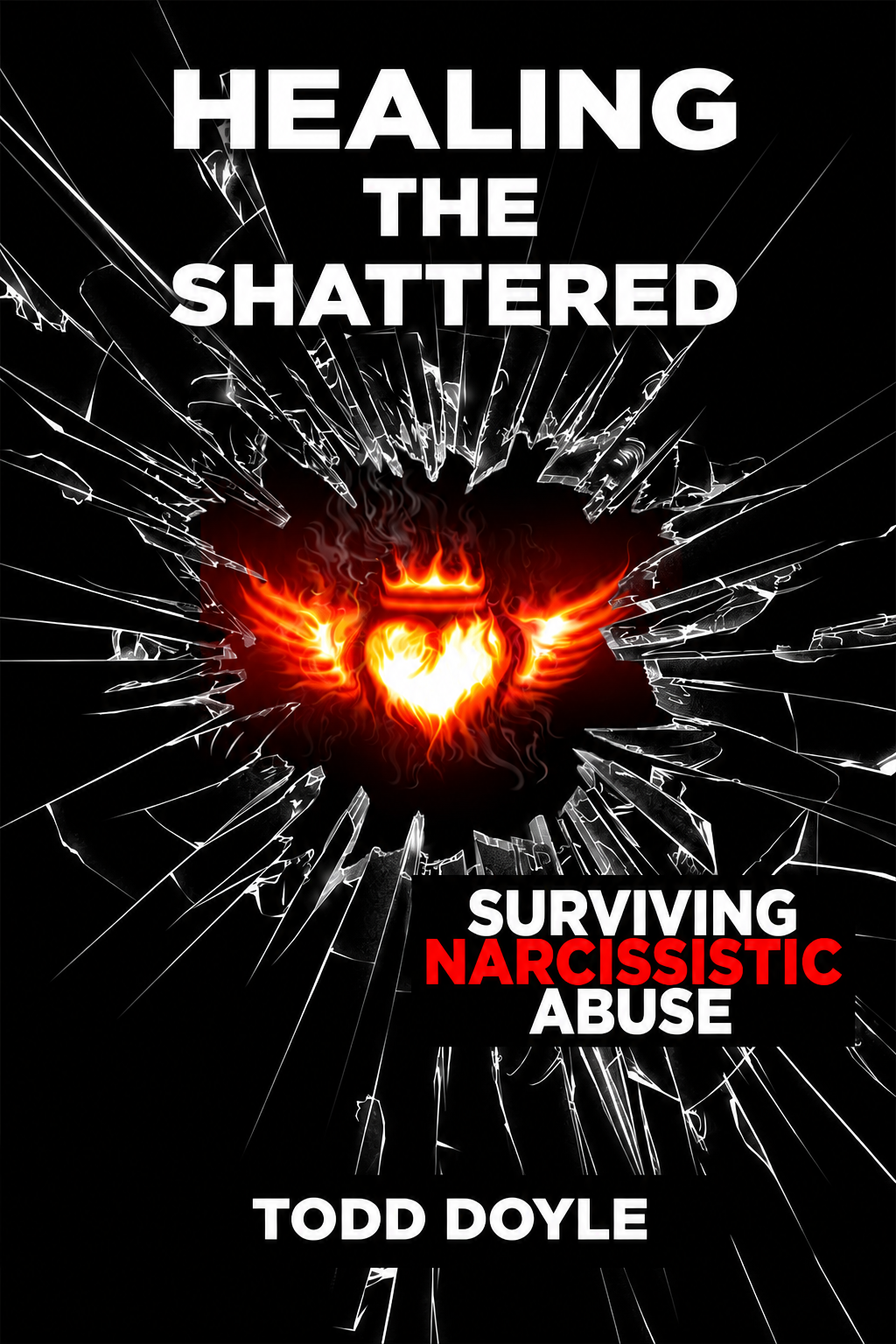



 Buy Paperback on Amazon
 Buy Signed Copy • PayPal