

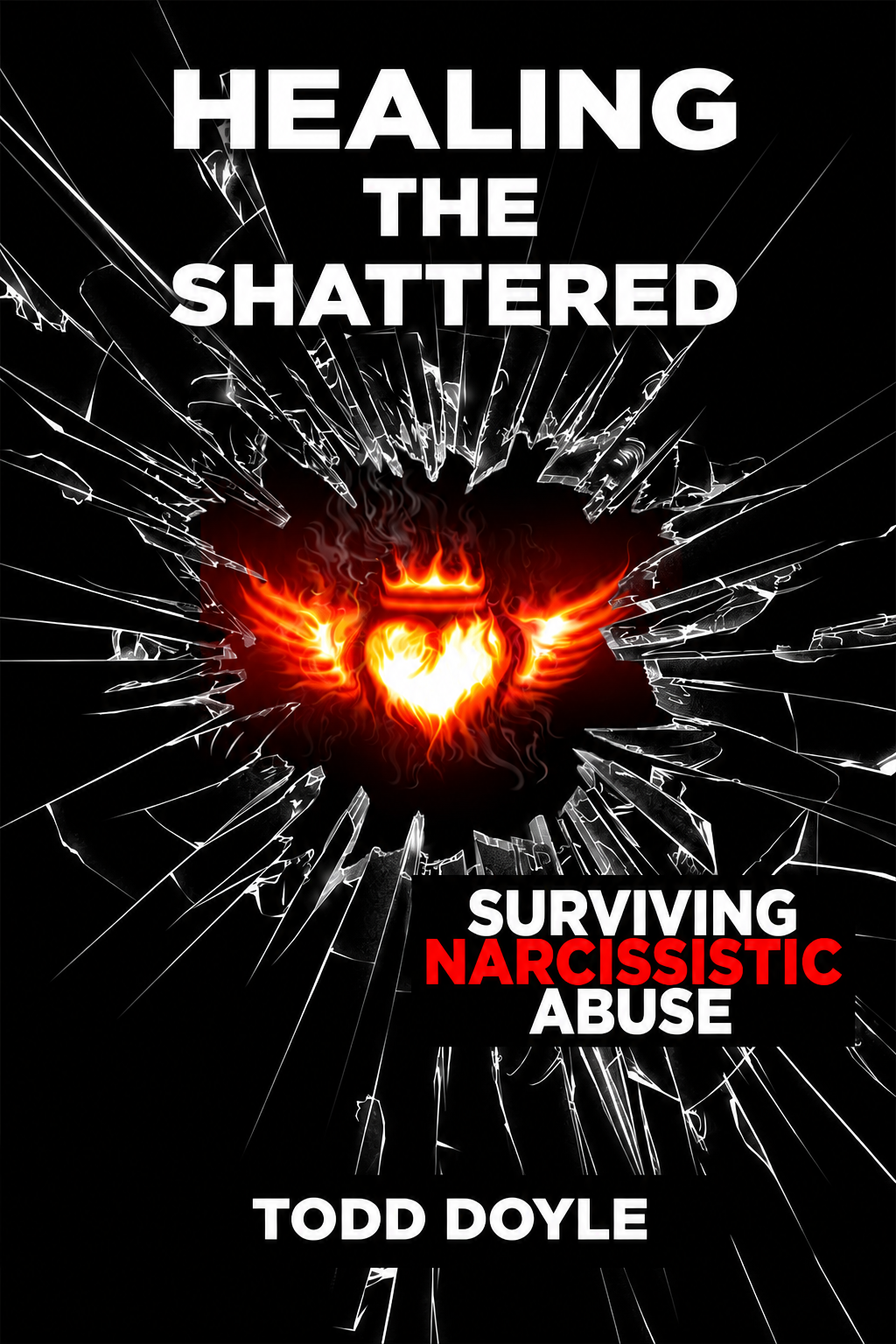
By Todd Doyle, author of Healing the Shattered: Surviving Narcissistic Abuse
The urge to reach out to someone who hurt you can arrive suddenly, often at a vulnerable moment, late at night, after a hard day, around an anniversary or holiday. Having a plan for that specific moment, decided before it happens, can matter more than willpower in the moment itself.
Why Planning Ahead Helps
In the moment, the urge can feel urgent and overwhelming, and decisions made under that feeling often do not reflect what you actually want once it passes. A plan made in advance, when you are calmer, gives you something to follow instead of deciding from scratch while the urge is strongest. This is the same basic principle behind any safety plan: decide the structure before the pressure hits, not during it.
A Simple Plan to Consider
- Choose one person you can text or call the moment the urge hits, before you act on it.
- Decide on a waiting period, even just a few hours, before sending anything.
- Have something specific to do in that window: a walk, a call, writing down what you actually want to say and rereading it later.
- If you’ve written down why contact isn’t a good idea right now, in a calmer moment, keep it somewhere you’ll actually see it in the moment, a notes app, a letter to yourself, rather than relying on memory alone.
Common Triggers Worth Anticipating
Certain moments tend to raise this urge more than others: anniversaries, holidays, seeing something that reminds you of them, hearing a specific song, or simply a stretch of loneliness or stress unrelated to the relationship at all. Anticipating these ahead of time, rather than being caught off guard by them, is part of what makes the plan actually usable when the moment arrives.
Necessary Contact Is Different
This is about the pull to reach out when there’s no practical need to. If you share children, legal proceedings, or other genuinely necessary contact, that’s a different situation covered by Keeping Parenting Messages Focused on Logistics and No Contact vs. Low Contact, not a reason to abandon a no-contact plan around unnecessary reach-outs.
If You Do Reach Out
If you have decided to reach out anyway, that is your decision to make, and it does not erase the progress you have made. A plan is not about never giving in. It is about making the choice intentionally rather than reflexively.
See Setting Boundaries After Narcissistic Abuse for related planning around contact.
This article provides general education and a survivor’s perspective. It does not diagnose another person or replace individualized mental health care or safety planning.



 Buy Paperback on Amazon
 Buy Signed Copy • PayPal