

Writing about an abusive relationship, whether in a private journal or something you eventually share, can be a genuinely useful part of processing what happened. It doesn’t require an audience, and it doesn’t require sharing anything you’re not ready to share.
Writing Privately, for Yourself Only
A journal that no one else will ever read removes the pressure of how it sounds, whether it’s accurate, or whether it’s “enough.” Writing to get something out of your head and onto a page can be worthwhile entirely on its own, with no further purpose required.
If You’re Considering Sharing It
Deciding to write something for others to read, a blog post, a social media share, eventually even a book, is a separate decision from writing privately, and it’s worth making deliberately rather than by default. A few questions worth asking first:
- Am I comfortable with this being permanent and public, including to people I know?
- Does this involve details about other people, children, family, that I have the right to share?
- Am I writing from a place where I can tolerate reactions I don’t control, including silence?
You Can Share Selectively
You’re allowed to write about the parts that feel useful to share and leave out the rest, permanently. A complete, honest account of what happened to you doesn’t require making every detail public. Privacy and honesty aren’t in conflict here.
It Doesn’t Have to Be a Cure
Writing can genuinely help, but it isn’t a substitute for other support if you need it, like therapy or a support group. It’s one tool among several, not a replacement for any of them.
For the broader recovery picture, see Healing After Narcissistic Abuse: A Practical Recovery Guide.
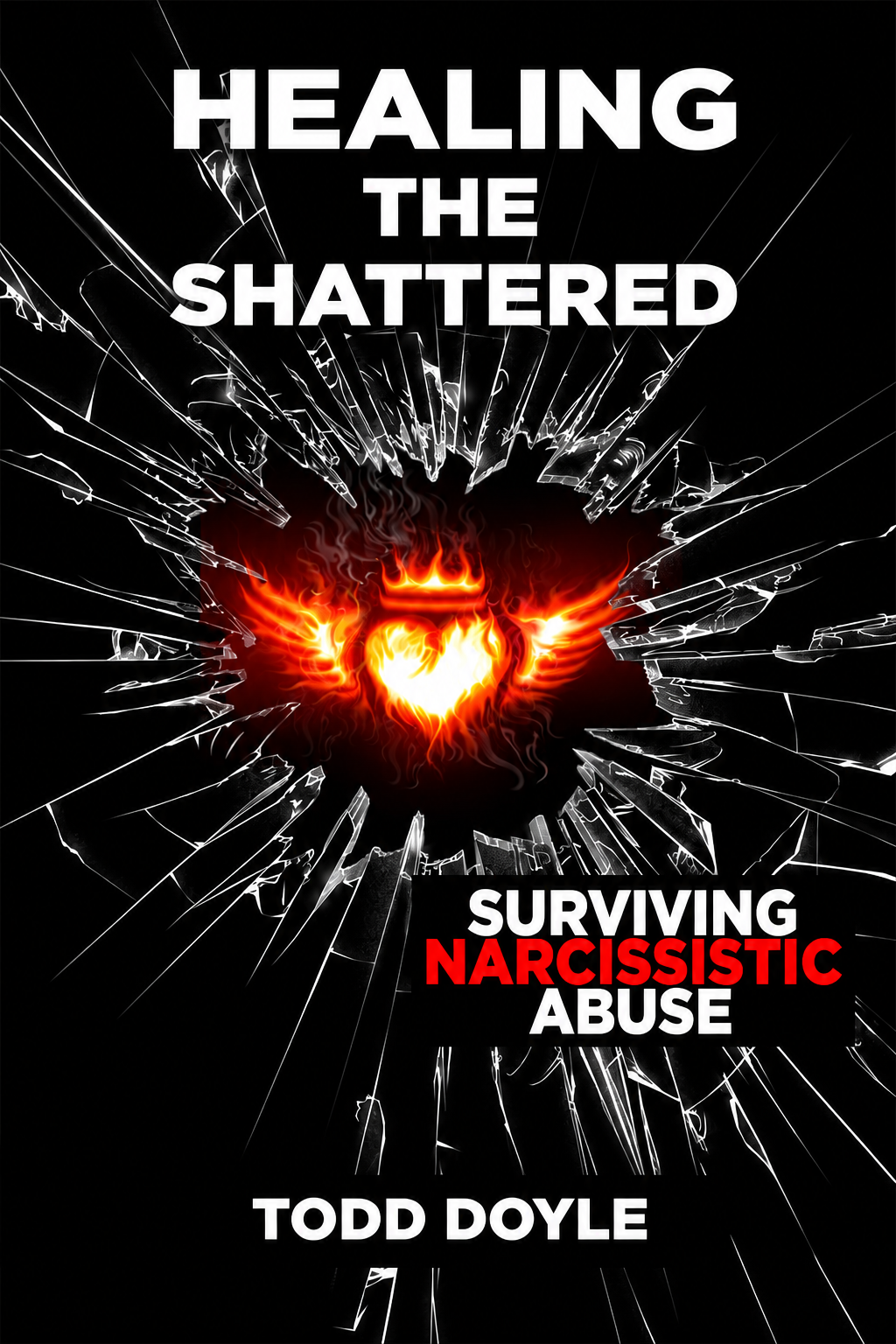

 Buy Paperback on Amazon
 Buy Signed Copy • PayPal