

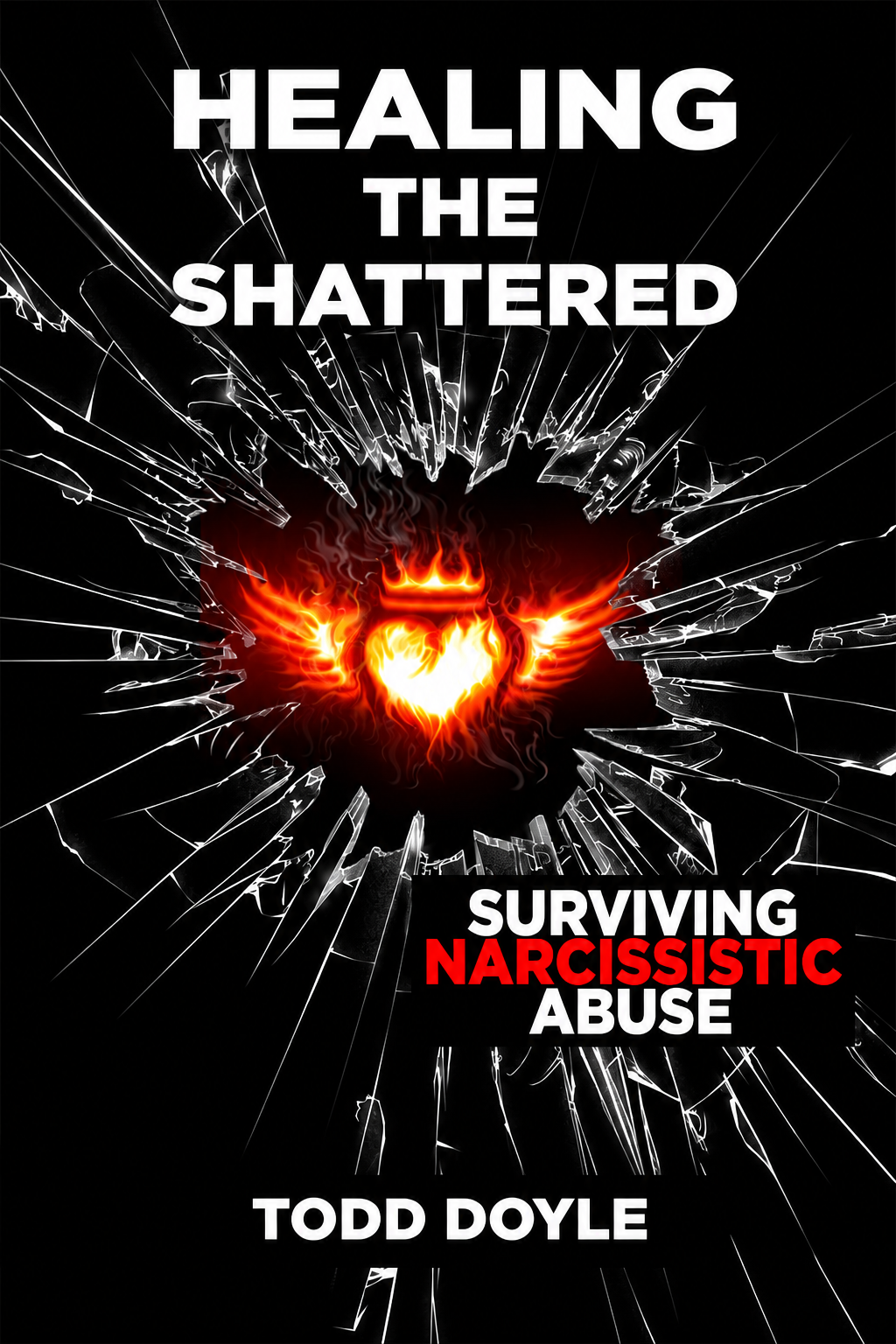
By Todd Doyle, author of Healing the Shattered: Surviving Narcissistic Abuse
Returning to an abusive relationship, once or multiple times, is common, and it does not mean someone failed, was naive, or did not try hard enough to leave. Real emotional and practical barriers make leaving, and staying away, much harder than “just leave” suggests.
Emotional Barriers
Trauma bonding, hope that the person will change, grief over the relationship and the future that was expected, and fear of being alone can all pull someone back, even when they know intellectually that returning carries real risk. A partner’s response to a departure, an apparent change, a period of effort or remorse, can also genuinely complicate the decision, even when that change doesn’t hold once the relationship resumes.
Practical Barriers
Housing, finances, shared children, immigration status, and social or religious community can all make leaving materially difficult, sometimes more difficult than the emotional pull itself. These barriers are often invisible to people outside the relationship, which is part of why “just leave” can land as dismissive even when it’s well-intentioned; it treats an often genuinely complex logistical problem as if it were a simple choice.
Why Leaving Multiple Times Is So Common
Research on domestic violence consistently shows that leaving an abusive relationship for good is typically a process, not a single event, often involving several attempts before a final separation. This isn’t a sign of weak resolve; it reflects how much has to line up, safety, housing, finances, support, before a departure actually sticks, and how powerfully the emotional and practical pulls described above can work against even a genuinely firm decision to go.
What This Means
If you have returned to a relationship you had previously left, that does not erase the clarity you had when you left, and it does not mean you cannot leave again, or get support that makes it more sustainable the next time. Each attempt, even one that didn’t hold, often leaves you with more clarity and more practical groundwork than you had before it.
See Setting Boundaries After Narcissistic Abuse for help planning next steps, and Safety Planning in an Abusive Relationship for support building a plan that accounts for these specific barriers.
This article provides general education and a survivor’s perspective. It does not diagnose another person or replace individualized mental health care or safety planning.


 Buy Paperback on Amazon
 Buy Signed Copy • PayPal