

By Todd Doyle, author of Healing the Shattered: Surviving Narcissistic Abuse
Time boundaries govern when you’re available—for calls, texts, visits, and decisions made on someone else’s schedule. In a relationship with a pattern of pressure, your time can start to feel like it belongs to the other person by default, with any block of it you reclaim treated as a problem that needs explaining.
This article looks at what a time boundary covers and why immediate-response expectations are often less about urgency and more about control.
What counts as a time boundary
- Not answering calls or texts after a certain hour.
- Taking time to think before responding to a demand for an immediate answer.
- Declining to drop existing plans because someone else wants attention right now.
- Having periods—work hours, time with friends, sleep—that are not available for relationship conversations.
A time boundary doesn’t mean you’re unavailable to the relationship. It means your availability has limits, the same way it would with any other relationship in your life.
Why “urgent” often isn’t
Late-night calls, repeated texts until you respond, and accusations of not caring if you don’t answer immediately all share something in common: they frame your response time as evidence of your feelings, rather than as a practical scheduling question. Genuine emergencies are rare. A pattern of manufactured urgency—where every message requires an instant reply or risks an argument—is more often a method of keeping you reactive than a sign something is actually wrong.
One useful test: does the “urgency” only appear when you have your own plans, your own rest, or your own attention somewhere else? If the timing of the urgency tracks your independence rather than an actual event, that’s worth noticing.
Late-night calls and pressure to respond
Calls or messages that arrive specifically late at night, when you’re least equipped to engage clearly, are a recognizable pattern. Fatigue lowers your ability to hold a boundary, which is part of why this timing is effective at producing a quick concession rather than a thought-out response.
A time boundary here might be: “I’m not available for relationship conversations after 10pm. I’ll respond in the morning.” That’s a decision about your own availability, not a request that the other person never contact you at night for any reason.
A possible boundary, when safe
“I turn my phone on silent at night and respond to messages during the day.” “I need a few hours before I respond to big questions—I’m not going to make decisions on the spot.” Both describe your own practice, not a rule you’re imposing on someone else’s behavior. For more on that structure, see Setting Boundaries After Narcissistic Abuse.
If a pattern of late-night contact includes threats, self-harm statements used to force a response, or repeated contact after you’ve asked it to stop, that moves beyond a time-boundary issue, and a domestic violence advocate can help you think through safer options.
Common questions
What if they say waiting to respond is the same as ignoring them?
A delayed response and being ignored are different things. You can tell them you’ll respond later and then actually do so—consistency is what demonstrates the difference over time.
Is it reasonable to want quick responses from a partner?
Wanting timely communication isn’t unreasonable on its own. The concern is a pattern where any delay—regardless of your circumstances—is treated as a punishable offense.
What if I feel guilty taking time before I respond?
That guilt is common, especially if quick responses were previously required to avoid conflict. See Feeling Guilty After Setting a Boundary for more on working through it.
A larger pattern worth understanding
Protecting your own time is rarely about the clock — it’s about who gets to decide how you spend it.
Your time is one of the most basic things you have to protect—learning where that boundary belongs is part of a larger process of reclaiming your life.
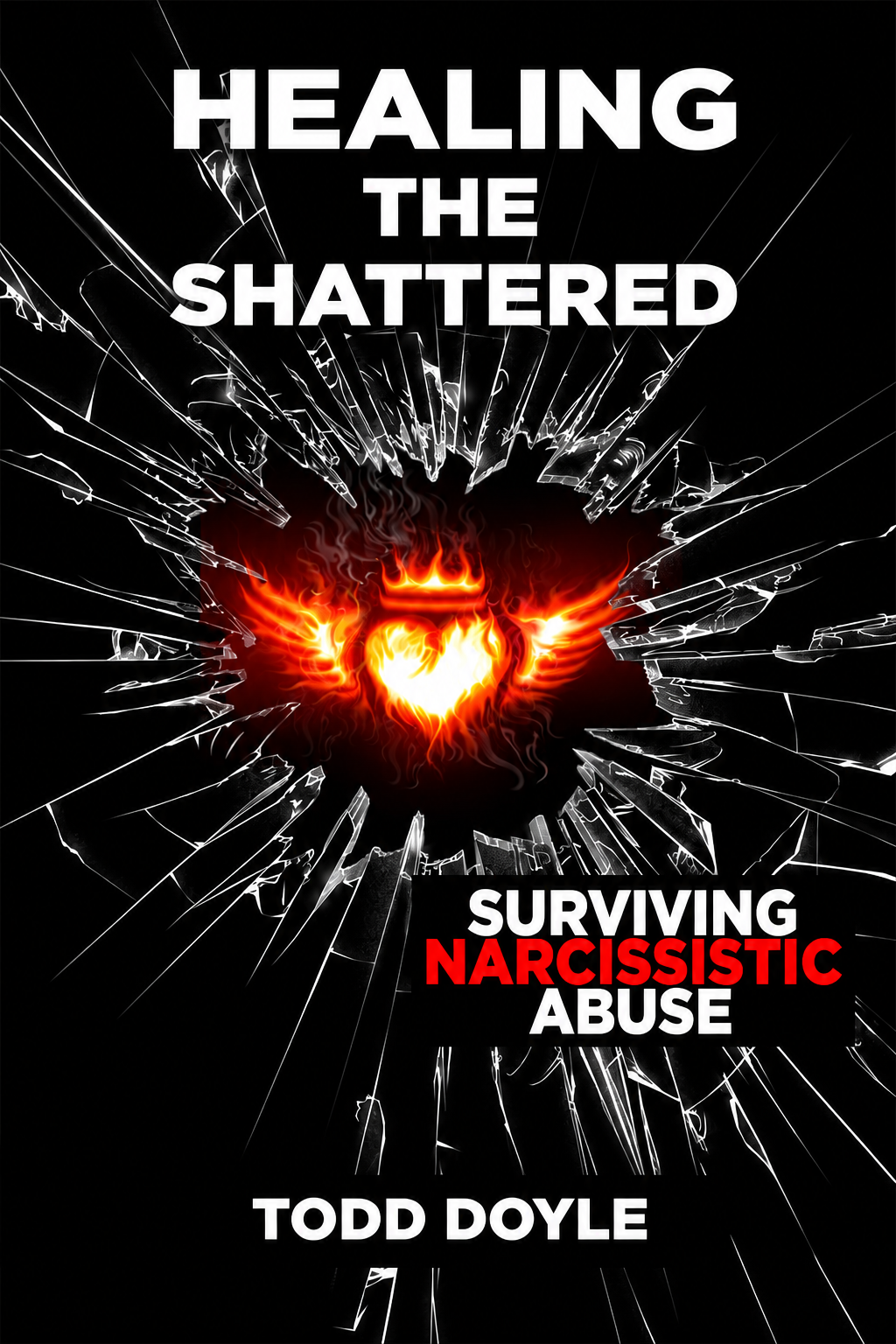
These patterns, and how to respond to them without guilt, are part of what I cover in Healing the Shattered: Surviving Narcissistic Abuse, along with my own survivor story and DSM-5 coverage of narcissistic personality disorder. The book is available through Amazon, or as a signed copy ordered directly from me.
This article offers general education from a survivor’s point of view. It does not diagnose another person and isn’t a substitute for professional mental health support.

 Buy Paperback on Amazon
 Buy Signed Copy • PayPal